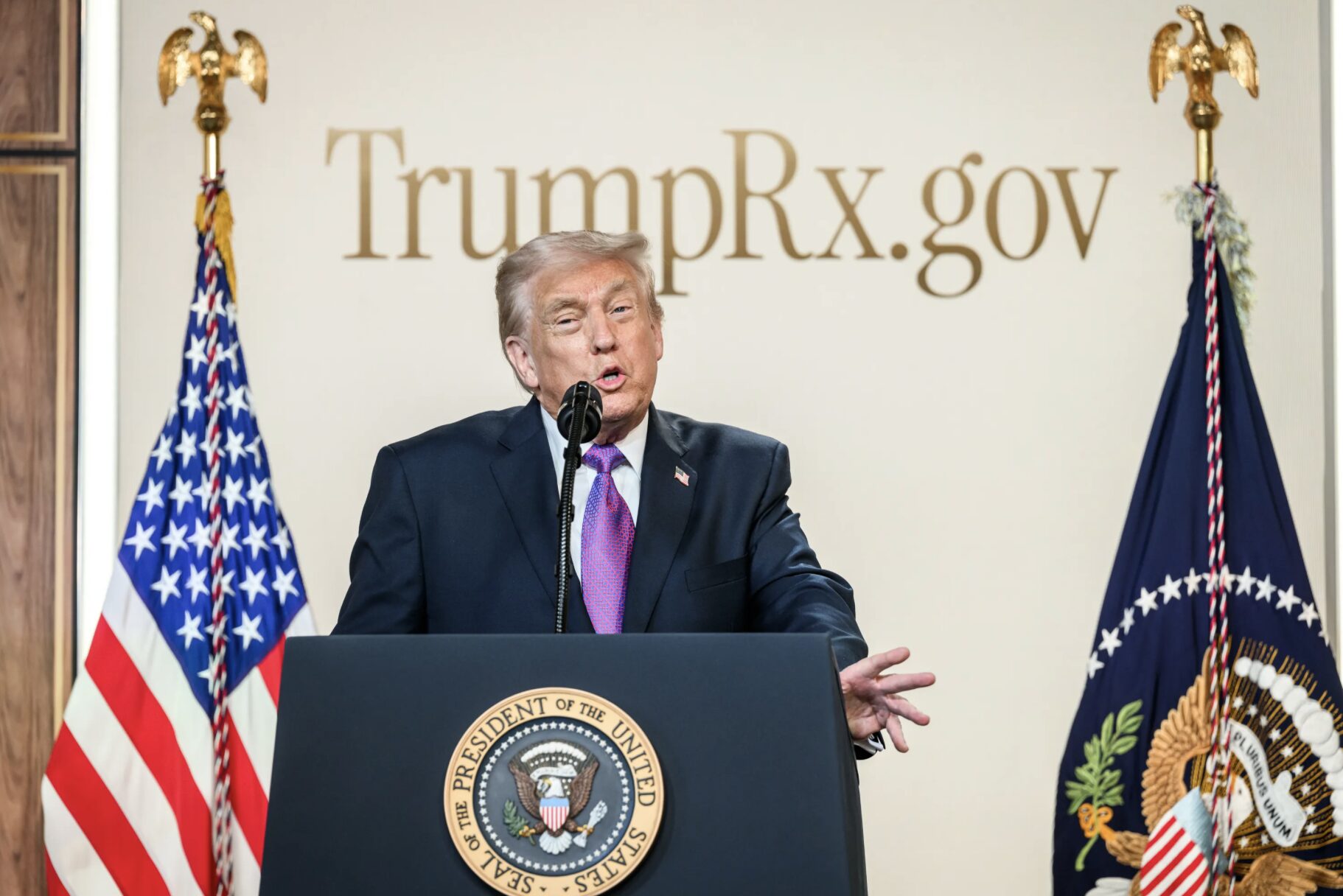
- White House says move will cut vehicle costs and save more than 1 trillion dollars.
- Environmental groups warn of higher fuel costs and health impacts.
- Legal battle expected to test federal climate authority in Supreme Court.
US President Donald Trump has overturned the 2009 climate endangerment finding introduced under Barack Obama, a decision that has underpinned federal regulation of greenhouse gas emissions for more than a decade.
The ruling by the Environmental Protection Agency (EPA) determined that six greenhouse gases, including carbon dioxide and methane, pose a threat to public health. It became the legal foundation for emissions standards covering vehicles, power plants, oil and gas operations, landfills and aviation.
The White House described the reversal as the largest deregulation in American history. Officials argue it will reduce compliance costs for automakers by about 2400 dollars per vehicle and deliver more than 1 trillion dollars in broader economic savings. The administration says the move will lower vehicle prices and reduce energy costs.
President Trump called the 2009 finding a damaging policy that raised costs for consumers and weakened the US auto sector. In response, former President Obama warned that repealing the rule would undermine public health and climate resilience.
Environmental groups strongly dispute the projected savings. The Environmental Defense Fund estimates the rollback could increase fuel spending by 1.4 trillion dollars due to lower vehicle efficiency, alongside tens of thousands of additional premature deaths and millions of asthma cases.
Legal experts expect immediate court challenges from states and non profit organisations. Observers suggest the administration may ultimately seek a ruling from the US Supreme Court to permanently redefine federal authority over greenhouse gas regulation.
The decision creates uncertainty for US automakers, particularly in export markets where emissions standards remain stringent. For global energy and mobility markets, the policy shift signals a significant change in US climate governance with potential implications for trade, investment and regulatory alignment.
Author: Bryan Groenendaal