- The new approach improves detection accuracy of cyberattacks on smart meter data.
- The method outperforms conventional techniques under single and multi-node attacks.
A new study titled ‘Securing the green grid: A data anomaly detection method for mitigating cyberattacks on smart meter measurements’, has introduced an advanced data anomaly detection method designed to protect smart meter measurements from cyberattacks, addressing a growing risk in modern power grids.
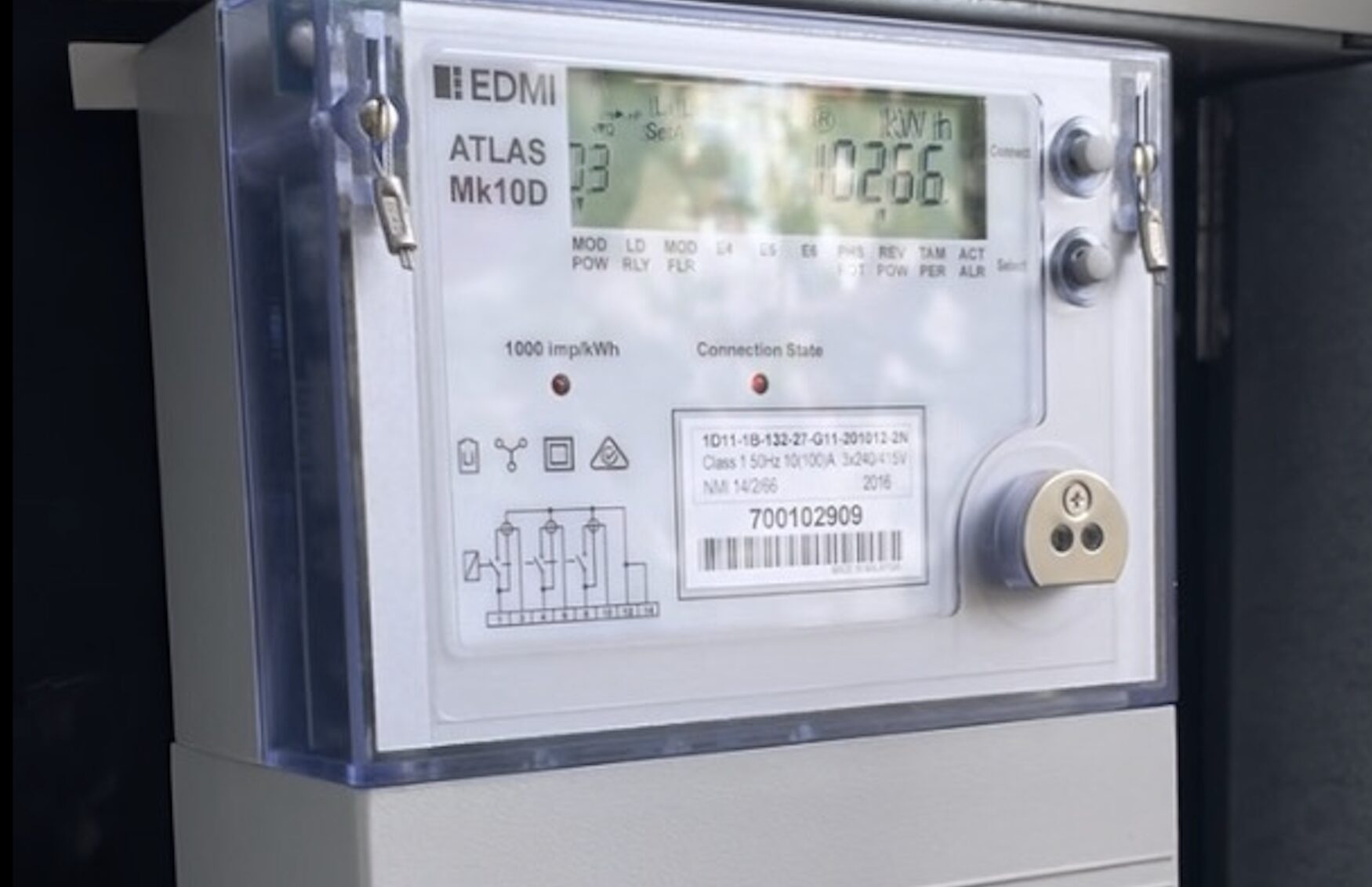
Smart meters are a core component of advanced metering infrastructure, enabling utilities to remotely monitor and manage electricity consumption while supporting the transition to greener energy systems. However, the rapid deployment of millions of these devices is also expanding the attack surface for cyber threats.
Cyberattacks targeting smart meter systems can lead to inaccurate billing, energy theft, service disruptions, privacy breaches and wider network vulnerabilities. As a result, utilities and grid operators are under increasing pressure to strengthen cybersecurity frameworks across digitalised energy systems.
The study models a cyberattack scenario on grid measurements collected through smart meters and evaluates how such attacks affect grid state estimation. Using a Danish low voltage grid as a base case, researchers tested both single node and multiple node attack scenarios.
At the core of the research is a new detection method that measures the distance between actual grid measurements and a confidence ellipse around estimated values. This approach allows for more precise identification of anomalous data compared to conventional techniques such as the chi square test and the largest normalized residual test.
Results show that while the chi square method remains effective in detecting bad data, selecting the correct threshold remains a challenge for system operators. The largest normalized residual test demonstrated strong detection rates but struggled to consistently identify the exact source of attacks under higher noise conditions.
By contrast, the proposed method delivered significantly improved accuracy, correctly identifying attacked nodes in both single and multiple attack scenarios. The method maintained high performance even under increased noise levels, making it a robust option for real world grid environments.
Researchers note that the improved accuracy comes at the cost of higher computational complexity and increased processing requirements. This presents a trade-off for utilities, particularly when scaling the solution across large power systems with numerous low voltage grids.
Despite this, the benefits are substantial. More precise detection of anomalies can help reduce energy theft, a major issue that imposes significant financial losses on utilities and consumers alike.
The study concludes that while the new method represents a clear step forward in grid cybersecurity, further work is needed to optimise performance and reduce computational demands. As cyber risks continue to evolve, the development of more advanced and efficient detection tools will be critical to safeguarding the reliability and integrity of future green grids.
Link to the full paper HERE
Author: Bryan Groenendaal