- KS Eco Solutions proposes 500 MW solar project structured in ten phases with long term power purchase agreement with ZESCO.
- Zambia says project could close up to a third of current energy deficit and attract US$700–900 million in investment.
- Government highlights improving investor confidence supported by stronger currency and restored credit ratings.
A delegation from South Korea’s KS Eco Solutions Holding Limited has expressed interest in investing in Zambia’s energy sector through a mix of nuclear and solar power development, following high level discussions with government officials and energy sector stakeholders.
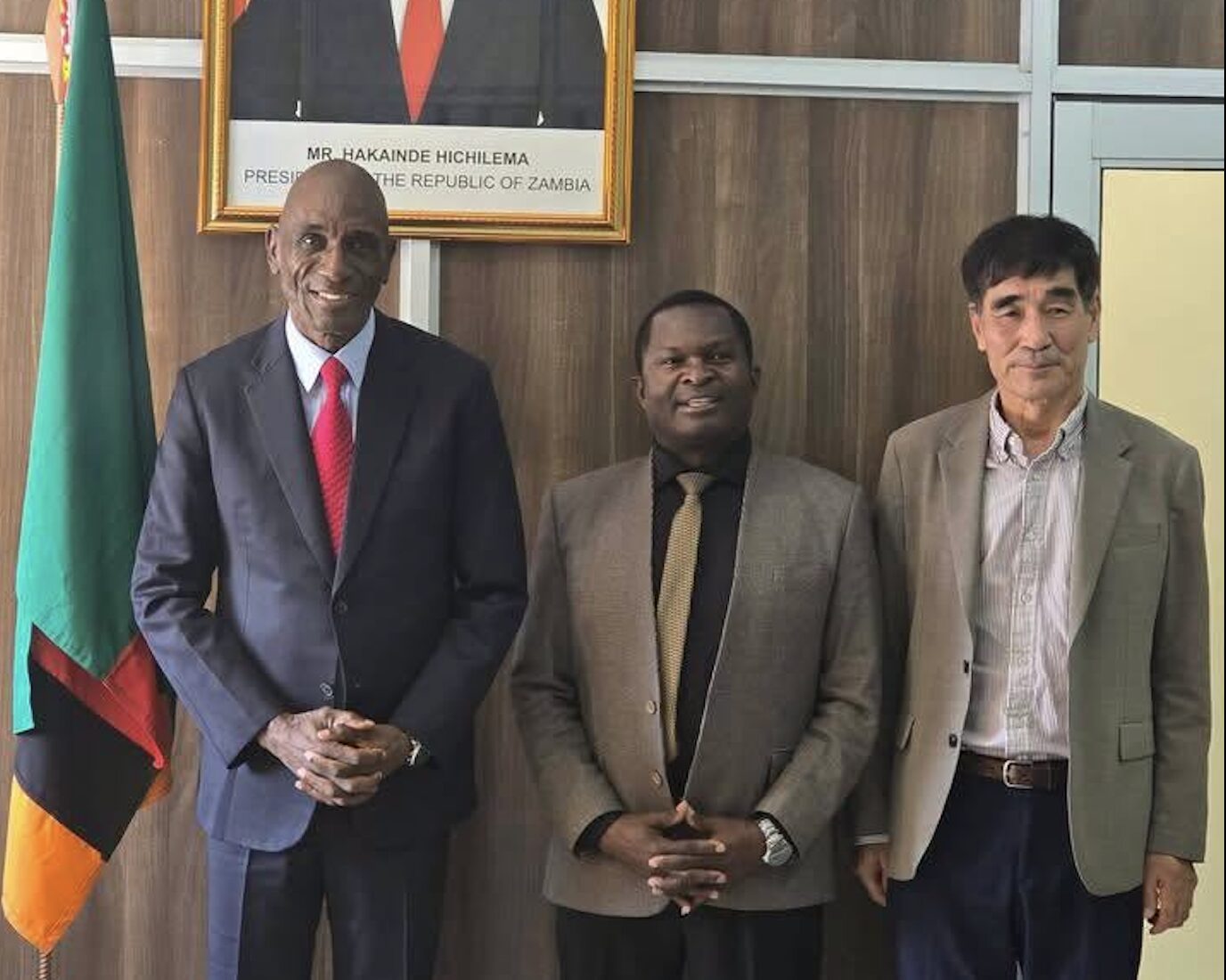
According to an update shared by Zambia’s Ministry of Information and Media, the Korean delegation, which included representatives of Seoul headquartered energy and infrastructure firm KS Eco Solutions Holding Limited, met Zambian stakeholders and government officials to explore a strategic partnership focused on expanding electricity generation capacity and strengthening long term energy security.
Central to the discussions is a proposed 500 megawatt solar power project to be developed in ten phases, with each phase comprising a 50 megawatt generation unit. The installation work would be undertaken by joint technical teams from South Korea and Zambia, while the Zambian government would provide the required land for project development. The project is expected to operate under a long term power purchase agreement with the national utility ZESCO.
At full capacity of 500 megawatts, the solar project is forecast to reduce up to one third of Zambia’s current energy deficit once fully operational, supporting growing demand from industry and households as the country continues to expand its power intensive economic activities.
The ministry indicated that potential financing discussions include the Export Import Bank of Korea and the Korea Development Bank as possible partners to support project implementation. It further noted that investor confidence in Zambia is improving, supported by more favourable macroeconomic conditions, including a stable and strengthening currency as well as restored credit ratings.
The ministry stated that these conditions have contributed to Korean investors presenting a structured investment proposal estimated at between US$700 million and US$900 million. It added that while the proposal remains at discussion stage, it marks a significant step forward in formalising cooperation.
“This is a proposal at this stage. The work of converting it into a signed agreement, a financial close and a construction program now begins. But the fact that it exists, structured and presented to the government, is itself significant,” the ministry said.
Beyond solar, discussions also covered broader energy cooperation including potential nuclear power investment opportunities aimed at supporting Zambia’s long term generation expansion strategy. Zambia currently produces about 4 000 megawatts of electricity and is targeting an increase to 10 000 megawatts in order to support its industrialisation agenda, including plans to produce three million tonnes of copper annually by 2030.
Energy Permanent Secretary for Electricity Arnold Simwaba noted that while solar energy remains a national priority, Zambia is open to a diversified energy mix to ensure system reliability and long term supply security.
Zambia’s ambassador to South Korea Andrew Banda, who led the delegation, said engagement with Korean investors has been ongoing and is now beginning to yield tangible outcomes. He described South Korea as a dependable partner with strong technical capacity to deliver large scale infrastructure projects.
The proposed investments are expected to strengthen bilateral cooperation between Zambia and South Korea while accelerating the diversification and expansion of Zambia’s power generation capacity.
Author: Bryan Groenendaal