- South Africa’s shift toward cleaner, more affordable and sustainable energy will only succeed if the country builds the skills needed to support new industries and ensure young people benefit from the transition.
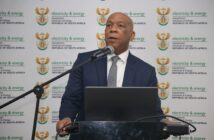
- This was the message from Acting Director-General of Higher Education and Training, Thembisa Futshane, during Climate Talk 2025 in Pretoria on Tuesday.
The event, hosted by the German Embassy under the theme “Powering Possibility: Jobs and Innovation in South Africa’s Just Energy Future,” brought together young South Africans, industry experts and innovators to discuss how the energy transition can unlock opportunities for skills development, investment and inclusive economic growth.
Futshane stressed that the energy transition is already reshaping South Africa’s economy and will define the types of skills, jobs and opportunities available to future generations.
“The energy transition is not a distant policy debate. It is already shaping the economy our young people will inherit,” she said.
She expressed gratitude to the German government for its long-standing partnership with South Africa, including technical support from GIZ and financial assistance from KfW Development Bank for the technical and vocational education and training (TVET) sector. These collaborations have contributed to curriculum development, lecturer training, equipment upgrades and expanded workplace exposure for students.
Futshane also acknowledged contributions from private-sector partners such as BMW, Siemens, Siemens Energy, Bosch, Festo Didactics and the uYilo eMobility Programme. Their investments—ranging from training and internships to research collaboration—are helping prepare South Africa’s emerging workforce for the green economy.
She emphasised that a successful Just Energy Transition requires broad cooperation.
“A transition cannot be considered ‘just’ if it leaves people behind, or if those who carried the burden of the old energy system cannot benefit from the new one,” she said.
“The transition to cleaner, accessible and more affordable energy requires a whole ecosystem of new competencies across construction, maintenance, digitalisation, community engagement and entrepreneurship.”
Over recent years, the Department of Higher Education and Training has worked with Sector Education and Training Authorities (SETAs), industry, civil society and international partners to strengthen the national skills pipeline. This includes updating curricula to incorporate renewable energy and efficiency, upgrading equipment at colleges, expanding lecturer training, supporting recognition of prior learning and piloting community-based training initiatives.
Futshane highlighted the establishment of the Just Energy Transition (JET) Skills Desk, a dedicated unit in the department tasked with improving coordination across government, SETAs, training institutions and development partners.
“Its work helps us move from policy to implementation, ensuring that the transition truly delivers opportunities for our people,” she said.
Support for coal-dependent communities
The Acting Director-General also underscored the need to support workers and communities affected by the phasedown of coal, including labour-sending communities, informal settlements near power stations and former coal mining towns. A fair transition, she said, must guarantee that workers are not abandoned and that communities have a voice in decisions shaping their future.
“A Just Transition means that public investment reaches the people who need it most, and no one is asked to sacrifice their livelihood for a transition from which they do not benefit.”
Futshane urged young people to seize the opportunities emerging in the green economy, calling the energy transition “your generation’s opportunity to shape the world you want to live in.” She encouraged educators to continue aligning training with industry needs and called on business partners to expand collaboration and provide further pathways for youth.
“Let us ensure that the energy transition becomes not only a technical achievement but a national project of justice and opportunity,” she said.
Author: Bryan Groenendaal