- Road transport contributes 97% of sector emissions, driving urgency for reform.
- Electric mobility and regulatory measures highlighted as immediate solutions.
- Geopolitical risks strengthen case for energy sovereignty and reduced oil dependence.
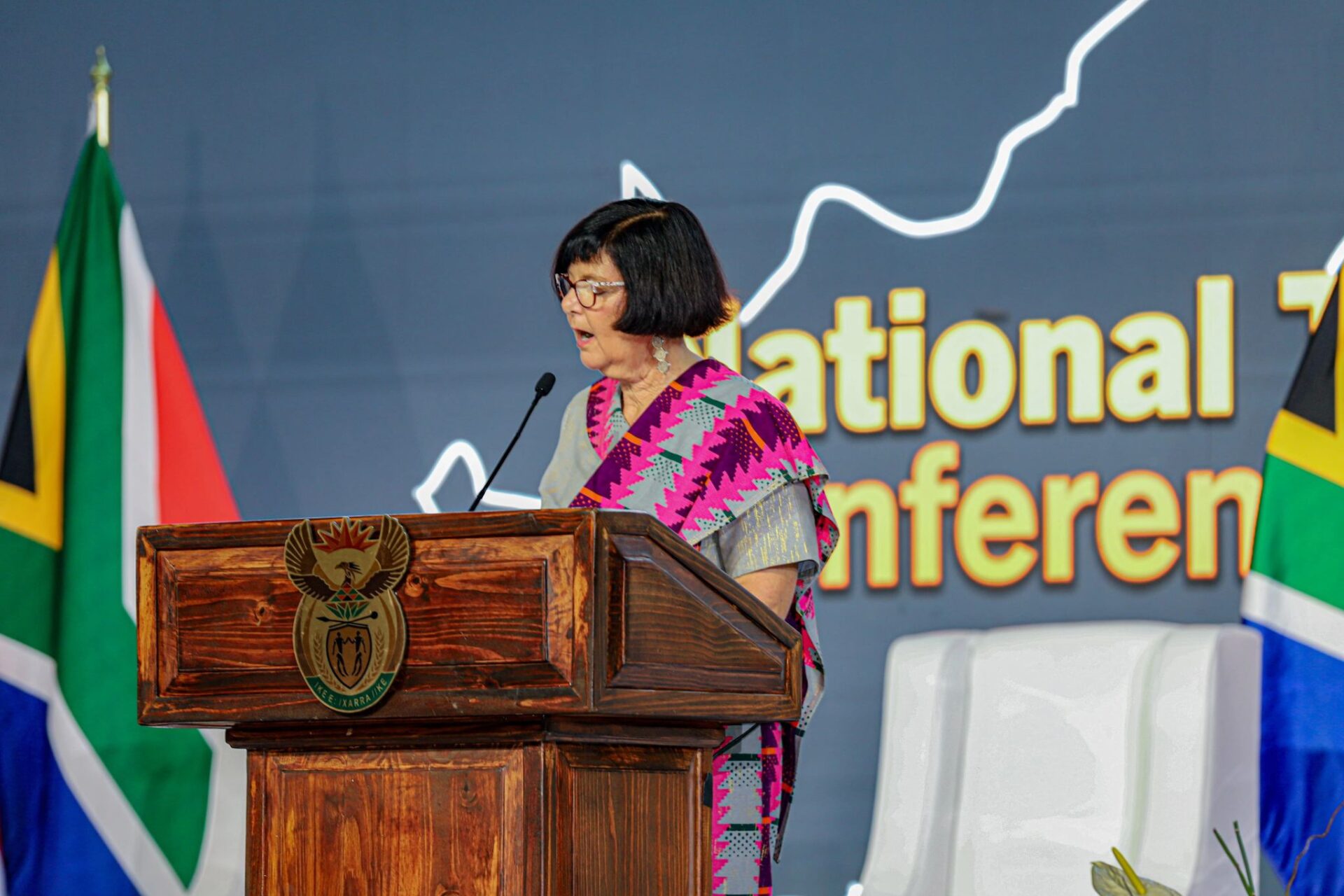
South Africa is under increasing pressure to decarbonise its transport sector, with road transport responsible for 97% of total transport-related emissions. This was a central focus at the inaugural National Transport Conference 2026 held in Johannesburg, where industry leaders and policymakers gathered to discuss the transformation of transport as a driver of economic growth, job creation, inclusivity and sustainability.
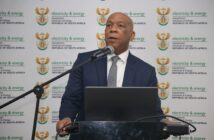
Speaking during a panel session, Hiten Parmar, Executive Director of Electric Mission, emphasised that global momentum towards transport decarbonisation is already underway. He noted that South Africa is not alone in this transition, as countries worldwide implement targeted measures to reduce emissions.
President Cyril Ramaphosa, delivering the keynote address, underscored the need for a modern, inclusive and efficient transport system that also lowers the cost burden on the economy. His remarks reinforced the strategic importance of transport reform in supporting broader economic objectives.
Parmar highlighted zero emission vehicles as an immediate and viable solution to eliminate tailpipe emissions. He pointed out that South Africa currently maintains a favourable ratio of electric vehicle charging infrastructure relative to the size of its electric vehicle fleet. While fuel cell electric vehicles have yet to gain traction locally, battery electric vehicles have seen steady progress across passenger, heavy duty and public transport segments, particularly in bus fleets.
Regulatory reform was identified as a critical enabler of sector transformation. Parmar noted that supply side mechanisms such as fleet mandates, fuel efficiency standards and vehicle emissions regulations could establish performance benchmarks across the industry, driving innovation among manufacturers and accelerating adoption of cleaner technologies.
Energy security emerged as a key theme, with Parmar warning that continued reliance on fossil fuel imports exposes South Africa to global geopolitical risks. Ongoing conflict in the Middle East and resulting market uncertainty have already contributed to volatility in oil prices and rising consumer inflation, with potential long term implications for the domestic economy.
He stressed that achieving energy sovereignty through reduced dependence on imported fuels would be essential to meeting decarbonisation goals. Increased government action, combined with an enabling environment for private sector participation, was identified as critical to unlocking this transition.
Transport Minister Barbara Creecy, in her opening remarks, reaffirmed the role of road transport as a catalyst for job creation and sustainable development, while noting the importance of aligning the sector with environmental priorities.
Parmar concluded that the shift to electric mobility offers a pathway to mitigate geopolitical shocks, strengthen economic resilience and attract investment. With access to key energy transition minerals, a sizeable labour force and strong growth potential, South Africa is well positioned to emerge as a competitive investment destination within Africa’s evolving clean transport landscape.
Author: Bryan Groenendaal