- Bloomberg reports that the Presidency in South Africa plans to set up a body a body to oversee raising R319 billion ($18 billion) that it estimates it needs to repair and modernise country’s municipal power grids.
- The Just Energy Transition Municipal Forum and its secretariat will also train municipality staff and ensure the poor get access to a free electricity via a government grant, officials at a conference near Johannesburg said on Monday.
The forum is an attempt by South Africa’s presidency to improve services in the country’s municipalities, many of which are dysfunctional, and to prepare them for the introduction of more renewable energy in coming years.
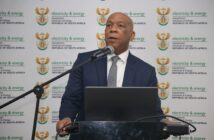
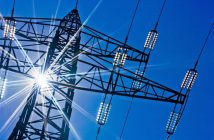
“The municipal grid system needs to be upgraded, modernised and extended,” President Cyril Ramaphosa said at the conference. “The energy generation of the future requires systems that are fundamentally different in terms of design, capability and operation.”
The President highlighted that South Africa’s 257 metropolitan, district and local municipalities “own and operate approximately half of South Africa’s electricity distribution grid and facilitate universal access to electricity”.
“One hundred and sixty five municipalities are electricity service providers. Through the Integrated National Electrification Programme grant, municipalities are responsible for addressing the electrification backlog.
“Municipalities therefore need to be in the driving seat when it comes to providing clean, affordable energy to communities, businesses and industry,” the President said.
The country’s municipalities need R200 billion rand to catch up with maintenance, a further R45 billion rand to connect more people to electricity and R73 billion rand to modernize urban grids including the rolling out of charging stations for electric vehicles, a presidency presentation showed.
At the same arrear municipal debt has escalated out of control to R82.3 billion, up from 58.5 billion reported last year.
Link to Ramaphosa’s full speech HERE
Municipal bailout programme unsustainable
The South African government under Deputy President, Paul Mashatile, introduced a R56.8 billion debt relief programme last year to assist ailing municipalities who are struggling to pay their electricity bills. “The debt-relief arrangement for Eskom outlined in the 2023 Budget noted that a large proportion of outstanding municipal debt is owed to Eskom. National government has introduced support to relieve municipalities of debt to Eskom. The debt…will be written off over a three-year period, in equal annual tranches. This is provided the municipality complies with set conditions. These conditions include enforcing strict credit controls, enhanced revenue collection [and]up-to-date payment of Eskom monthly current account,” said South Africa’s Finance Minister Enoch Godongwana at the time.
To date over 60 municipalities who owe Eskom for unpaid bulk electricity services have applied for government’s debt relief arrangement however, the culture of non-payment is systemic and rooted in the embedded corruption in most municipalities. This has had a knock effect regarding basic service delivery where electricty, water and sewerage infrastructure and management have declined rapidly.
No write-offs have been processed to date as the municipalities must comply with the conditions for 12 months for Eskom to process the first third of the debt write-off.
Illegal connections and load reduction programmes
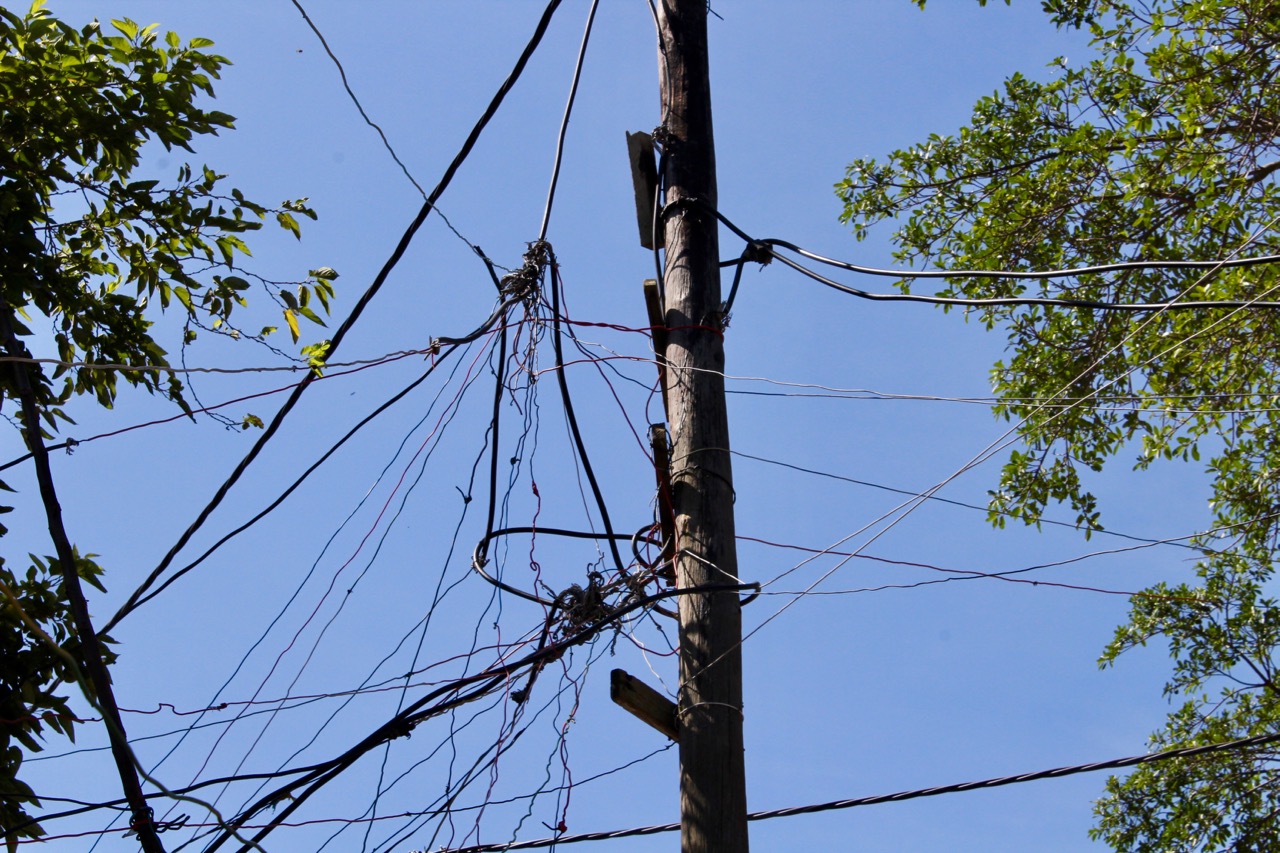
Municipalities in South Africa plus Eskom are plagued by illegal connections which puts a strain and often damages distribution infrastructure like transformers.
Many municipalities and Eskom have started to implement load reduction programmes whuch includes intensifying the implementation of ripple relay systems to cut electricity to geysers in homes where the systems are under threat, reducing load at substations with higher consumption and those under threat, and intensifying cut-off operations against illegal connections.
In extreme cases, entire transformers are removed to protect them from overloading. Eskom recently successfully removed over 35 illegally connected transformers in Diepsloot Extension 6, Gauteng on 20 August 2024. The joint operation is part of Eskom’s ongoing efforts to reclaim its network and alleviate the strain caused by unauthorised and illegal electricity connections. This leaves the areas served with no power at all. Read more
“About 94% of the total overloaded transformers are in these areas as a result of electricity theft and indiscriminate use of electricity. Despite continued public information campaigns to customers about the implications of electricity theft activities, Eskom has no other option but to implement load reduction to protect its assets from repeated failures and explosions, which pose a risk to human live,” Eskom said. Read more
Author: Bryan Groenendaal