- South African ministers showcase investment potential and structural reforms at the World Economic Forum in Davos.
- Energy and infrastructure financing challenges remain, including hurdles for the Just Energy Transition funding.
- The focus is on macroeconomic stability, state capability, and growth-enhancing infrastructure to attract global investors.
A delegation of South African ministers will present the country’s economic progress, reform momentum, and investment opportunities at the World Economic Forum in Davos, Switzerland this week. The forum will run until 23 January 2026 under the theme “A Spirit of Dialogue”.
The South African delegation includes Finance Minister Enoch Godongwana, Minister of International Relations and Cooperation Ronald Lamola, Minister of Electricity and Energy Dr Kgosientsho Ramokgopa, Minister of Tourism Patricia de Lille, and Minister of Small Business Development Stella Ndabeni.
National Treasury emphasized that South Africa aims to demonstrate its improving economic position and strengthening investor confidence. Recent developments include the stabilisation of electricity supply, removal from the Financial Action Task Force greylist, and a sovereign credit rating upgrade by S&P Global.
The ministers will highlight structural reforms across key sectors including energy, logistics, water, digital communications, and small business development. These initiatives are central to positioning South Africa as an attractive destination for global investment.
“The delegation’s strategic intent is to position South Africa as an attractive investment destination through demonstrable progress in macroeconomic stability, economic reform implementation, regional leadership, and global diplomacy,” National Treasury said. The strategy aligns with South Africa’s medium-term growth plan, anchored on four policy pillars: maintaining macroeconomic stability, accelerating structural reforms, building state capability, and investing in growth-enhancing infrastructure.
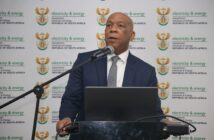
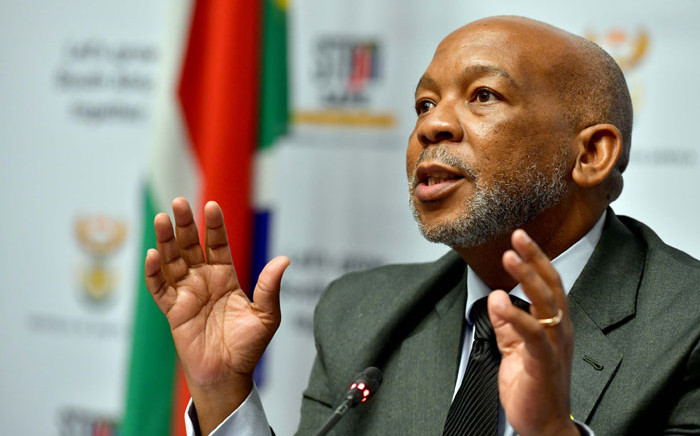
Energy remains a central focus at Davos. Minister Dr Kgosientsho Ramokgopa noted that terms for the $13 billion pledged under the Just Energy Transition (JET) from Western partners are not sufficiently attractive for Eskom. The Minister outlined several key challenges:
- Funding Hurdles: Current requirements make accessing the pledged funds difficult, prompting Eskom to explore alternative financing.
- Alternative Sources: Eskom may turn to commercial banks or the bond market to secure capital for energy transition and infrastructure projects.
- Geopolitical Shifts: Despite the United States’ withdrawal from the partnership in early 2025, the total JET pledge remains over $13 billion.
- Smelter Industry Impact: Minister Ramokgopa is engaging with global CEOs, including Glencore’s Gary Nagle, to address high electricity prices affecting South Africa’s smelter sector.
Eskom’s transition strategy continues to face pressure due to a borrowing moratorium under National Treasury’s debt relief program, which has constrained the deployment of specific JET concessional loans.
The South African delegation’s participation at Davos signals a continued commitment to economic reform, energy transformation, and building confidence among global investors.
Author: Bryan Groenendaal