- Government has pledged stronger collaboration to improve air quality following the National Priority Air Quality Summit in Rustenburg.
- A recent study estimates that air pollution caused 42,000 premature deaths in South Africa during 2023 and costs the economy about US$52 billion annually.
- Authorities will expand community monitoring, public participation and tree planting while experts call for stricter enforcement of industrial emissions standards.
South Africa is stepping up efforts to improve air quality following the National Priority Air Quality Summit, as new research highlights the severe human and economic cost of pollution across the country.

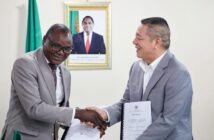
South Africa’s Deputy Minister of Forestry, Fisheries and the Environment, Bernice Swarts. Image credit: DFFE
The Department of Forestry, Fisheries and the Environment said the summit, held in Rustenburg in North West, reinforced the need for stronger cooperation between national, provincial and local government, together with industry, research institutions, academia and civil society to reduce pollution and improve air quality in South Africa’s Priority Areas.
The summit provided a platform for government officials and stakeholders to share lessons, best practices and practical solutions for implementing Priority Area Air Quality Management Plans. Discussions also focused on strengthening technical capacity, improving implementation of the Highveld Priority Area Air Quality Management Plan and preparing for enhanced management of the Vaal Triangle Airshed and Waterberg Bojanala priority areas.
Government also highlighted the role of urban greening in improving environmental quality. As part of President Cyril Ramaphosa’s Presidential One Billion Trees Programme, the department plans to plant 10 million trees on Heritage Day, 24 September 2026, contributing to the long term target of planting one billion trees to improve air quality, mitigate climate change and create healthier communities.
The summit also examined implementation of the recently enacted National Dust Control Regulations, which aim to shift dust management from a reactive to a proactive approach while strengthening compliance and accountability.
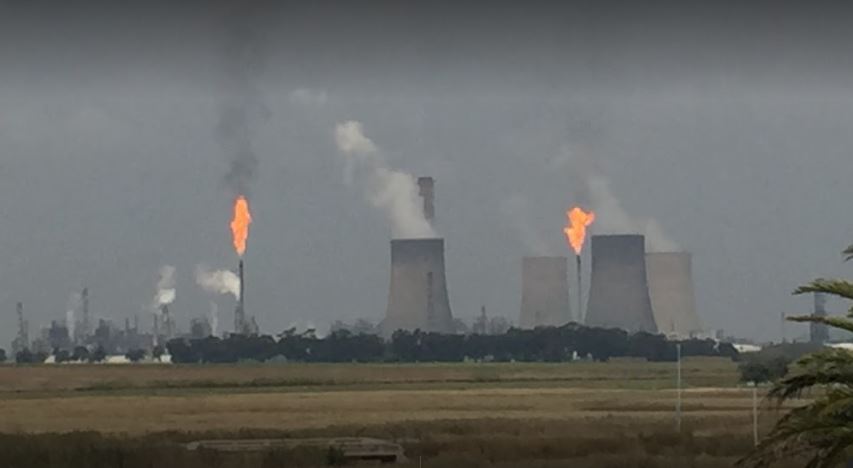
While officials acknowledged improvements in air quality monitoring, planning and stakeholder engagement, they recognised that many communities continue to experience unacceptable levels of pollution from industrial activities, coal fired power stations, domestic fuel burning, transport emissions and waste burning.
The renewed government commitment comes as a report by the Centre for Research on Energy and Clean Air and Greenpeace Africa highlights the scale of South Africa’s air pollution challenge.
According to the report, exposure to fine particulate matter known as PM2.5 resulted in an estimated 42,000 premature deaths during 2023, including more than 1,200 children under the age of five. The study estimates that air pollution contributed to about 8% of all deaths recorded in South Africa during the year.
Children remain among the most vulnerable to poor air quality, with pollution linked to increased respiratory illness, asthma related emergency admissions, approximately 47,000 underweight births and 43,000 preterm births annually.
The report also found that prolonged exposure to PM2.5 contributes significantly to chronic diseases including chronic obstructive pulmonary disease, stroke, diabetes and dementia, placing additional pressure on South Africa’s healthcare system.
Beyond its health impacts, air pollution is estimated to cause 30 million lost workdays each year, reducing productivity across the economy. The total economic cost of pollution related health impacts is estimated at approximately US$52 billion, or R960 billion annually, equivalent to around 14% of South Africa’s GDP.
Researchers estimate that meeting South Africa’s current national ambient air quality standard would reduce annual pollution related deaths from 42,000 to 33,000, saving about 9,300 lives each year. Achieving the more stringent World Health Organisation guideline would reduce annual deaths to around 12,000, representing a 72% reduction and saving approximately 30,000 lives annually.
Link to the full report HERE
The report recommends introducing a polluter pays levy on large industrial emitters and coal fired power stations, ending exemptions and delays to minimum emission standards, and requiring industries to publish real time emissions data and regular compliance reports.
The Department of Forestry, Fisheries and the Environment said partnerships with organisations such as the Clean Air Fund are helping accelerate air quality programmes. Since 2024, the Clean Air Fund has supported government initiatives including the deployment of 200 low cost air quality sensors across Gauteng, North West and the Free State, while additional monitoring equipment is being rolled out nationwide.
The organisation is also supporting municipalities through public awareness programmes and assisting research institutions including the South African Medical Research Council to strengthen evidence on the health impacts of air pollution.
Government said it will continue expanding the South African Air Quality Information System to improve public access to air quality information while strengthening systems that allow communities to report pollution incidents online.
The department also plans to increase community air quality dialogues across South Africa’s Priority Areas and expand environmental education programmes in all official languages to encourage greater public participation in efforts to reduce pollution.
The summit concluded with a commitment to develop a practical national plan to strengthen community participation, improve accountability and accelerate measurable improvements in air quality, recognising that protecting public health will require coordinated action from government, industry and civil society.
Author: Bryan Groenendaal