- South Africa has intensified its efforts to advance a just, inclusive, and community-centred climate transition, even as many countries show signs of slowing their environmental commitments.
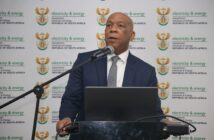
- President Cyril Ramaphosa delivered this message on Friday in Pretoria, stating that South Africa has “not wavered on our commitments and has in fact scaled up our climate action.”
His remarks came during the 20th Ordinary Commission Session, where the Presidential Climate Commission (PCC) handed over its Five-Year Legacy and Review Report as its first term concluded. Established five years ago, the PCC has played a key role in shaping national policy toward a low-carbon, climate-resilient economy.
Ramaphosa’s address underscored concerns about weakening global momentum on climate action. He warned that climate financing for vulnerable countries remains insufficient, hindering both mitigation and adaptation. With only five years left to meet the Sustainable Development Goals, he said the world is significantly off track, noting that the past year was the warmest ever recorded and that global temperatures are on course to exceed the 1.5°C warming limit. He added that despite repeated scientific warnings, several countries—including in the Global North—are backsliding on their commitments.
Reflecting on South Africa’s progress, the President highlighted the PCC’s 2021 recommendations for more ambitious emissions targets in the country’s Nationally Determined Contribution (NDC). These recommendations helped inform the release of the Just Transition Framework the following year, which outlines government and stakeholder actions to move toward a low-carbon, climate-resilient future. He stressed that this transition must be incorporated into departmental planning, annual performance strategies, and budget processes, and aligned across key sectors such as energy, agriculture, and industry. The Framework also identifies the skills development, economic diversification, governance systems, financing mechanisms, and social protections needed to support communities and workers who could be displaced in the transition.
Ramaphosa noted that the PCC also supported the development of the Just Energy Transition Implementation Plan (2023–2027), a detailed blueprint of the reforms, investments, and projects required to transform the energy sector. He said this plan strengthened South Africa’s credibility during engagements with international climate finance institutions and negotiations at COP30 in Brazil.
The President described the passage of the Climate Change Act last year as a major national achievement, made possible through collaboration across society. He credited the PCC with providing valuable counsel on energy sector restructuring, particularly regarding Eskom, and helping to resolve conflicting policy directives. He highlighted the Commission’s broader contributions, including studies on water, agriculture, and the built environment; consultations on the updated Integrated Resource Plan; municipal readiness assessments for the Just Energy Transition; and its work on a Climate Finance Landscape report.
Ramaphosa said the Commission’s inclusive approach, evidence-based advice, and international collaboration have significantly elevated South Africa’s profile in global climate forums, especially in climate finance discussions. He added that the PCC’s leadership has helped shape international conversations about equity, transition financing, and climate justice, noting that the recent G20 Leaders’ Summit placed strong emphasis on a just transition. The summit pledged increased climate financing for developing economies and support for Just Energy Transition Partnerships, alongside expanded investment in renewable energy projects across Africa.
He concluded by saying that the past five years have strengthened South Africa’s reputation as a respected, principled, and pragmatic participant in global climate efforts.
Author: Bryan Groenendaal