- Government intensifies interventions as 162 municipalities remain financially distressed.
- Johannesburg City Power reports R4.3bn loss and high insolvency risk following CEO resignation.
The South African government is stepping up efforts to stabilise struggling municipalities as governance failures, financial mismanagement and ageing infrastructure continue to undermine service delivery across the country.
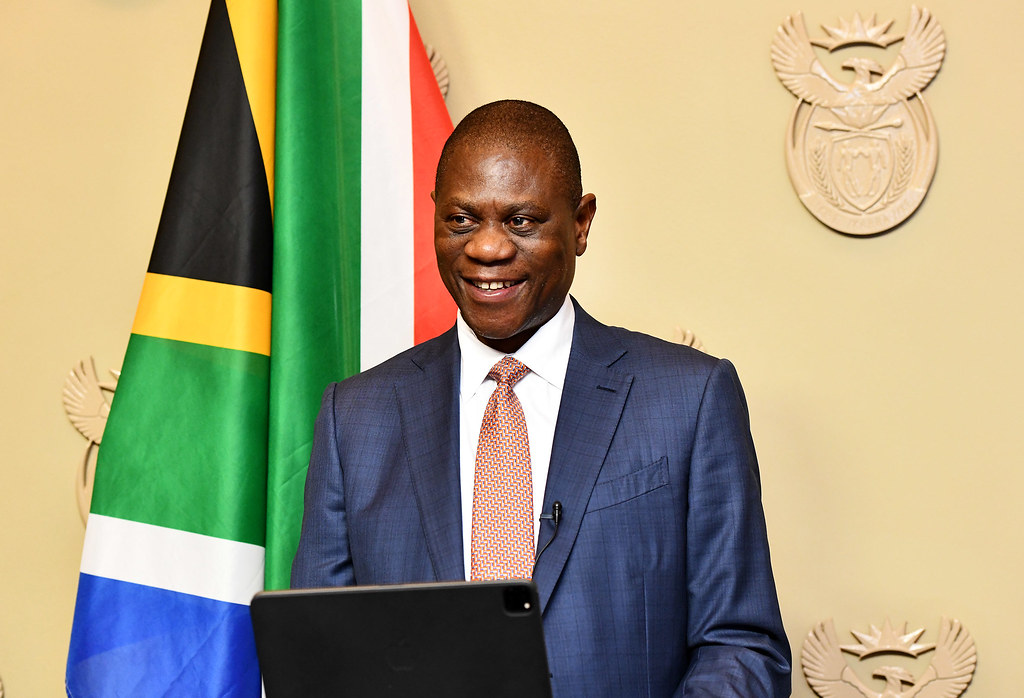
Last week Deputy President Paul Mashatile told the National Council of Provinces that government is implementing a range of measures to address persistent governance and service delivery challenges affecting municipalities. He acknowledged that several municipalities, including Ditsobotla Local Municipality and Emfuleni Local Municipality, continue to face severe operational and governance problems.
Mashatile said the problems stem from governance instability, weak institutional capacity, financial mismanagement and long standing service delivery backlogs.
Section 139 interventions, which allow provincial governments to intervene in failing municipalities, have not always delivered sustainable outcomes. Government is now seeking to strengthen oversight, professionalise municipal administration and introduce clearer recovery and exit strategies.
Municipal finances remain under severe pressure. National Treasury identified 162 municipalities as financially distressed during the 2023 or 24 financial year, driven largely by weak revenue collection, poor cash flow management and growing municipal debt.
The financial strain is compounded by 113 unfunded municipal budgets and a combined revenue shortfall of R35.9bn.
The financial distress is also evident at the municipal utility level
As of March 2026, total municipal debt owed to Eskom has surpassed R110 billion. This figure includes debt covered under the National Treasury’s Municipal Debt Relief Programme, which has failed to prevent the escalation of arrears as most municipalities are not complying with the program’s conditions.
Johannesburg City Power as an example, reported an annual loss of R4.3bn for the period ending 30 June 2025 and warned in its performance report that the entity faces a high risk of insolvency and is not financially healthy. The utility’s challenges include ageing electricity infrastructure, with some assets up to 90 years old, which has resulted in significant revenue losses because energy delivered to customers cannot be fully recovered through billing and payments.
Previous Auditor General reports also flagged nearly R5bn in irregular expenditure at the utility, largely linked to unbudgeted payments to Eskom.
City Power CEO resignation
Johannesburg City Power CEO Tshifularo Mashava resigned on 18 February 2026, leaving behind a utility in a precarious financial position after reporting a R4.3bn loss for the financial year ending 30 June 2025. Mashava’s final day as CEO will be 30 March 2026. She said she intends to pursue personal and other professional interests. Chief Operations Officer Charles Tlouane will assume the role of acting CEO from 1 April 2026.
Mashava’s tenure was marked by controversy, including a raid by the Hawks on City Power headquarters and allegations of corruption and nepotism. The City Power board later cleared her of the allegations but Mashava is reportedly the subject of an arrest warrant relating to a series of fraud and corruption charges. In one case, he is listed as “accused number one” in a R64 million fraud and corruption matter concerning the supply of transformers. Although the arrest warrants were signed in November 2025, reports as of March 2026 indicate that they remain active. The National Prosecuting Authority (NPA) previously stated that the case was “not ripe for enrolment”, despite the existence of these warrants.
City Power board chairperson Makhosini Kharodi praised Mashava for laying a solid foundation at the utility, citing unqualified audits and progress in renewable energy integration.
Opposition party Democratic Alliance criticised her leadership, pointing to deteriorating operational performance, prolonged power outages and persistent cable theft during her tenure.
Multidisciplinary teams
To address municipal failures more broadly, government has deployed multidisciplinary teams to assist municipalities with Financial Recovery Plans and to strengthen technical capacity through the Municipal Infrastructure Support Agent and National Treasury.
Government is also reviewing the White Paper on Local Government as part of broader reforms aimed at strengthening the local government system. Proposed measures include potential changes to the municipal funding model, enhanced technical capacity and possible restructuring of Section 139 interventions.
Mashatile said the District Development Model remains central to improving coordination between national, provincial and municipal governments.
As part of the model, government is working with the Department of Cooperative Governance and Traditional Affairs and sector departments to implement targeted action plans for distressed municipalities. Progress is also being monitored through the Clean Cities, Towns and Villages campaign.
Despite widespread challenges, some municipalities have shown improvements in governance and financial management. Midvaal Local Municipality and uMngeni Local Municipality were cited as examples of municipalities that have achieved clean audits.
Mashatile said stronger consequence management is essential to restoring accountability in local government. Authorities are implementing disciplinary processes, criminal investigations and conditional grant measures where necessary.
Government has also established a Local Government Anti-Corruption Forum in collaboration with the Special Investigating Unit to strengthen anti-corruption efforts at provincial and municipal levels.
Enforcement actions are also being pursued in relation to failures in water and sanitation services, including criminal charges against municipalities and steps to hold municipal managers accountable for statutory breaches. Mashatile said the interventions demonstrate government’s commitment to stabilising local government and ensuring public funds are safeguarded and properly applied to service delivery.
Author: Bryan Groenendaal