- Government targets full eradication of load reduction affecting 1.69 million customers by end 2026.
- Over 380,000 smart meters installed as part of national rollout to stabilise distribution networks.
- 151 feeders restored, benefiting nearly 200,000 customers as programme gains momentum.
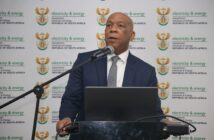
The Minister of Electricity and Energy, Kgosientsho Ramokgopa, has presented an executive statement to Parliament outlining South Africa’s progress and roadmap to eliminate load reduction, a persistent challenge driven by distribution network overloading.
The Load Reduction Elimination Programme is a structured and funded national initiative designed to address intentional localised power interruptions caused by strain on distribution infrastructure. The programme is being implemented in phases, with a clear target to resolve the issue by the end of 2026.
Government has identified approximately 1.69 million customers affected by load reduction. As of March 2026, 151 feeders have already been removed from load reduction schedules nationwide, restoring stable electricity access to about 199,160 customers.
Central to the programme is a three pillar strategy addressing the root causes of network overloading, including illegal connections, infrastructure degradation, and affordability constraints.
The smart meter rollout remains a cornerstone intervention. More than 380,000 smart meters have been installed across the country, with over 190,000 deployed specifically in load reduction areas. These meters enable real time monitoring and allow for load limiting instead of full power cuts to entire communities. The government is targeting the installation of 577,347 smart meters on load reduction feeders.
In parallel, the expansion of Free Basic Electricity is being prioritised to improve affordability and compliance. Although about 2.1 million households qualify for support, only a portion currently benefits. Increasing registration of indigent households is seen as critical to reducing illegal connections and gaining community cooperation.
The programme also includes the rollout of distributed energy resources, with plans to install 250 systems such as microgrids over the next five years. These solutions are expected to strengthen supply in remote and high demand areas while reducing pressure on existing networks.
Ramokgopa emphasised the distinction between load reduction and load shedding, noting that they stem from fundamentally different challenges. Load shedding is a national supply constraint linked to generation shortages, which has remained largely suspended for over 300 consecutive days as of March 2026. In contrast, load reduction is a localised distribution issue triggered when infrastructure such as transformers is at risk of failure due to overloading, often driven by illegal connections and network tampering.
The minister noted that while progress is evident, sustained investment and community participation will be essential to achieving the 2026 target and ensuring long term grid stability.
Author: Bryan Groenendaal