- Study finds direct solar PV water heating systems can reduce household water heating electricity costs by 21% to 47%.
- South African households could avoid more than two tonnes of CO2 emissions annually through solar powered water heating.
- Simple retrofit solution eliminates the need for batteries, inverters and complex plumbing systems
A new study titled ‘Assessment of solar PV-assisted domestic water heating in Sub-Saharan African cities,’ has found that a simple retrofit solution could significantly reduce household electricity consumption, lower energy costs and cut carbon emissions.
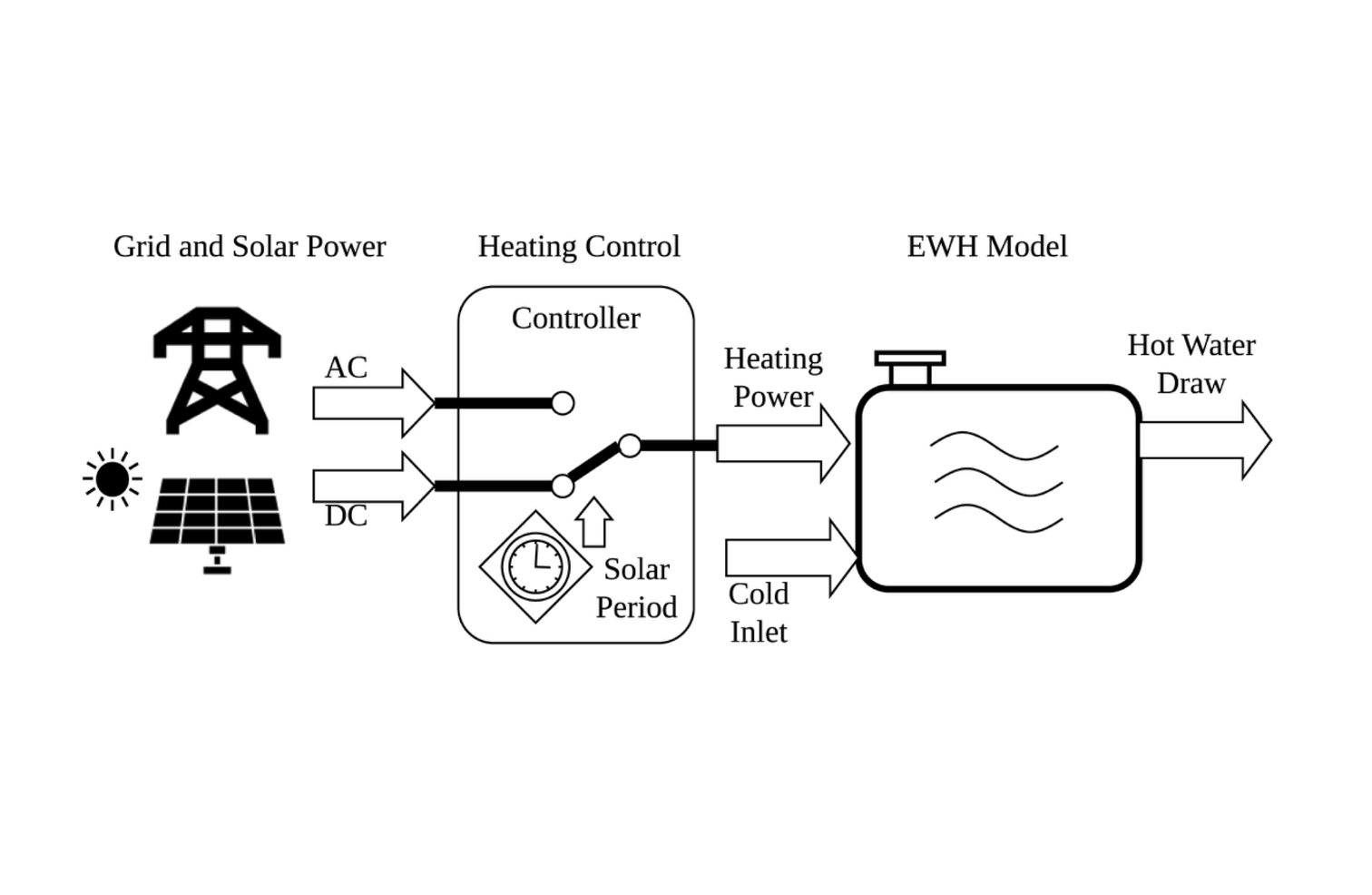
Researchers evaluated a Direct DC PV to Electric Water Heater system in Cape Town, Johannesburg, Lusaka, Luanda, Kinshasa, Nairobi and Lagos. The technology connects solar PV modules directly to an existing electric water heater, using the hot water tank itself as thermal storage. This approach removes the need for batteries, grid tied inverters and additional hydraulic infrastructure, making it a potentially attractive option for residential deployment across the continent.
The study comes as rising electricity demand and constrained grid capacity continue to challenge utilities across Africa. Water heating alone accounts for between 40% and 50% of total household electricity consumption in many markets, particularly in South Africa where electric water heaters are widely used.
Sub Saharan Africa is well positioned to benefit from solar powered water heating, with annual solar irradiation levels typically ranging from 1,500 kWh/m² to 2,200 kWh/m². Combined with the continued decline in solar PV module prices, this creates a strong opportunity to reduce dependence on grid supplied electricity for domestic hot water production.
Using a high resolution simulation model and satellite weather data from 2024, the researchers assessed the performance of a 1.68 kWp solar PV system across different household demand profiles and installation configurations.
The results showed that annual savings on water heating electricity costs ranged from 21% to 47%, depending on household consumption patterns and location. The highest solar energy yields were recorded in Johannesburg, where heavy use households achieved the greatest reduction in grid electricity consumption.
The study found that system performance is closely linked to panel orientation. Across all cities, the most effective installation angle was generally a tilt close to the local latitude and facing towards the equator. A slight easterly orientation further improved performance by better matching solar generation with morning hot water demand.
Cities closer to the equator, including Nairobi and Kinshasa, demonstrated greater tolerance to installation errors, with energy yields remaining relatively stable even when panel orientation deviated from the optimum angle. In contrast, higher latitude locations such as Cape Town and Johannesburg showed greater sensitivity, making installation accuracy more important.
One of the most significant findings relates to decarbonisation potential. The greatest emissions reductions were recorded in South Africa, where electricity generation remains heavily dependent on coal and grid emission factors can reach approximately 0.92 kg CO2 per kWh.
According to the researchers, a single high demand household in Johannesburg could avoid more than two tonnes of CO2 emissions each year by adopting the system. By comparison, the climate benefits are lower in cities such as Kinshasa and Lusaka, where electricity generation relies more heavily on hydropower and therefore already has a relatively low carbon footprint.
Economic performance also varied significantly between locations. Markets with higher electricity tariffs, including Nairobi as well as Cape Town and Johannesburg, delivered the strongest financial returns. In contrast, cities with heavily subsidised electricity prices, such as Luanda, offered a weaker investment case under the baseline capital cost assumptions used in the study.
The researchers also examined user comfort, measuring instances where available hot water temperatures fell below desired levels. While a solar first operating strategy introduced some risk of cooler water during periods of high demand, the impact remained relatively low for light and medium use households. Higher demand households in cooler, higher latitude cities experienced a greater trade-off between cost savings and hot water availability.
The study concludes that Direct DC PV to Electric Water Heater systems offer a practical and scalable pathway to reduce residential electricity demand across Sub Saharan Africa. By leveraging existing water heating infrastructure and avoiding the complexity of batteries, inverters and solar thermal plumbing systems, the technology could provide a low-cost route to lower energy bills, ease pressure on national grids and support emissions reduction targets in some of the region’s most carbon intensive electricity markets.
Link to the full paper HERE
Author: Bryan Groenendaal