- Rand Water reports that its water storage systems are dropping fast because of extremely high-water consumption from customers in the cities of Johannesburg and Tshwane.
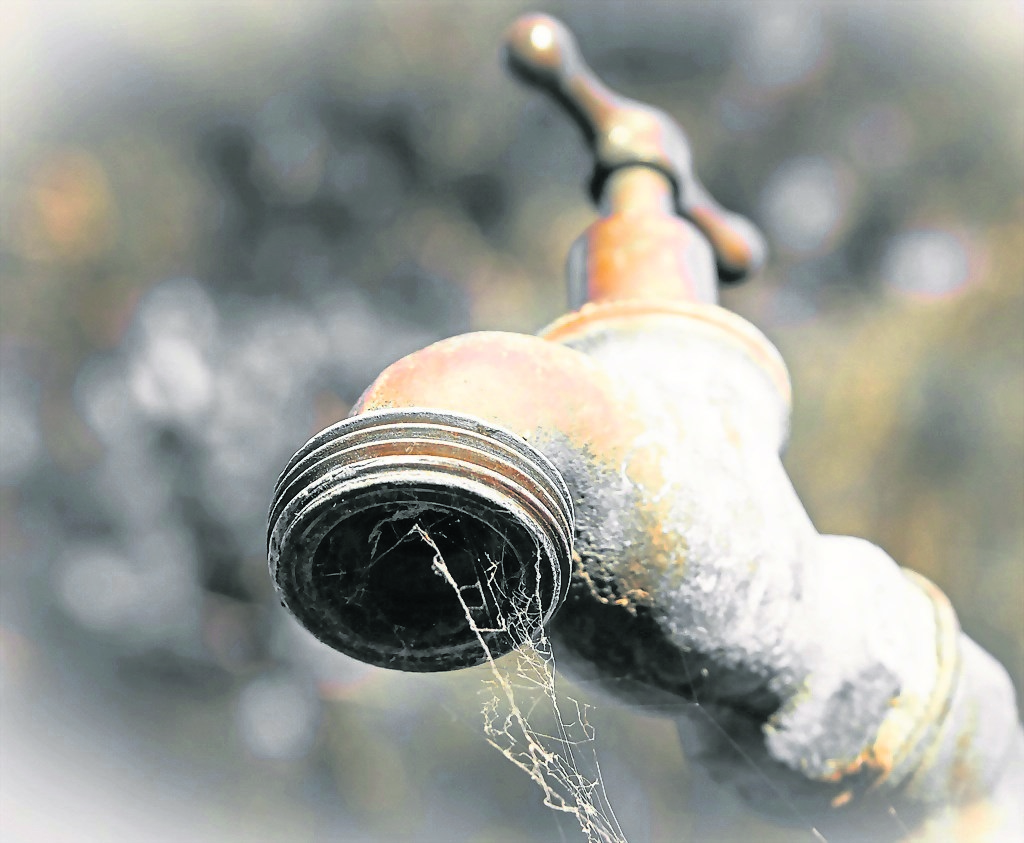
- In October last year, ground zero was narrowly averted in Johannesburg as residents faced taps running dry. Read more
In addition to the rising temperatures and high-water consumption, electricity outages have exacerbated the issue of declining systems. On Tuesday, 11 February at 13h45, a total power supply failure occurred at Emfuleni power sub-station and impacted Rand Water’s Vereeniging Water Treatment Plant. The Vereeniging Water Treatment Plant is totally reliant on power supplied by Emfuleni Local Municipality (ELM). The outage was caused by the failure of ELM’s transformer.

The chart depicts the declining Rand Water storage systems – shown by the red solid line. The decline can be observed from the 19th of January 2025. Image credit: Rand Water
Power supply to the Vereeniging Water Treatment Plant was restored, and full operations resumed at 18h20. However, at 20h20, another power failure occurred, once again disrupting pumping. The Emfuleni Local Municipality team is working to resolve the issue; however, the estimated time for restoration is currently unknown.
This incident has led to the depletion of reservoirs, affecting customers supplied by the VVS system (Vereeniging, Vanderbijlpark, and Sasolburg), as well as the Forest Hill, Yeoville, Benoni, and Eikenhof systems. The following municipalities will be impacted: Emfuleni, Metsimaholo, Ngwathe, Rustenburg, Royal Bafokeng Administration, Rand West, Merafong, Mogale City and the Cities of Johannesburg and Ekurhuleni. Additionally, some direct customers, industries and mines will be impacted.
Author: Bryan Groenendaal