Video: watch the full media briefing
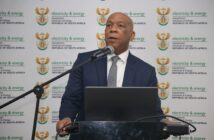
- Yesterday, South Africa’s minister of energy and electricity, Minister Ramokgopa held a media briefing to announce interventions aimed at ending load reduction.
- He announced the end of load reduction in 12 to 18 months depending on the success of community engagement processes.
- Communities must co-operate by legally connecting to the power-grid and pay for electricity instead of buying electricity from illegal vendors or bypassing existing meters at a cheaper rate.
Load reduction is mainly applied to poor areas in Limpopo, Western Cape, Eastern Cape, Gauteng, Mpumalanga, KwaZulu-Natal, and North West. About 94% of the total overloaded transformers are in these areas as a result of electricity theft and indiscriminate use of electricity. Despite continued public information campaigns to customers about the implications of electricity theft activities, Eskom has no other option but to implement load reduction to protect its assets from repeated failures and explosions, which pose a risk to human lives.
The electricity theft activities are wide ranging and include illegal connections, network equipment theft, vandalism, meter bypasses and tampering, unauthorised network operations and purchasing electricity from illegal vendors.
Load reduction is a long-established process that Eskom uses in specific areas when there is sufficient electricity available, but a transformer’s integrity is at risk due to overloading, whereas loadshedding is used when the national grid is constrained and there is not sufficient capacity to generate electricity to meet demand. It is also a proactive measure that Eskom uses to protect human life, equipment worth millions of rands and people’s livelihoods.
Ramokgopa announced that Eskom will roll out smart meters to register all users in affected areas including credible indigent users. The prepaid smart meters will also enable Eskom and municipalities to front load indigent households who qualify for free basic electricity. Over 2.1 million households in South Africa qualify for free basic electricity but less than 500000 actually receive it.
Ramokgopa will be seeking Cabinet approval to use part of the R4-billion Integrated National Electrification Programme budget to fund the roll-out.
Author: Bryan Groenendaal