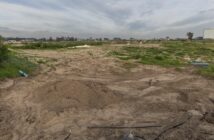
- Nopal Renewable Energy will be investing N$1.8 billion over the next three years in a cactus farm at Maltahöhe to produce biogas for energy production.
This is the first project the company is embarking on in Africa. During a groundbreaking ceremony on Thursday, country partner Nicole Maske said the company imports the cacti from Portugal and started with the pilot site plantation last year, which was successful.
“We will be planting on 500 hectares of land in the first phase, however, the plan is to expand across the country for a total of 17 500 hectares,” said Maske.
The first phase of the project will cost N$66 million. Over the next three years, Nopal plans to invest N$1.8 billion. Maske added that the plant will work perfectly in Namibia’s current weather conditions as it does not require much water.
“We want to work with NamPower to see where we may have this base load power in the grid, and mining companies who may need energy for their processing,” said Maske.
Stephen McNeil, the Canadian managing partner of the project, said this is the first cactus farm project the company is embarking on in Africa.
“People want to see the project work first before investing, however, we have one off-taker with a gas company,” he said.
McNeil said potential off-takers could be NamPower, as the cacti could be used as a source of renewable energy, thereby feeding into the country’s electricity market.
The primary goal is to produce bioenergy, including renewable electricity, renewable liquefied natural gas, renewable methane, and renewable carbon dioxide. McNeil said the farm will also generate carbon removal certificates for global sale as virtual exports from Namibia, and lower the country’s carbon footprint.
Author: Bryan Groenendaal