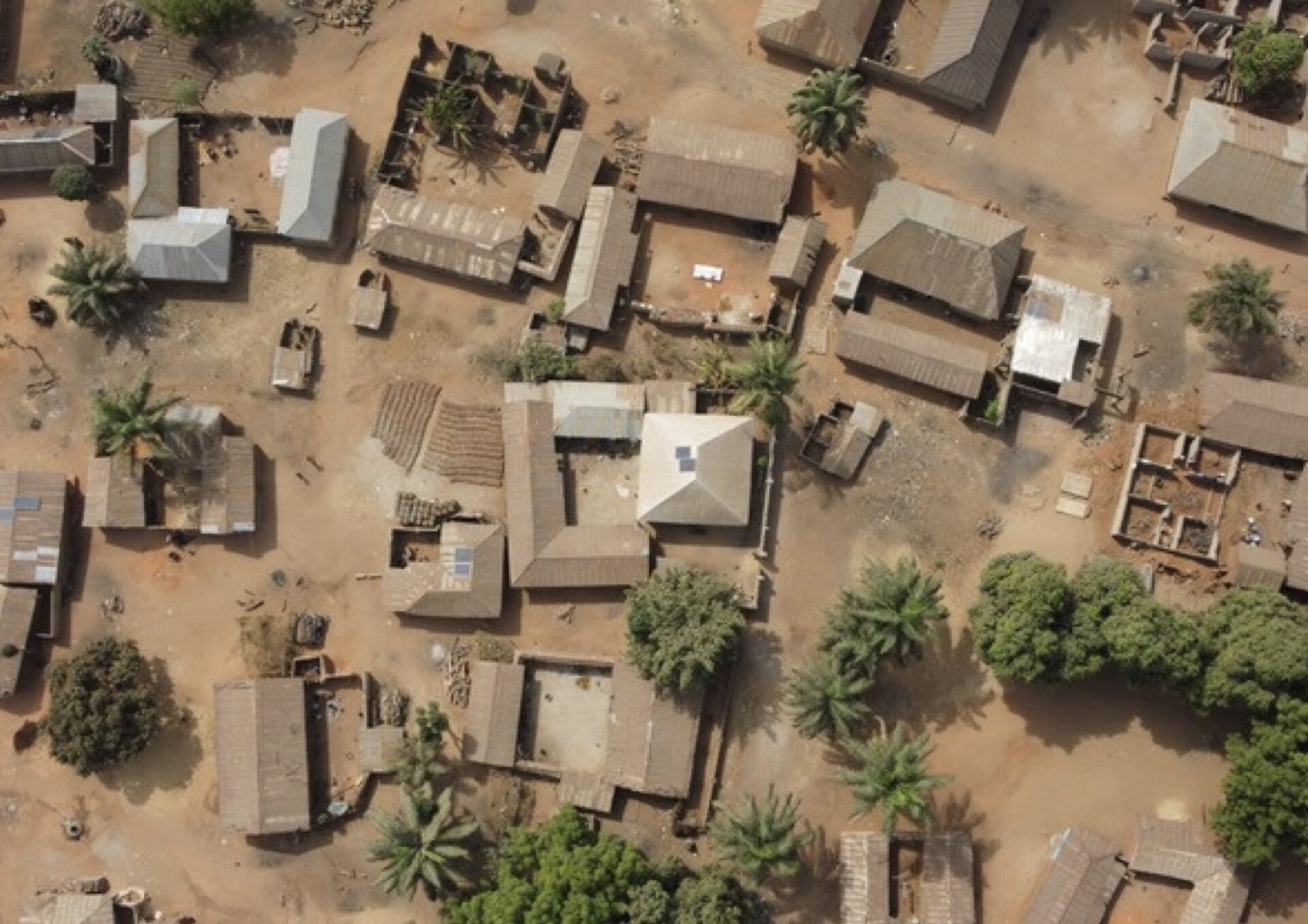
- More than 500 million people in sub-Saharan Africa still lack access to electricity, representing 85% of the global total.
- Report urges governments and financiers to shift from funding infrastructure to financing electricity service delivery.
- New concession based model could unlock lower cost capital and improve the long term sustainability of rural electrification.
A new report from the Global Energy Alliance for People and Planet and Lightrock argues that achieving universal electricity access across sub-Saharan Africa will require a fundamental shift in the way rural electrification is financed and delivered.
Titled ‘Structuring for the Last Mile: Financing the Next Era of African Electrification’, the report examines the current state of the sector and presents a practical framework for extending reliable and affordable electricity to underserved rural communities.
Despite growing investment and stronger electrification efforts, more than 500 million people across sub-Saharan Africa remain without electricity, accounting for 85% of the global population that lacks access. Population growth continues to outpace the rate of new electricity connections, making the challenge increasingly difficult.
According to the report, existing approaches centred on conventional grid expansion and privately financed distributed renewable energy systems will not be sufficient to reach the next generation of customers, who are typically poorer and live in more remote locations.
Drawing on evidence from regulators, utilities, developers and financiers, the report proposes a new financing architecture that prioritises electricity service delivery rather than the deployment of physical assets. It recommends assigning operators clear service obligations while distributing financial and operational risks between the public and private sectors according to their respective strengths.
The report identifies several structural weaknesses in the current market. African utilities recover only US$0.80 for every US$1 of operating costs and debt servicing, contributing to declining service quality. It also highlights that volume driven incentives in the pay as you go solar sector have encouraged unsustainable lending practices, while inadequate maintenance has left as much as 75% of solar energy kits in disrepair.
In addition, the report finds that isolated grid extensions and standalone solar systems have not achieved the customer density needed to support financially viable after sales service and revenue collection. It also notes that private capital typically costs around twice as much as infrastructure grade financing because developers are required to absorb risks that are better managed by governments or public institutions.
To address these challenges, the report recommends a concession based model that combines proven infrastructure finance principles with the lower cost and flexibility of distributed energy technologies.
Under this approach, governments would allocate exclusive service territories to operators with clearly defined universal access obligations. Combined with mechanisms that bridge the gap between regulated electricity tariffs and the full cost of providing service, this structure could improve project bankability, attract lower cost infrastructure finance and support sustainable rural electrification.
The report points to Zambia as an example of how this model can support universal, reliable and sustained electricity access at national scale while operating within existing public funding frameworks.
The authors conclude that the report provides a practical roadmap for policymakers, investors, utilities and development partners seeking to close sub-Saharan Africa’s electricity access gap and accelerate the next phase of rural electrification.
Download the full report HERE
Author: Bryan Groenendaal