- Mauritius plans to add 405 MW of renewable energy and storage capacity over the next three years.
- Solar plus storage projects dominate pipeline with strong focus on grid stability.
- The initiative supports 60% renewable energy target by 2030 and aims to create 7,000 jobs.
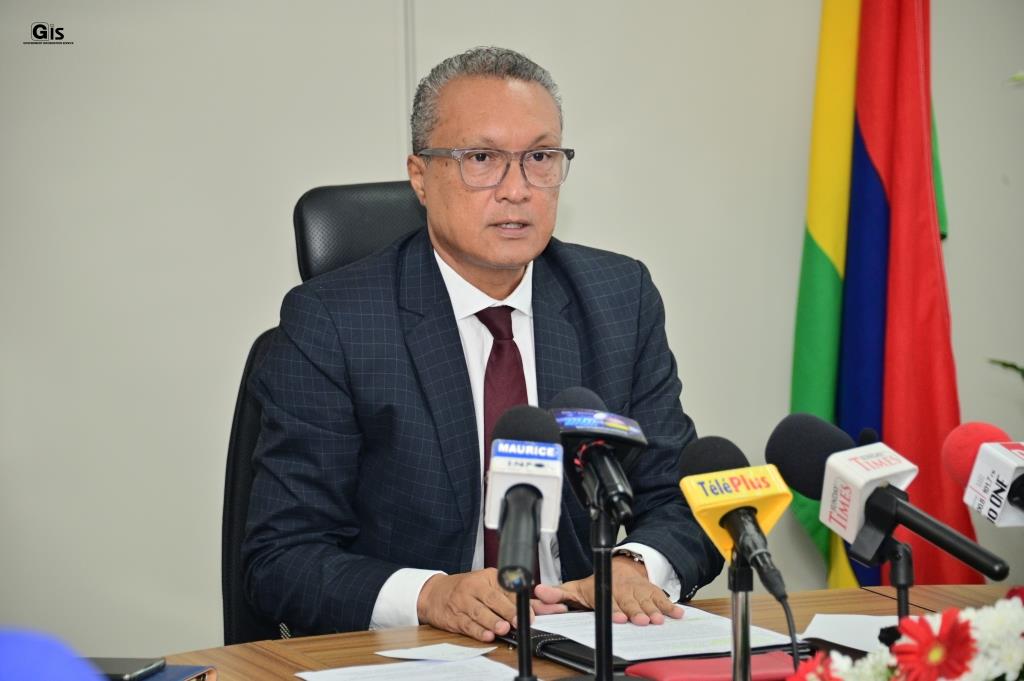
Mauritius has announced an ambitious 405 MW renewable energy and storage pipeline to be rolled out over the next three years, reinforcing its commitment to energy security and decarbonisation. The plan was unveiled by Energy Minister Patrick Gervais Assirvaden, as part of efforts to shield the national grid from global energy market volatility and accelerate progress towards a 60% renewable energy share by 2030.
The pipeline is anchored in solar generation and battery storage, reflecting a strategic shift towards flexible and reliable clean energy systems. A major component includes the deployment of hybrid solar and storage facilities combining 120 MW of solar PV with 100 MW of battery energy storage capacity. These systems are designed to address intermittency challenges and enhance grid stability.
Mauritius is also advancing a floating solar project at the Tamarind Falls Reservoir with planned capacity of between 17.5 MW and 20 MW. The project is being developed in partnership with NTPC Limited, signalling increased international collaboration in the country’s energy transition.
To address peak demand pressures, particularly during evening hours, authorities are deploying an additional 20 MW of battery storage capacity. This system is expected to be operational by July 2026 and will support electricity supply between 18:00 and 21:00 when demand typically surges.
Distributed solar forms another key pillar of the strategy. The government is liberalising rooftop solar installations for households, with systems capped at 10 kW per home. In parallel, Mauritius is set to procure 100,000 residential solar kits with support from the Indian government. A separate 20 MW carbon neutral initiative will target commercial and industrial users, encouraging solar installations across rooftops and parking infrastructure.
Wind and agrivoltaics are also gaining traction. Expansion of the Plaine des Roches wind farm will add between 15 MW and 20 MW of capacity, while the agrivoltaics programme continues to scale, allowing farmers to integrate solar generation with agricultural activities. To date, 18 projects have received approval under this scheme.
The initiative aligns with the national Renewable Energy Roadmap 2030, which includes plans to phase out coal from electricity generation by the end of the decade. Beyond environmental benefits, the programme is expected to deliver significant economic gains, including the creation of around 7,000 jobs. It will also reduce reliance on imported fossil fuels, which currently account for more than 90% of Mauritius’ primary energy supply.
Financing for the transition is being supported through a blended approach involving international development partners and domestic financial institutions. The Abu Dhabi Fund for Development is providing around US$10 million in concessional funding through the IRENA ADFD Project Facility. Meanwhile, Agence Française de Développement is backing the SUNREF programme to enable local banks to offer preferential financing terms.
At the national level, the Development Bank of Mauritius is offering loans for solar PV systems at 2% interest, covering up to 90% of project costs with a ceiling of Rs 350,000. Commercial lenders including Mauritius Commercial Bank and State Bank of Mauritius are also supporting the rollout through green financing products that can cover up to 100% of installation costs, with repayment periods of up to 10 years.
Author: Bryan Groenendaal