- City of Johannesburg advances 25 year waste to energy PPP despite mounting concerns over financial viability and debt exposure.
- Analysts question whether lenders will support the project given the municipality’s worsening cash position and lack of meaningful default protection.
- Critics argue the long delayed project has become political grandstanding ahead of municipal elections later this year.
The City of Johannesburg is pressing ahead with procurement for its long delayed Alternative Waste Treatment Technology (AWTT) project, a proposed 25 year public private partnership aimed at diverting municipal waste from landfill while generating electricity from waste.
The project, which has been in planning for more than a decade, is currently in the Request for Qualification phase as the municipality seeks to appoint a private sector partner to design, build, finance, operate and maintain the facility.
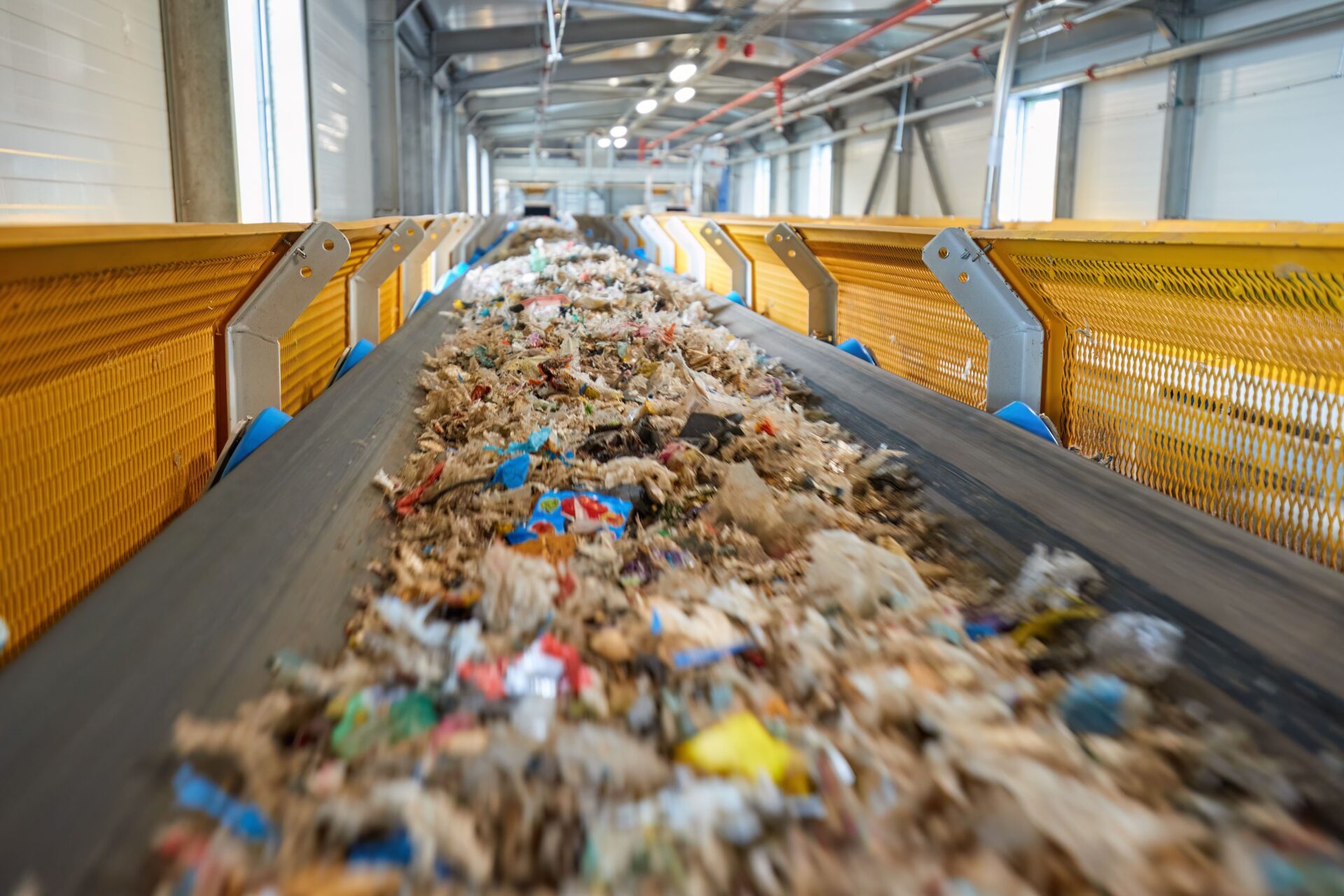
The proposed development includes a Materials Recovery Facility and a mass burn Waste to Energy plant expected to process around 500,000 tonnes of municipal solid waste annually while generating approximately 28 MW of electricity.
Under the structure being proposed, ownership of the facility would revert to the city at the end of the concession period.
The municipality has scheduled a compulsory online briefing session for prospective bidders on May 28, 2026, under RFQ number COJ/EISD001/25-26. Written enquiries are due by June 26, 2026.
Link to the RFQ HERE
The project has received blended finance support commitments including grant funding from Invest International and infrastructure funding support through the Development Bank of Southern Africa’s Infrastructure Fund.
Bankability concerns
Concerns have been raised about whether the project is bankable given Johannesburg’s deteriorating financial position.
The city is effectively bankrupt according to National Treasury, with creditors reportedly owed around R25.2 billion while available cash reserves stand at only R3.9 billion. National Treasury has already intervened amid fears that the municipality’s financial crisis is spiralling out of control. Read more
Finance Minister Enoch Godongwana has reportedly held meetings with Executive Mayor Dada Morero as Treasury pressures the city to rein in what it considers an unsustainable wage bill. Treasury has also threatened to withhold billions of rand in funding should corrective measures not be implemented immediately.
Against this backdrop, questions are mounting over what level of debt default protection or payment security can realistically be offered to investors and lenders considering participation in the AWTT project.
The municipality’s balance sheet weakness significantly undermines the project’s attractiveness to commercial financiers, particularly given the long term concession structure and operational risks associated with waste to energy infrastructure in emerging markets.
Critics also point to the fact that the project has spent more than 10 years in various planning and feasibility stages without reaching financial close.
Is this less about infrastructure delivery and more about political optics ahead of municipal elections later this year, with the project being positioned as a flagship green infrastructure initiative despite severe concerns over municipal governance and fiscal stability.
While Johannesburg continues to frame the AWTT initiative as part of its broader sustainability and landfill diversion strategy, the challenge now facing the city will be convincing investors that the project can achieve financial close in one of the most corrupt and fiscally constrained municipal environments in South Africa.
Author: Bryan Groenendaal