- Partnership targets faster delivery of municipal water, sanitation and waste projects.
- Blended finance and PPPs to unlock private sector capital and expertise.
- Nearly 50% of wastewater plants underperform while over 40% of treated water is lost.
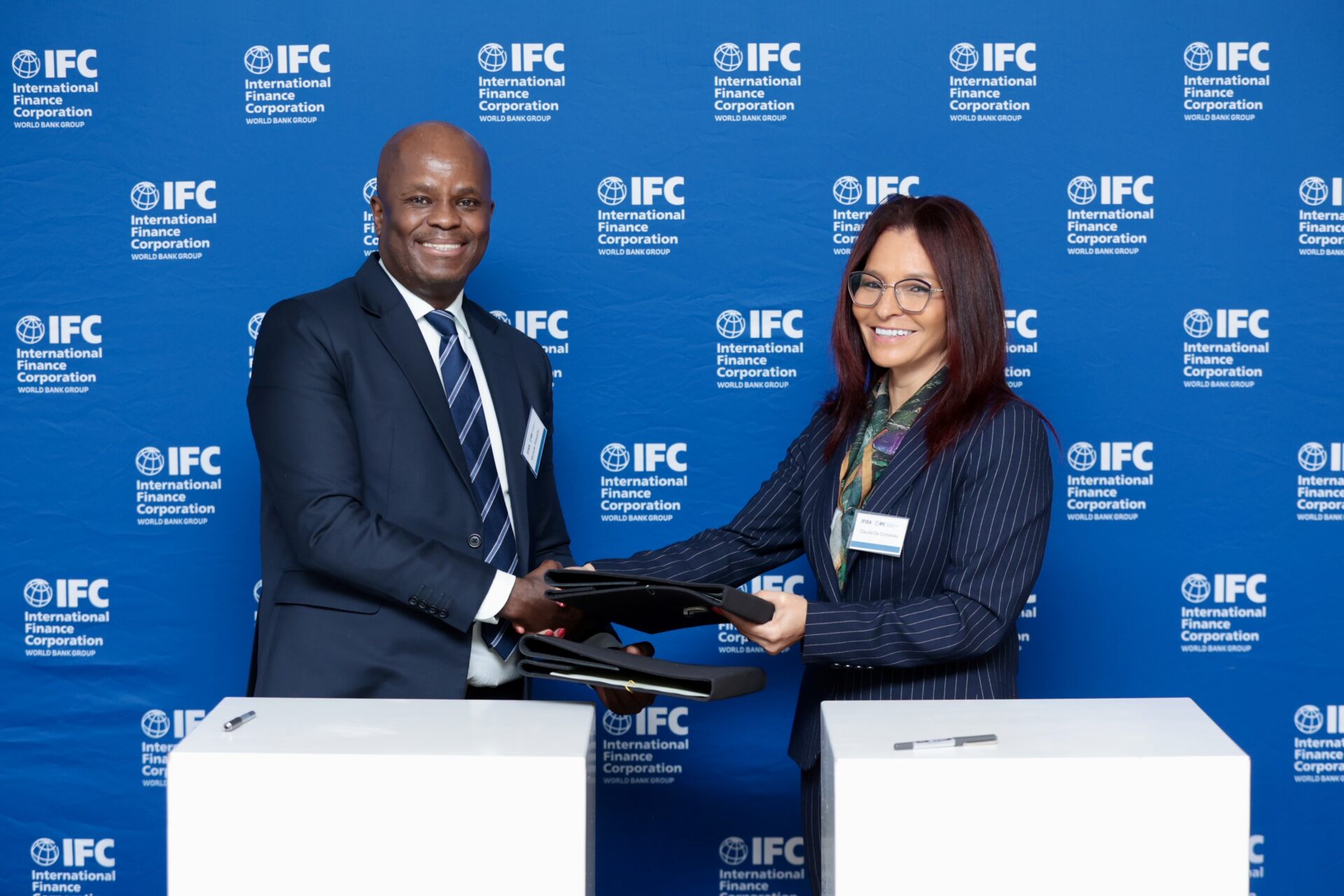
The Infrastructure Finance and Implementation Support Agency and International Finance Corporation have signed a Memorandum of Co-operation to accelerate investment in priority water, sanitation and waste infrastructure across South Africa’s municipalities.
The agreement focusses on strengthening project preparation, improving bankability and fast tracking the delivery of high impact infrastructure. By leveraging blended finance, public private partnerships and other financing models, the partnership aims to mobilise private sector capital and technical expertise to support essential public services.
IFISA will lead project origination, coordination and implementation support within the public sector. Acting head Mohale Rakgate said the partnership represents a step forward in strengthening the country’s infrastructure pipeline and aligning with national development goals to crowd in private investment.
Under the agreement, IFC will support the technical and financial readiness of projects, identify bankable opportunities and strengthen institutional capacity. With backing from the Swiss State Secretariat for Economic Affairs, IFC is already working with IFISA and the Trans-Caledon Tunnel Authority on the uMkhomazi Water Project Phase 1 Raw Water Component, a key initiative aimed at securing long term water supply.
Cláudia Conceição said South Africa faces urgent water challenges as one of the world’s most water scarce countries, adding that the partnership will help expand access to reliable water and sanitation services through stronger project preparation and investment mobilisation.
The agreement comes as South Africa’s water infrastructure faces mounting pressure. The Department of Water and Sanitation 2025 Green Drop Report shows that nearly 50% of municipal wastewater treatment plants are not operating optimally, contributing to pollution risks and environmental degradation.
At the same time, ageing infrastructure has resulted in more than 40% of treated water being lost through leaks, bursts, illegal connections and metering failures, placing additional strain on already limited resources.
By combining institutional capabilities, IFISA and IFC aim to unlock a pipeline of bankable and sustainable projects that improve service delivery, support economic activity and strengthen environmental outcomes across the country.
Author: Bryan Groenendaal