- More than 40 government and industry experts convene in Muscat to address how the region can meet surging electricity demand through resilient and reliable power systems
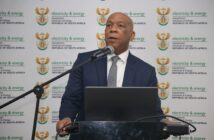
The IEA – in collaboration with the Majan Council for Foresight, Strategic Affairs and Energy – hosted a special workshop in Muscat, Oman, to explore the future of electricity in the Middle East and North Africa (MENA) region. The event, which was co-hosted by Sohar Port and Freezone and supported by the Ministry of Energy and Minerals of Oman, brought together experts from across the region, representing government, industry and academia to assess the evolving MENA electricity landscape, and the technologies and policies needed to meet growing demand while enhancing resilience in power systems.
Energy demand across the MENA region is growing rapidly while the region continues to play a critical role in serving global energy markets, particularly in oil and natural gas production. Over the past two decades, energy consumption in MENA rose at nearly double the global average rate, with electricity demand leading the way. Driven by population growth, rising standards of living and increased demand for cooling, electricity’s share of the region’s energy consumption grew from 12% in 2000 to 17% in 2023.
Since 2010, nearly 90% of electricity demand growth has been met by fossil fuels. Despite having some of the world’s best solar resources, the MENA region continued to have one of the lowest shares of renewables in its power mix. However, momentum is building, with the region’s installed capacity of solar PV and wind more than doubling in the last four years.
With government participants from Oman, Egypt, Iraq, Jordan, Kuwait, Libya and Morocco, and private sector participants from a range of other countries across the region, the workshop consisted of four thematic sessions. These included the outlook for electricity demand in MENA; options for energy efficiency and demand-side management; diversification of energy sources to meeting growing consumption; and future-proofing electricity systems to address rising temperatures, geopolitical challenges and ageing infrastructure.
The workshop provided a platform for regional stakeholders to exchange views and perspectives on the emerging challenges in the power sector and approaches to address them. The outcomes of the one-day event will inform a new IEA special report on electricity in the MENA region, which is set to be published this summer.
Author: Bryan Groenendaal