- Benchmark fixed axis solar LCOE increased 6% year on year to US$39 per MWh in 2025.
- Battery storage costs fell 27% to a record US$78 per MWh, strengthening solar plus storage economics.
- BloombergNEF projects a 30% decline in solar LCOE by 2035 despite short term volatility.
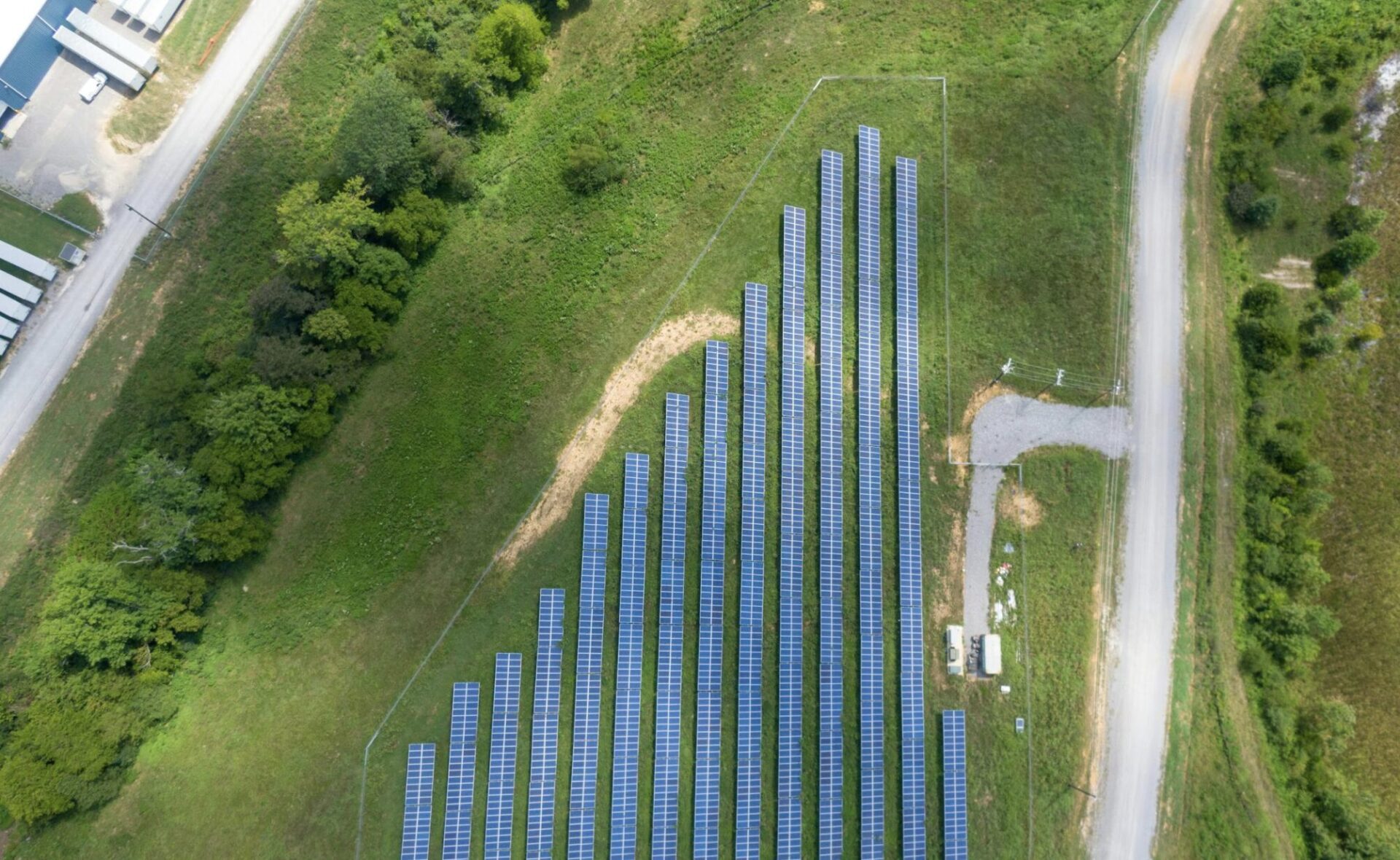
The latest BloombergNEF Levelised Cost of Electricity (LCOE) 2026 report shows that the global benchmark levelised cost of electricity for a typical fixed axis utility scale solar project rose 6% year on year in 2025, reaching US$39 per MWh. In certain regional markets including Australia, benchmark costs are often cited closer to US$55 per MWh due to local market dynamics.
The increase marks a reversal after years of sustained cost declines across the global solar sector. According to BloombergNEF, the uptick was driven by a combination of supply chain constraints affecting critical components, weaker resource availability in selected high growth markets, and structural market reforms in China.
Reforms in mainland China, which had previously supported aggressive manufacturing expansion and global overcapacity, contributed to tighter supply conditions and pricing adjustments. Higher financing costs and rising protectionist measures, including import tariffs in several markets, also weighed on project economics and temporarily stalled the downward trajectory of clean energy costs.
Despite the short term pressure, the long term outlook remains firmly downward. BloombergNEF forecasts that global solar LCOE will decline by 30% by 2035, underpinned by continued technology innovation, manufacturing scale and intensified market competition.
A key supporting trend is the rapid fall in battery storage costs. In 2025, the levelised cost of electricity for battery storage projects dropped 27% to a record low of US$78 per MWh. The decline significantly improves the economics of co located solar and storage assets, particularly in markets seeking dispatchable renewable capacity and grid stability.
Even with the 2025 cost increase, utility scale solar remains highly competitive on a global basis. BloombergNEF data indicates onshore wind at around US$40 per MWh, while offshore wind remains materially higher at approximately US$100 per MWh.
For African developers and independent power producers navigating volatile input costs and evolving policy environments, the report reinforces a clear message. Short term cost fluctuations are unlikely to derail solar’s structural competitiveness, particularly as storage integration accelerates and financing conditions stabilise over the medium term.
Author: Bryan Groenendaal