- South Africa’s Group of 20 (G20) Presidency is placing climate resilience and the Just Energy Transition (JET) at the heart of its global agenda, highlighting the escalating environmental challenges facing developing nations.
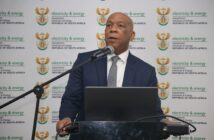
In an interview with the media, South Africa’s G20 Sous Sherpa, Xolisa Mabhongo, emphasised the critical importance of disaster resilience, using recent national experiences as a stark illustration of global climate vulnerabilities.
“If you look at the flooding that happened in the Eastern Cape a few weeks ago, it exactly shows the relevance of the G20 discussions to our national situation. You can extrapolate it into a country, in the African continent, or the developing south, you do realise that there is no ready capacity or enough resources to deal with disaster resilience,“ he said.
“I mean, if you look at KwaZulu-Natal, for example, it’s almost like we are expecting a natural disaster, climate-related, weather-related disaster to come.”
According to recent reports, the death toll in the Mthatha, Eastern Cape floods, now stands at 101, as rescue operations are continuing. While specific commitments were not detailed, he said the talks signalled a growing recognition that climate action requires a fundamental reimagining of global economic and environmental policies.
The G20 Sherpa meeting, which kicked off yesterday, underscored a fundamental shift in approach, recognising that climate change is no longer a future threat but a present reality, particularly for developing countries.
The third Sherpa meeting of the G20 kicked off on Wednesday at the Sun City Resort, focusing on global collaboration, sustainable development, and addressing new international challenges.
Mabhongo, who is also the Deputy Director-General of Global Governance and the Continental Agenda at the Department of International Relations and Cooperation, told journalists that South Africa’s Presidency is advocating for a comprehensive strategy. This strategy aims to go beyond traditional environmental discussions by integrating climate action with economic development.
Mabhongo stated that critical minerals have emerged as a key focal point, with the delegation advocating for a transformative approach to resource extraction.
“We want to stop the old model of exporting raw materials. Our goal is to ensure African countries can benefit from the minerals crucial to green energy transitions, particularly for electric vehicles and renewable technologies,” said Mabhongo.
The attendees also highlighted the JET as a priority, reflecting a nuanced approach that balances environmental protection with economic development. This strategy, he said, aims to create sustainable pathways for countries in the Global South to address climate challenges while maintaining economic growth.
The meeting also addressed the disproportionate impact of climate change on developing nations, with discussions focusing on how the G20 – representing 85% of global gross domestic product (GDP) – can provide meaningful support to the most vulnerable regions.
Author: Bryan Groenendaal