


- A coalition of environmental, human rights, and community organizations has submitted extensive comments highlighting significant issues with Tendele Mining’s Environmental Impact Assessment (EIA) for proposed new mining areas in KwaZulu-Natal.
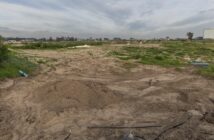
- The developers have already started with civil works at the site.
- The comments were submitted just ahead of the deadline by All Rise on behalf of several groups including the Mfolozi Community Environmental Justice Organisation (MCEJO), Global Environmental Trust (GET), Mining Affected Communities United in Action (MACUA), ActionAid South Africa, South African Human Rights Defenders Network (SAHRDN), African Conservation Trust, and the South African Conservation Fund.
Background:
This EIA and consultation process was ordered by Judge Bam in May 2022 to rectify the gross deficiencies in the original 2016 assessment underpinning Tendele’s mining right. It covers the new mining areas at Emalahleni, Ophondweni, and Mahujini, rural villages in Mpukunyoni, inland of Mtubatuba, northern KwaZulu-Natal.
Key concerns raised include:
- Inadequate public participation process: The coalition reports that while meetings were held, they were “meaningless for sharing the details of the EIA report.” Critical information was omitted, and promises to address concerns in later phases were not fulfilled.
- Apparent bias of the environmental impact assessment practitioner (EAP): The comments highlight numerous instances where the EIA consultants provided information favouring Tendele Mining that directly contradicted specialist reports and which downplayed adverse impacts on the community.
- Misleading and incorrect information in the EIA report: Multiple discrepancies between the EAP’s statements and specialist findings were identified, particularly regarding public participation, environmental impacts and mitigation.
- Contradictions on impact significance: The EAP claimed that mitigation measures would reduce all impacts to minor or negligible significance. However, the Impact Assessment Summary table shows that even after mitigation, the majority are high or medium.
- Underestimation of impact zones: Specialist studies on blasting, noise, air quality, and visual impacts indicate that severe effects will extend beyond the 500m relocation zone, potentially affecting residents up to 4 km away.
- Lack of proper relocation planning: Despite claims to the contrary, there is no Relocation Action Plan for Emalahleni and Ophondweni. The coalition reports that many residents, including the elderly, are experiencing significant psychological trauma due to relocation pressures contrary to the EAP which states that their needs have been taken into account.
Specific Examples of Misleading Information:
– Acid Generation Potential: The EAP stated that overburden lithologies are generally non-potentially acid generating (PAG). However, the geohydrological specialist report explicitly states that the rock to be mined is “highly likely to fall within the Type/Class I category (potentially acid generation (PAG) rock).”
– Blasting Impacts: The EIA report claims unpleasant ground vibration levels may occur within 800m of residential structures. The specialist report actually states this distance as up to 4 km. Similarly, the EIA downgraded the significance of fly rock risks from “High” in the specialist report to “Medium” without justification.
” The EIA report contains numerous inaccuracies and omissions that appear to downplay the project’s environmental and social impacts – it is a classic sweetheart report,” said Janice Tooley, Director of All Rise. “We are deeply concerned about the integrity of this process and its ability to protect the rights and well-being of affected communities and the environment.”
“The entire EIA process from the time of Bam J’s judgment to date, has been typical of Tendele’s dismissive and disrespectful approach to the community. The Scoping and EIA have been done in a way to present a voluminous paper trail of compliance but without any meaningful attempt to right the wrongs of the past or any attempt to meaningfully engage with the people whose lives will change irrevocably now and forever. We and our clients have done everything possible to guide Tendele and the EAPs onto the path that follows legal compliance and ethical public participation. They have fought us every step of the way.” Kirsten Youens, All Rise
The organizations are calling for a comprehensive review and revision of the EIA to address these shortcomings before any decisions are made on expanding Tendele’s mining operations.
Source: ALL RISE
ALL RISE is a non-profit organisation and registered law clinic for climate and environmental justice based in KwaZulu-Natal



1 Comment
Pingback: Looking Back on 2024 - All Rise