- Johanna Boothey takes over as ExxonMobil Mozambique lead country manager and chairperson, succeeding Liam Mallon.
- Appointment comes as the US$30 billion Rovuma LNG project moves toward a final investment decision expected later this year.
- Security conditions in Cabo Delgado remain a key consideration despite renewed momentum for LNG development.
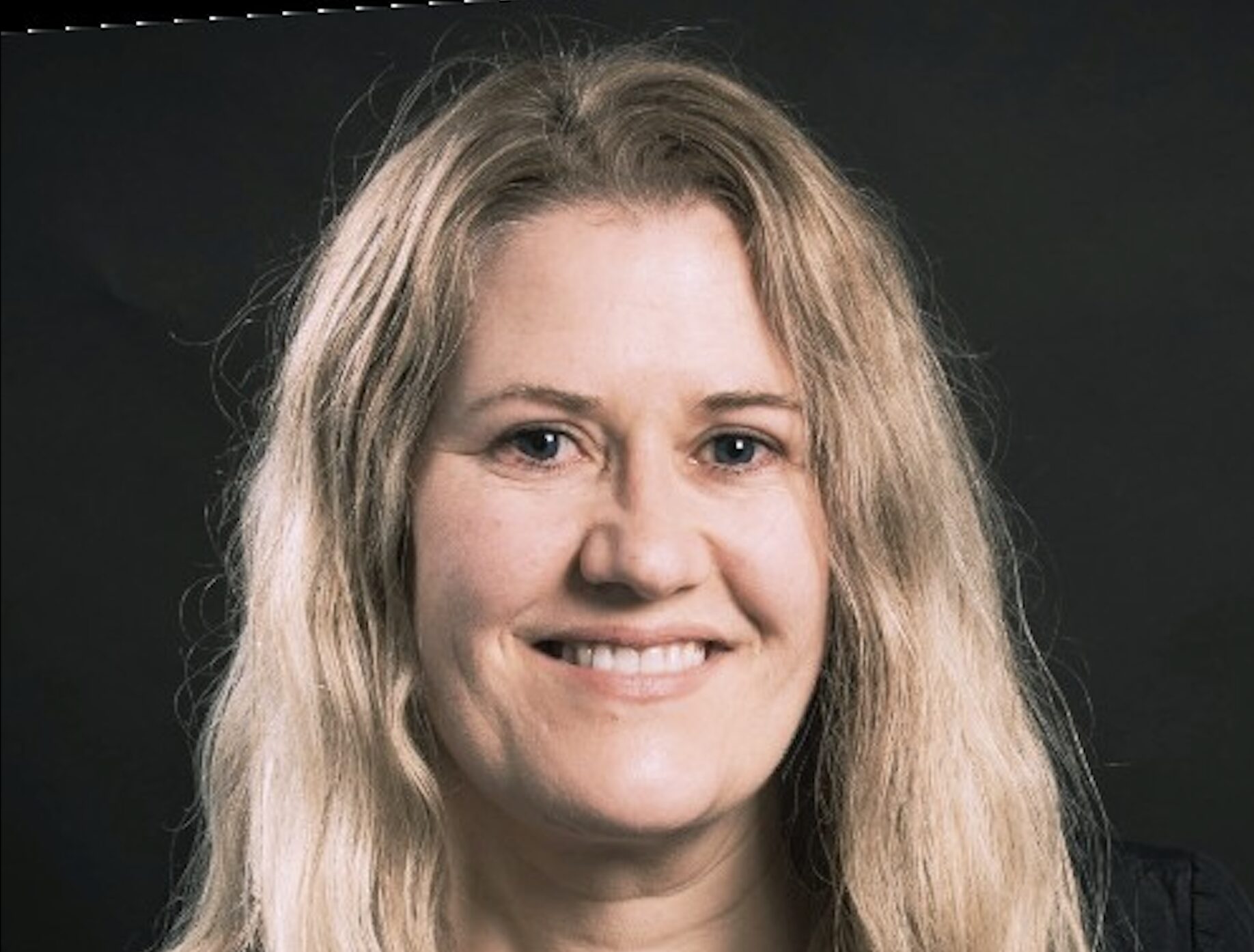
US energy major ExxonMobil has appointed Johanna Boothey as lead country manager and chairperson of its Mozambique business, placing an experienced LNG executive at the helm as the company advances preparations for the long awaited Rovuma LNG development.
Boothey succeeds Liam Mallon and assumes leadership at a pivotal stage for ExxonMobil’s operations in Mozambique. The appointment comes as the company works toward a final investment decision on the US$30 billion Rovuma LNG project, one of Africa’s largest planned natural gas developments.
The project has regained momentum following the lifting of a force majeure that had been in place for several years due to security concerns in Mozambique’s northern Cabo Delgado province. ExxonMobil and its partners are now progressing plans to unlock the country’s vast offshore gas resources and strengthen Mozambique’s position as a major global LNG supplier.
Boothey brings more than 30 years of experience in the energy sector to the role. Most recently, she served as development manager for ExxonMobil Papua New Guinea, where she played a key role in advancing major LNG expansion projects.
The Rovuma LNG project is being developed through the Mozambique Rovuma Venture consortium, which holds a 70% interest in the Area 4 concession. The consortium includes ExxonMobil, Italy’s Eni and China’s CNPC. Under the partnership structure, ExxonMobil is responsible for the construction and operation of the LNG liquefaction facilities, while Eni oversees upstream operations.
Other partners in the project include Galp with a 10% stake, Kogas with 10%, and Mozambique’s state owned Empresa Nacional de Hidrocarbonetos with 10%.
Once operational, Rovuma LNG is expected to produce 18 million tonnes of LNG annually through two liquefaction trains located at the Afungi industrial complex in northern Mozambique.
Security
Despite renewed progress, security remains a critical factor for investors and project developers. Cabo Delgado continues to experience an insurgency linked to Islamic State Mozambique, with armed groups increasingly relying on asymmetric tactics including ambushes on key transport corridors and attacks on rural communities.
Insurgents have also diversified their funding sources through kidnapping for ransom, extortion at illegal checkpoints and control of informal mining activities. Violence remains concentrated in districts such as Macomia, Mocímboa da Praia, Palma and Quissanga, with occasional incursions reported in neighbouring provinces.
To strengthen security around strategic energy infrastructure, Rwanda has expanded its military deployment in Cabo Delgado. The Rwandan Defence Force continues to play a central role in protecting key economic zones, including Palma and Mocímboa da Praia, which are critical to Mozambique’s LNG ambitions.
The Mozambican government has also introduced direct funding arrangements with Kigali to support the continued deployment of Rwandan forces, while pursuing broader international security cooperation aimed at reassuring investors and safeguarding major energy projects.
The conflict continues to have significant humanitarian consequences. More than 95,000 people have been displaced during recent waves of violence, adding pressure to already stretched local communities and aid organisations. Human rights groups have reported ongoing concerns including child abductions, forced recruitment and restrictions on civilian movement.
Humanitarian agencies are also grappling with funding shortages, having secured only a portion of the UN’s US$348 million Humanitarian Needs and Response Plan for the region. Aid delivery remains challenged by insecurity and recurring damage to infrastructure caused by seasonal flooding.
As Mozambique prepares for a potential final investment decision on Rovuma LNG, Boothey’s appointment signals ExxonMobil’s commitment to advancing one of Africa’s most strategically important energy projects while navigating the complex security and humanitarian landscape in the country’s north.
Author: Bryan Groenendaal