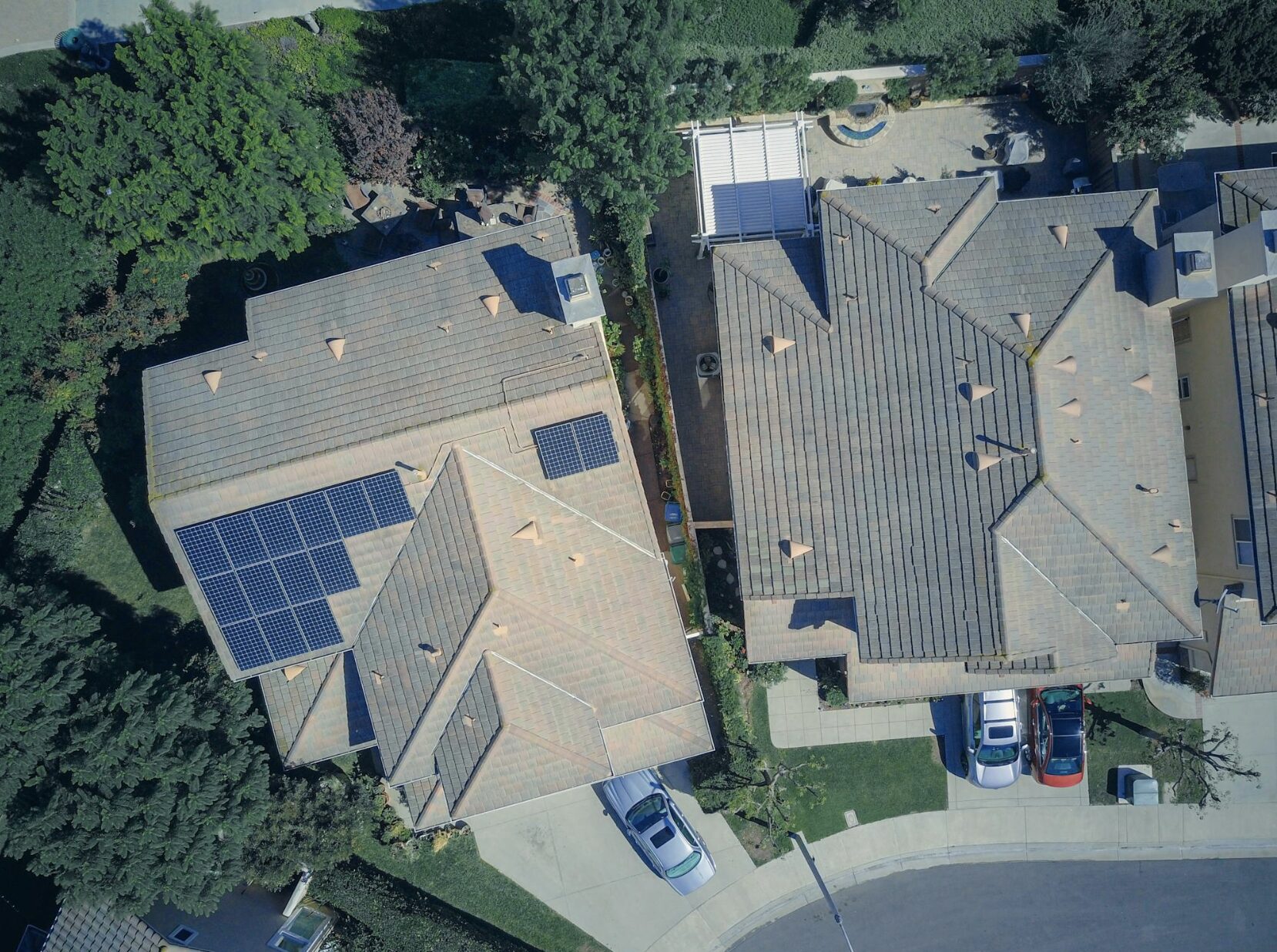
- Confusion grows ahead of 31 March 2026 deadline as households delay solar registration.
- Parallel compliance requirements from Eskom and municipalities raise cost and legal concerns.
- OUTA warns against duplication of national standards and urges consistent regulation.
As the 31 March 2026 deadline for registering residential solar PV and battery energy storage systems approaches, uncertainty is slowing compliance among South African households, raising broader concerns across the energy sector.
According to the Organisation Undoing Tax Abuse (OUTA), low registration uptake is not due to resistance from consumers but rather confusion caused by inconsistent and overlapping requirements introduced by Eskom and several municipal electricity distributors.
The organisation has flagged the emergence of parallel compliance processes that apply to systems installed behind the meter on private property. These additional requirements, it argues, duplicate existing national regulations that already govern safety and technical standards for electrical installations.
Wayne Duvenage, Chief Executive Officer of OUTA, said households are effectively being required to comply twice for the same system, describing the approach as regulatory overreach rather than legitimate oversight.
South Africa’s regulatory framework already mandates that solar installations meet defined safety and technical standards and be certified through a valid Certificate of Compliance issued by a registered electrical contractor. Industry stakeholders note that any additional requirements should align with existing legislation rather than duplicate or override it.
The current lack of alignment between Eskom and municipal processes has resulted in fragmented implementation, increasing compliance costs and creating uncertainty for residential solar investors.
This comes at a time when households are accelerating investment in distributed energy solutions to improve energy security and reduce pressure on the national grid. Market observers warn that inconsistent regulatory signals risk undermining this momentum.
OUTA maintains that safety oversight remains critical but stresses that regulatory measures must be lawful, consistent and supportive of energy transition objectives.
The organisation advises homeowners to work with accredited installers and ensure systems are certified with a valid Certificate of Compliance recognised by the Department of Employment and Labour. Such certification, it says, provides lawful proof that installations meet all required safety and technical standards.
OUTA further notes that systems which do not export electricity to the grid and where homeowners do not seek compensation for excess generation may not require additional registration beyond existing legal requirements. However, where systems both import from and export electricity to the grid and compensation is sought, registration with the relevant electricity provider remains necessary.
In cases where compliant households face disconnection threats, OUTA recommends that such actions be challenged and that legal advice be sought where enforcement appears inconsistent with the law.
Industry stakeholders continue to emphasise that the solution lies not in expanding administrative processes but in ensuring clear, consistent and technically sound regulation that enables safe solar adoption while protecting consumer rights.
Author: Bryan Groenendaal