- 7% annual wage increase agreed for three years from July 2026.
- Deal covers more than 75% of workforce despite union deadlock.
- Rising labour costs and R362.7 billion debt keep utility under pressure.
Eskom has concluded a three year wage agreement with the majority of labour unions following negotiations within the Central Bargaining Forum, providing a measure of labour stability as the utility continues its financial and operational recovery.
The agreement, signed by the National Union of Mineworkers and Solidarity, covers more than 75% of employees in the bargaining unit and is binding across the workforce, including members of the National Union of Metalworkers of South Africa, which did not sign and has declared a deadlock.
The deal provides for a 7% annual salary increase over a three year period starting 1 July 2026. Eskom said the multi year framework supports cost predictability and reduces volatility linked to annual wage negotiations, reinforcing operational stability at a critical stage in its turnaround.
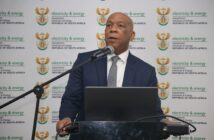
Group Chief Executive Dan Marokane said the agreement enables the utility to focus on execution and delivery while maintaining a stable labour environment. He added that employees remain central to building a resilient organisation capable of attracting future investment.
Chief People Officer Candice Hartley said the agreement aligns with Eskom’s cost discipline strategy, supported by the Cost Optimisation and Revenue Enhancement programme, which targets R112 billion in savings over five years through efficiency gains and improved asset utilisation.
The wage deal comes as Eskom faces continued scrutiny over rising employee costs and its broader financial position. The utility reported that average cost per employee increased to R1.026 million in FY2025, up 12.4% year on year, driven by wage adjustments and the reinstatement of performance incentives.
While Eskom maintains that pay levels vary significantly across roles, with bargaining unit salaries ranging from about R221,699 to R595,410 annually, senior technical staff earn more than R1 million per year, adding to public debate over remuneration.
The pressure is compounded by Eskom’s reliance on government support. The utility has benefited from a R254 billion debt relief package, including R40 billion in advances and a planned R70 billion loan takeover in FY2026. Despite these measures, total debt remains elevated at about R362.7 billion.
Although Eskom recently posted its first profit in several years, analysts caution that the improvement is closely linked to state intervention. Municipal arrears of roughly R110 billion continue to weigh on cash flow and limit financial flexibility.
At the same time, Eskom has been certified as a Top Employer for 2026 for the second consecutive year, reflecting progress in workplace practices and organisational culture. Management has positioned the recognition as evidence of a more sustainable and future ready business.
However, industry observers note that restoring investor and public confidence will depend on tighter alignment between remuneration, operational performance and the utility’s ability to reduce dependence on taxpayer support.
Author: Bryan Groenendaal