- Eskom has finalised a 62 c/kWh electricity tariff for Samancor Chrome and Glencore Merafe ferrochrome smelters, pending regulatory approval by NERSA.
- Agreements form part of a medium term negotiated pricing framework aimed at stabilising industrial demand and improving Eskom liquidity.
- South Africa’s ferrochrome industry faces major cost pressure as electricity tariffs remain far above globally competitive levels.
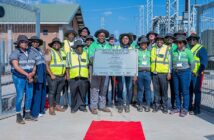
Eskom has concluded negotiated electricity tariff agreements at 62 c/kWh with Samancor Chrome and the Glencore Merafe Chrome joint venture, marking a key milestone in its smelter support strategy as the utility seeks to balance industrial competitiveness with financial sustainability.
The agreements have been submitted to the National Electricity Regulator of South Africa for approval, with all terms subject to regulatory authorisation and standard public consultation processes. Eskom noted that detailed commercial arrangements will remain under regulatory oversight in line with confidentiality requirements applicable to both industrial partners.
According to Eskom, the tariff intervention is designed to strengthen liquidity without increasing overall tariffs, requiring additional borrowing, or placing further pressure on government support mechanisms. The utility also highlighted that the structure provides predictable demand over a period of up to five years, supporting revenue stability while safeguarding long term industrial electricity consumption.
Eskom Group Chief Executive Dan Marokane said the outcome reflects the importance of the utility’s operational recovery over the past three years, which has restored more stable baseload generation capacity. He added that collaboration between Eskom, government, labour and industry remains critical to balancing financial sustainability with the need to support energy intensive sectors that underpin economic activity and employment.
The negotiated pricing framework forms part of an amended approach to Negotiated Price Agreements that allows Eskom to structure tariffs on a case by case basis for large industrial users. The utility said this model enables pricing to reflect production costs, electricity intensity and exposure to global commodity cycles, rather than applying uniform tariff structures across all smelters.
Eskom said the ferroalloy and iron and steel segments will be prioritised due to sustained pressure from global markets, rising input costs and structural competitiveness challenges. The approach is intended to prevent both excessive support that could distort competition and insufficient support that could lead to asset closures and job losses.
The policy intervention comes at a critical time for South Africa’s ferrochrome sector, which has experienced a sharp decline in output over the past two decades. The country holds around 72% of global chrome reserves but now accounts for only about 19% of ferrochrome production, down from more than 50% previously. Industry estimates suggest that between 30,000 and 68,000 direct and indirect jobs remain linked to the value chain, alongside more than R100 billion in annual export earnings.
Electricity pricing remains the central constraint. Industry participants argue that globally competitive ferrochrome production requires tariffs of about 62 c/kWh, compared with average South African electricity prices of approximately R1.96/kWh. This gap has contributed to the closure of smelting capacity and increased exports of raw chrome ore rather than higher value processed ferrochrome.
A recent industry analysis titled To Save or Not to Save SA’s Ferrochrome Smelters and Eskom, warns that without intervention, South Africa risks further deindustrialisation of the sector, with production shifting to jurisdictions that offer lower electricity costs or indirect subsidies. China has already become the dominant global processor of chrome ore, relying heavily on imports from South Africa.
At the same time, Eskom faces its own structural risks if large industrial customers reduce consumption or invest in self-generation alternatives such as solar PV and battery storage. Analysts caution that a rapid decline in smelter demand could undermine Eskom’s revenue base and deepen financial pressures on the utility.
The analysis outlines several policy pathways, including direct electricity support, renewable energy transition models, and structural reforms to Eskom itself. It estimates that sustained electricity subsidies could cost between R18 billion and R27 billion per year, while a renewable energy and storage transition for smelters could require total investment of around R157 billion, with a significant portion potentially sourced from the public sector.
The study also suggests that renewable based supply could become competitive by around 2030, aligning with planned coal plant retirements and broader decarbonisation trends. It further argues that any industrial support should be linked to progress in structural reforms such as Eskom unbundling and the establishment of an independent transmission entity.
Eskom stated that the current framework is intended as a medium-term solution of up to five years, designed to stabilise key industrial demand while broader reforms in the electricity sector continue to evolve. The utility added that collaborative engagement with government and industry will remain essential to ensuring long term sustainability for both the power system and energy intensive industries.
The ferrochrome sector intervention is expected to form part of wider policy discussions on industrial competitiveness, electricity pricing reform and South Africa’s long term energy transition strategy.
Author: Bryan Groenendaal