- OUTA says the Eskom and City of Johannesburg intervention signals a shift away from broad electricity supply interruption threats affecting paying customers.
- The organisation says residents and businesses should not become collateral damage for years of municipal financial mismanagement.
- OUTA is requesting full transparency on the intervention agreement, including debt recovery, accountability and revenue management measures.
The Organisation Undoing Tax Abuse (OUTA) says the reported intervention agreement between Eskom and the City of Johannesburg marks an important shift away from proposals that could have unfairly penalised paying residents and businesses through broad electricity supply interruptions.
The development follows mounting public concern that compliant electricity customers could face power disruptions despite continuing to pay their municipal accounts while the City’s debt to Eskom continued escalating.
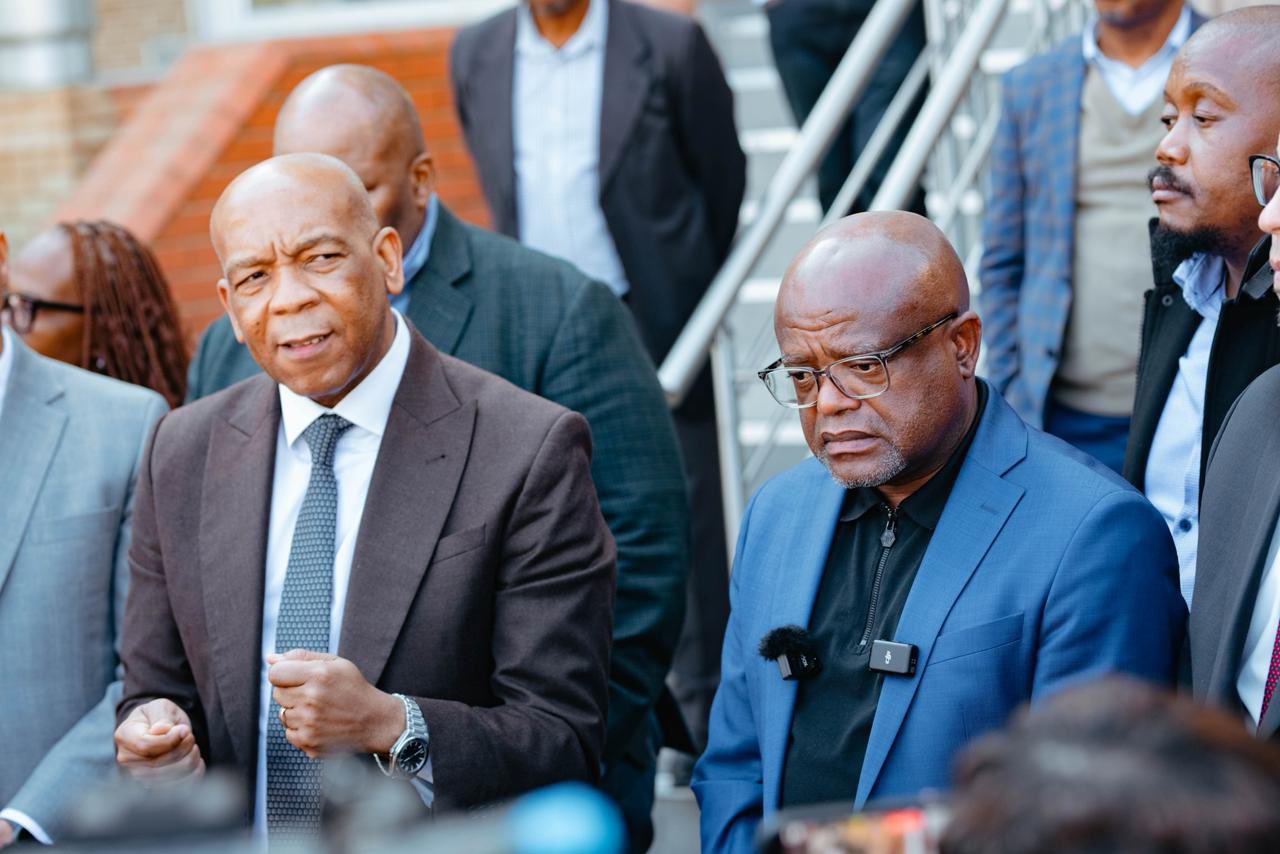
OUTA Executive Manager Julius Kleynhans said the latest approach appears more practical than earlier threats of widespread supply interruptions.
“Johannesburg residents and businesses cannot continue becoming collateral damage for years of municipal financial mismanagement and governance decline,” said Kleynhans. “The fact that government is now publicly acknowledging that paying residents cannot carry the consequences of municipal failure marks an important shift.”
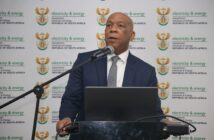
The organisation pointed to recent comments by Minister of Electricity and Energy Kgosientsho Ramokgopa, who acknowledged that many residents continue paying for electricity and should not suffer because of failures within the City’s administration.
“There are a lot of customers who are paying and I think it would be particularly unfair for those customers to be collateral damage, so we need to find a solution,” Ramokgopa said following discussions around the agreement.
OUTA said the latest developments reflect increasing pressure on Eskom and government to identify alternative debt recovery mechanisms instead of implementing blanket electricity supply restrictions.
Earlier this week, the organisation proposed that Eskom should consider recovering its portion of electricity revenue directly from municipal billing streams until Johannesburg’s debt position stabilises.
“We have consistently argued that Eskom has every right to recover money owed to it, but that this must happen in a manner that protects residents and businesses who are already paying,” said Kleynhans. “There now appears to be movement toward a more practical solution that focuses on accountability and revenue recovery rather than punishing residents.”
OUTA cautioned that the effectiveness of the intervention will depend on the details of the agreement and the enforcement mechanisms attached to it.
“The details of this agreement are absolutely critical,” said Kleynhans. “South Africans have heard many announcements and turnaround plans before, yet the financial and governance position within Johannesburg has continued deteriorating.”
The organisation confirmed that it has formally requested access to the agreement in order to assess the proposed debt recovery framework, revenue management systems and accountability measures.
Advocate Stefanie Fick, Executive Director of OUTA’s Accountability Division, said transparency would be essential to restoring public confidence.
“There needs to be transparency around how this process will work, what safeguards will be put in place, how revenue will be managed going forward, and what consequences will apply if obligations are not met,” said Fick.
OUTA added that the situation highlights broader concerns previously raised by National Treasury, residents and civil society organisations regarding Johannesburg’s deteriorating financial position and declining service delivery.
“Ultimately, this is not just about Eskom debt,” said Fick. “It is about restoring financial discipline, accountability and public confidence in the City’s ability to manage essential services responsibly.”
Fick added that Johannesburg’s governance and financial challenges would not be resolved through political announcements alone and that any Eskom intervention must include binding conditions and meaningful consequences for non compliance.
Author: Bryan Groenendaal