- Project aims to deliver 206MW of renewable electricity to the Democratic Republic of the Congo and Burundi.
- Government reaffirms strategic importance for eastern Congo’s energy security and industrial growth.
- Environmental management and regional cooperation seen as key to long term success.
The Government of the Democratic Republic of the Congo and TotalEnergies have held high level discussions on advancing the 206MW Ruzizi III hydropower project, a major regional energy initiative expected to strengthen electricity supply in eastern Congo.
Deputy Prime Minister and Minister of National Economy Daniel Mukoko Samba met a delegation from TotalEnergies in Kinshasa to review progress on the project. The company delegation was led by Ronan Masseron, Country Chair for the Africa Division in the Great Lakes region, together with Baba Moussa Diallo, Managing Director of TotalEnergies Marketing DRC.
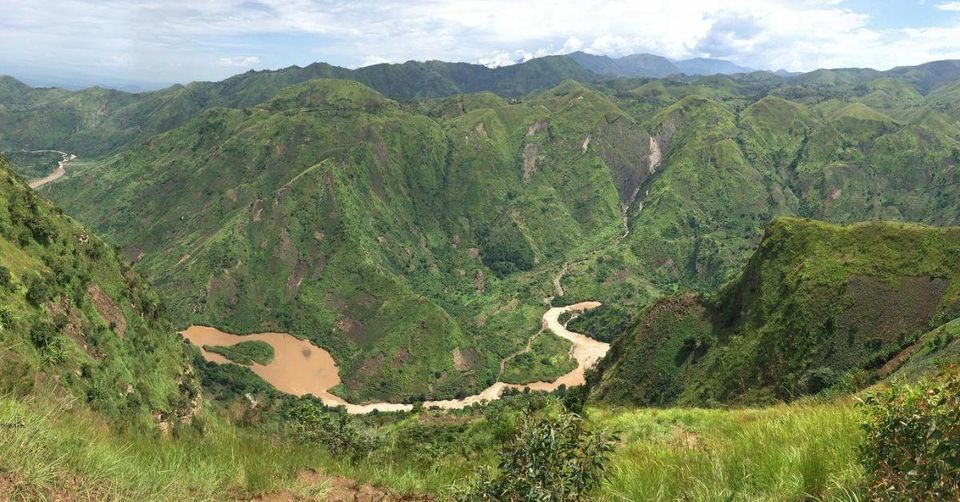
The meeting focused on the development of the Ruzizi III hydropower plant on the Ruzizi River, which forms part of a regional power generation scheme designed to supply renewable electricity to both the Democratic Republic of the Congo and Burundi.
Once operational, the project is expected to strengthen energy security in eastern DRC while supporting industrial development, economic activity and urban growth in the region.
During the discussions, TotalEnergies representatives provided an update on project progress and highlighted a number of technical and administrative challenges that must be addressed to accelerate implementation. The company also outlined opportunities to advance the development within a regional context that is seeing improving stability and stronger economic cooperation across the Great Lakes region.
Mukoko Samba reaffirmed the strategic importance of the Ruzizi III project for the Congolese economy and reiterated the government’s commitment to facilitating progress. He indicated that concerns raised during the meeting would be communicated to the relevant authorities so that outstanding issues can be reviewed and resolved.
Beyond its economic potential, the project also carries significant environmental considerations. Hydropower remains one of the most important sources of renewable energy, but large dams can affect aquatic ecosystems, alter river flows and impact nearby communities if mitigation measures are not carefully implemented.
Energy and environmental specialists note that the long term viability of the project will depend on robust environmental impact assessments, transparent governance structures and fair compensation mechanisms for communities affected by construction and reservoir development.
Observers say the Ruzizi III project reflects the complexity of large scale infrastructure initiatives that must balance economic growth, technical feasibility and environmental sustainability.
If successfully delivered, the scheme could become an important model for regional energy cooperation in the Great Lakes region and demonstrate how renewable electricity projects can support economic development while maintaining responsible environmental management.
Author: Bryan Groenendaal