- Lifecycle operating costs for green ammonia are expected to be 5–6% lower than LNG by 2050.
- Early production scaling and emerging regulatory frameworks are key drivers for competitiveness in shipping fuels.
A new study by marine engine maker WinGD and green fuel provider Envision Energy suggests that green ammonia produced in China could achieve cost parity with VLSFO and LNG within this decade. The report points to faster-than-expected convergence, with green ammonia projected to have a 5–6% lower lifecycle operating cost than LNG by 2050.
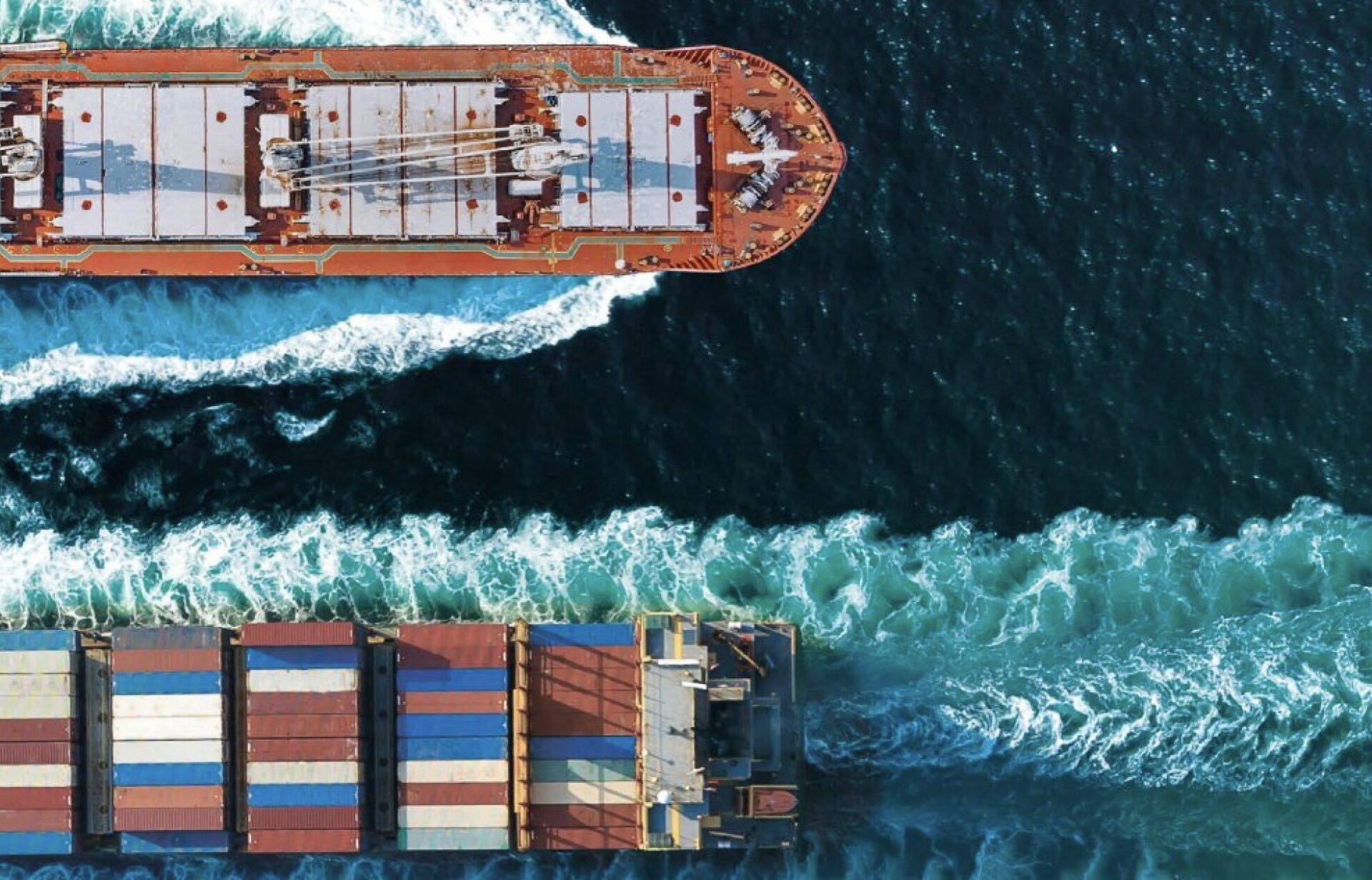
The Renewable Fuel Economics report, commissioned by CSSC Group-controlled WinGD, analyses operating expenses for a 16,000-teu container ship and a 210,000-dwt bulk carrier on a China-Australia voyage. The study uses verified lifecycle emissions factors and current estimated bunkering prices along the Chinese coast.
Green ammonia production will be powered by a new solar and wind plant in Inner Mongolia, producing green hydrogen on-site for conversion into ammonia and other renewable fuels. The first phase will deliver 320,000 tonnes annually, with exports starting in the fourth quarter of this year. Production is set to scale to 1.5 mtpa by 2028, with fuel trucked to Chinese ports for bunkering.
WinGD will deploy its first ammonia dual-fuel engine on a 46,000-cbm LPG/ammonia carrier for Exmar LPG in the first half of this year, followed by larger engines for 210,000-dwt bulk carriers in China. While current costs for green ammonia remain three times higher than VLSFO, the study predicts that costs will fall below VLSFO between 2029 and 2036 and below LNG from 2029 to 2050.
The report also notes that e-LNG and green methanol remain significantly more expensive to produce than green ammonia, requiring additional incentives to compete.
Frank Yu, senior vice president at Envision, said AI-driven optimisation at the Chifeng facility has already brought green ammonia to a tipping point where it competes with VLSFO and LNG. “As we further scale these intelligent technologies, green ammonia will become the most practical and cost-effective choice for the next generation of shipping,” he added.
WinGD CEO Dominik Schneiter emphasised the role of real fuel pricing, engine performance, and emissions data in demonstrating the commercial viability of green fuels. He noted that with global policy in flux, now is the moment for the shipping industry to adopt existing decarbonisation solutions.
Link to the full report HERE
Author: Bryan Groenendaal