- Cumulative power storage installed capacity reaches 164.3GW in China, share of pumped storage falls below 40% for the first time.
- According to incomplete statistics from the China Energy Storage Alliance (CNESA )DataLink Global Energy Storage Database, as of the end of June 2025, China’s cumulative installed capacity of power storage reached 164.3GW, a year-on-year increase of 59%.
This year marks the final year of the “14th Five-Year Plan.” Compared with the end of the “13th Five-Year Plan,” significant changes have occurred in the structure of storage technology routes. The share of pumped storage has fallen below 40% for the first time, while new energy storage represented by lithium-ion batteries has achieved leapfrog growth. In addition, single-technology routes are accelerating toward diversification.
Cumulative Installed Capacity of New Energy Storage Surpasses 100GW for the First Time
As of the first half of 2025, China’s cumulative installed capacity of new energy storage reached 101.3GW, a year-on-year increase of 110%, surpassing 100GW for the first time. The cumulative installed capacity is 32 times that at the end of the “13th Five-Year Plan.”
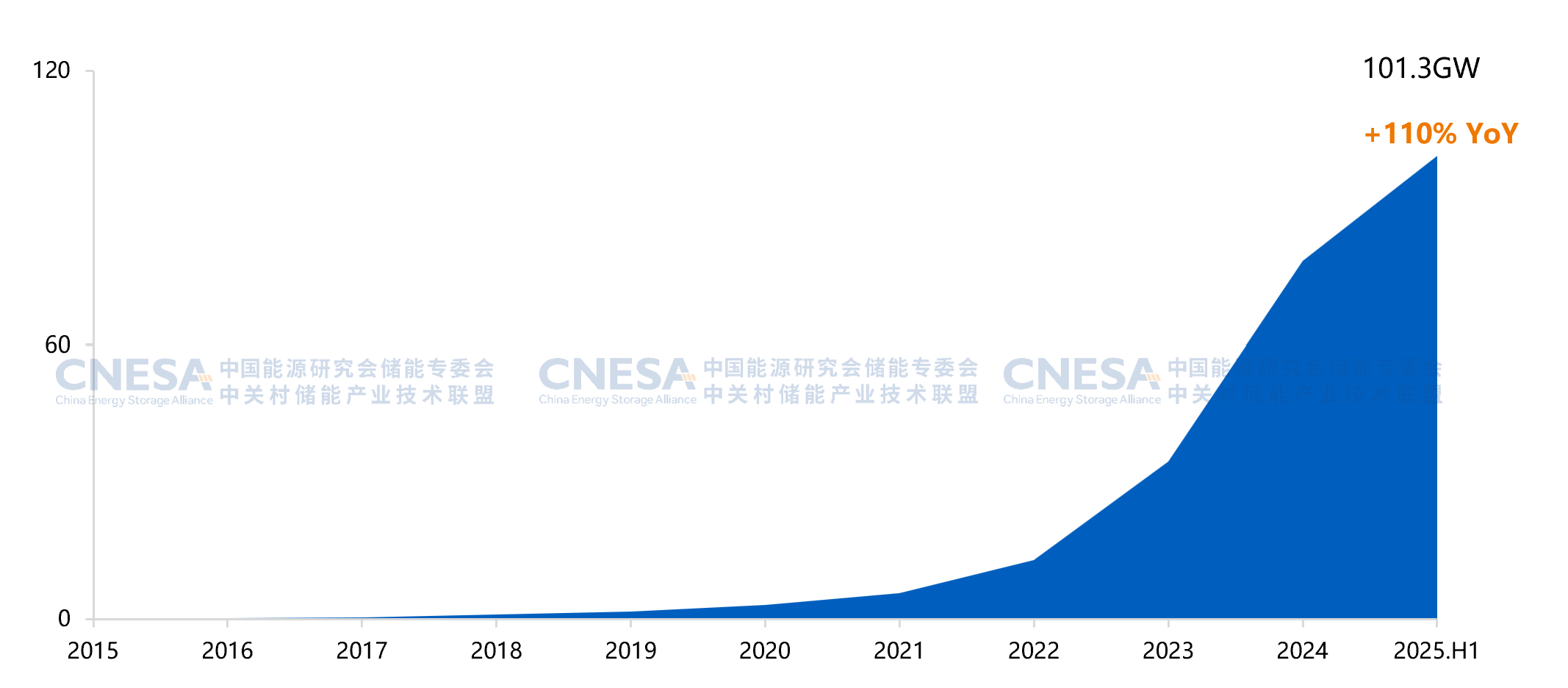
Figure 2: Cumulative Installed Capacity of New Energy Storage in China (Unit: GW)
New Energy Storage Added 23.03GW/56.12GWh
In the first half of 2025, newly commissioned new energy storage projects reached 23.03GW/56.12GWh, with both power and energy scales increasing 68% year-on-year. Due to policy adjustments, project grid-connection timelines shifted earlier to “5·31.” In May, new installations hit a record monthly high of 10.25GW/26.03GWh, a year-on-year increase of 462%/527%.
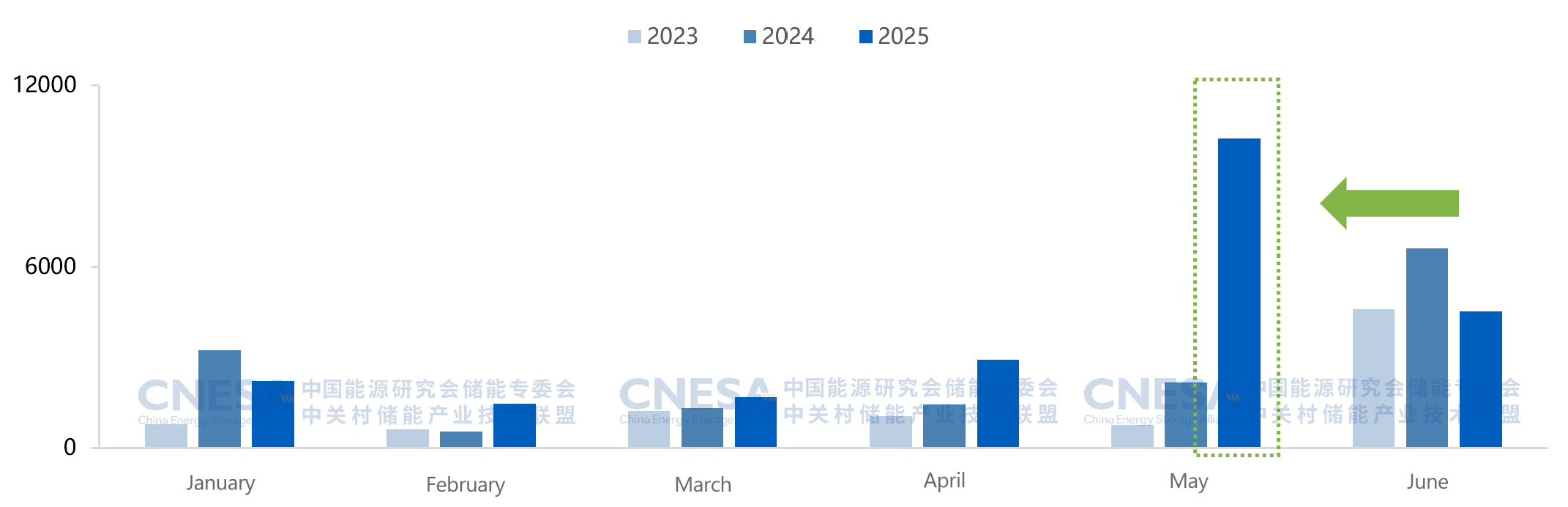
Figure 3: Comparison of Monthly New Installations of New Energy Storage in China (2023-2025.H1, Unit: MW)
Looking to the future, CNESA forecasts that by 2030, China’s cumulative installed capacity of new energy storage will reach 236.1GW in a conservative scenario and exceed 291GW in an ideal scenario, with a compound annual growth rate of over 20% in the next five years. With the expansion of new scenarios such as desert-Gobi-wasteland large bases, zero-carbon parks, and virtual power plants, as well as collaborative innovation in materials, structures, and intelligent technologies, new energy storage will play a more central role in ensuring power security and achieving the “dual carbon” goals.
Author: Bryan Groenendaal