- With funding from The Mitigation Action Facility, UNIDO, in partnership with Guidehouse Germany and South Africa’s Industrial Development Corporation, is developing a new project to support the decarbonization of South Africa’s steel sector.
- This project aims to catalyse industrial transformation through technical assistance, policy support, and blended finance mechanisms.
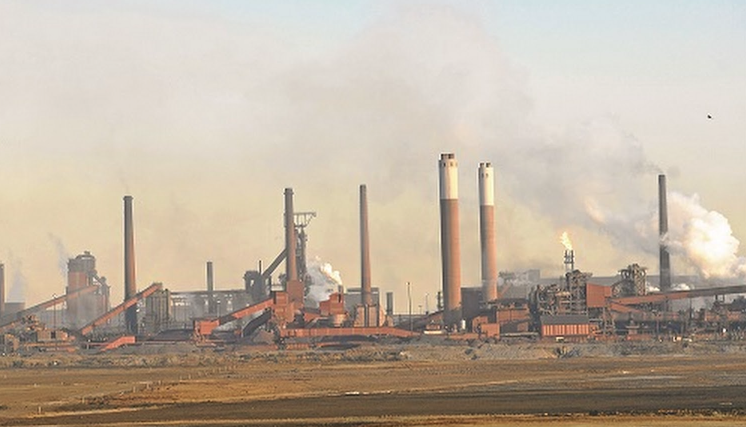
South Africa is the second largest steel producer in Africa after Egypt. The sector is strategically important in supplying materials to key domestic and export markets including automotive, construction and mining, and at the same is vital for local employment. The country’s steel industry however faces significant hurdles, including heavy reliance on coal and infrastructure bottlenecks, impeding its growth and competitiveness. The steel sector is the country’s 2nd largest emitter of GHG-emissions after the energy sector. With carbon intensity double the EU average, a substantial transition to low-carbon production is crucial.
Related news: South Africa’s communist energy minister blames private sector for South Africa’s energy crisis
The National Association of Automotive Component and Allied Manufacturers (NAACAM) reports that the recent announcement by ArcelorMittal South Africa (AMSA) of the closure of its long steel product business unit in Newcastle and Vereeniging will severely impact the country’s manufacturing value chain. The Newcastle and Vereeniging plants employ around 3,500 workers directly and indirectly. This closure threatens the stability and competitiveness of the South African automotive component manufacturing sector, which is an important contributor to South Africa’s economy.
Speaking to Channel Africa, Beth Dealtry, NAACAM Head of Policy and Regulatory Affairs shared that: “The closure of AMSA’s long steel business will have a significant impact on automotive component manufacturers, with a short-term risk of production line stoppages due to insufficient steel supplies.” Over the medium to long term, Beth further indicated that the closure threatens the overall competitiveness of SA automotive manufacturing, with the winddown resulting in a drop in vehicle local content levels and possible plant closures and job losses across the value chain.
The steel industry is vital to South Africa’s economy, but it is also highly carbon-intensive. With global climate policies evolving and the introduction of carbon taxes, there is an urgent need to transition to low-carbon steel production. This EOI invites steel producers (including mini-mills) to express interest in participating in the project and shaping its direction.
Submit your EOI by Monday, 22 September 2025 to: SAEOI@unido.org
Subject: EoI – Accelerating South Africa’s steel decarbonization
Author: Bryan Groenendaal