- South Africa’s Minister in the Presidency, Khumbudzo Ntshavheni, says Cabinet has approved the Critical Minerals Strategy.
- Ntshavheni was speaking during a post-Cabinet media briefing in Pretoria on yesterday.
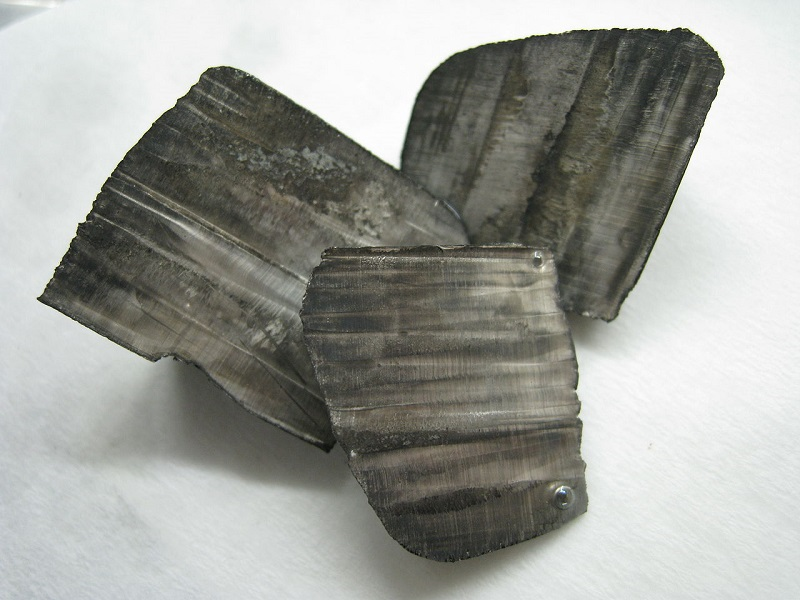
Critical minerals are key components in renewable energy technologies and South Africa has an abundance of these. The strategy identifies key critical minerals, including those important for the energy transition like lithium, nickel, cobalt, and rare earth elements, as well as others like copper and graphite. It also advocates for sustainable and equitable mineral resource management, ensuring that mineral wealth translates into broad-based socio-economic development.
“This strategy aims to maximise the country’s potential in the global market of critical minerals, particularly those crucial for the country’s just energy transition plan and the ones the country holds comparative advantage. These include the PGMs, lithium, cobalt and rare earth elements, which are vital for technologies like electric vehicles, renewable energy and other green initiatives.
“Key pillars of the strategy focus on exploration and beneficiation; investment; localisation; streamlining regulations, fostering innovation in mining technologies; building workforce skills; improving transport and logistics infrastructure, and incentivising investment.
“The strategy further recognises the importance of collaboration with other countries to develop the potential of South Africa’s critical minerals sector,” Ntshavheni said.
Author: Bryan Groenendaal