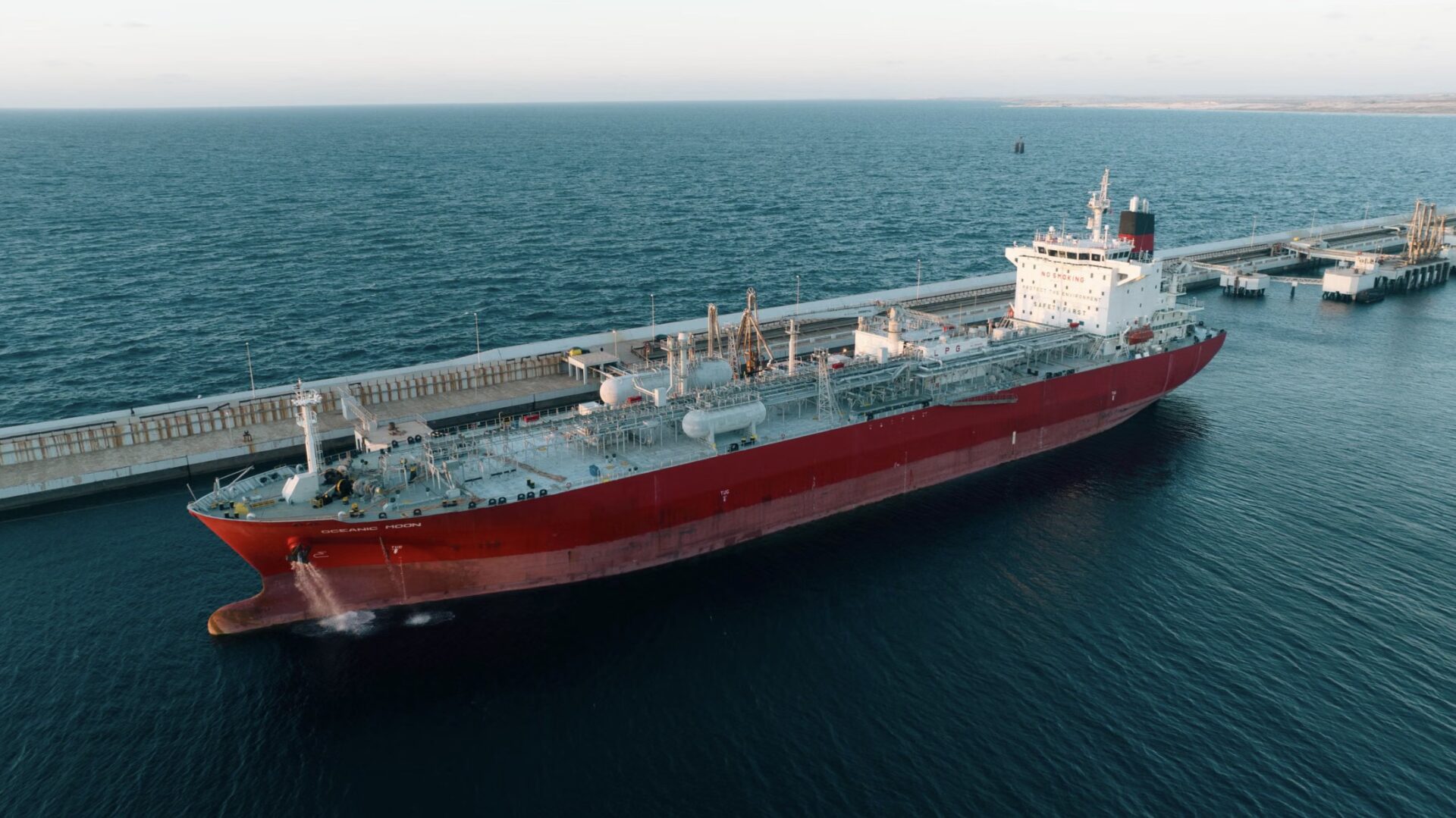
- Asia Pacific LNG demand forecast at 257 Mt in 2026, down from 268 Mt in 2025.
- Supply disruption and high spot prices force fuel switching and demand cuts.
- South Asia faces sharpest impact while Southeast Asia continues structural growth.
Asia Pacific LNG demand is expected to fall for a second consecutive year as geopolitical tensions in the Middle East tighten global supply and drive up spot prices, according to Wood Mackenzie.
Regional demand is projected to reach 257 Mt in 2026, down from 268 Mt in 2025 and a peak of 278 Mt in 2024. The decline reflects a combination of supply disruption, elevated prices, and a shift by buyers toward alternative fuels and diversified supply sources.
Asia accounted for nearly 90% of LNG shipments from Qatar and the United Arab Emirates passing through the Strait of Hormuz in 2025, highlighting the region’s exposure to supply risk. Markets with long term contracts and fuel switching capability are better positioned to manage the current volatility, while more price sensitive economies are experiencing significant demand pressure.
In Northeast Asia, total LNG demand across China, Japan, South Korea, and Taiwan is forecast to decline to 191 Mt in 2026 from 202 Mt in 2025. China is expected to import 62.4 Mt, supported by strong supply diversification, although regasification utilisation is projected to fall to 29%. Japan remains largely insulated due to long term contracts covering more than 90% of demand. South Korea faces rising costs linked to supply disruptions and spot market exposure exceeding 20%, while Taiwan is offsetting supply gaps with increased imports from the United States.
South Asia is experiencing the most severe impact, with high prices directly reducing demand. India faces potential supply cuts of up to 1.5 Mt per month, prompting fuel switching to propane, fuel oil, and naphtha, as well as reduced industrial output. Pakistan has returned to the spot market after a two year absence to secure limited cargoes, while Bangladesh continues to procure spot LNG despite prices reaching US$23 to US$28 per mmbtu.
In Southeast Asia, LNG demand growth remains intact despite short term pressure. Regional demand is expected to increase from 27 Mt in 2025 to 31 Mt in 2026, supported by rising power demand and energy transition policies. Indonesia and Malaysia are recording strong growth driven by power sector demand and coal plant retirements, while Singapore is managing supply gaps through diversified spot procurement. Thailand remains highly exposed to spot price volatility and has restarted coal generation in response to supply uncertainty.
Wood Mackenzie forecasts a recovery in Asia Pacific LNG demand to 279 Mt in 2027 and 297 Mt by 2028 as supply conditions stabilise and new infrastructure comes online. However, the pace of recovery will depend on the duration of Middle East disruptions, future price trends, and competition from alternative fuels, as well as policy decisions on nuclear and power sector development across key markets.
Author: Bryan Groenendaal