- Lack of public disclosure raises concern over 30% emissions reduction target by 2031.
- Secunda operations remain heavily dependent on coal based power despite renewable investments.
- Investors call for site level transparency and clear transition planning.
South Africa’s industrial gases sector is coming under increased scrutiny as new analysis highlights its significant yet largely overlooked role in the country’s emissions profile. According to a recent briefing by Just Share, the sector remains under-represented in mainstream climate discourse despite underpinning energy intensive industrial processes.
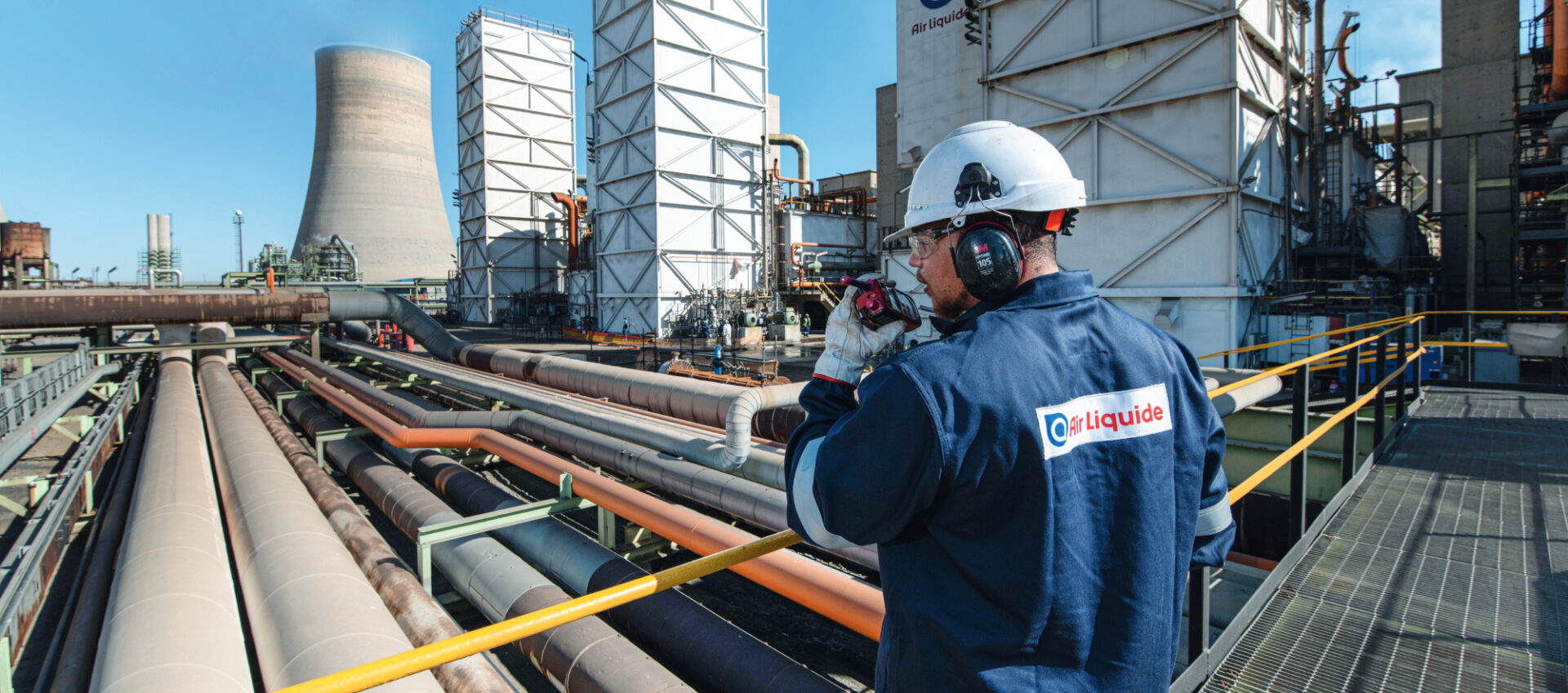
The report focusses on the operations of Air Liquide and its involvement with Sasol, particularly following their 2021 merger agreement. The deal granted Air Liquide full operational control of 17 air separation units at Sasol’s Secunda facility, a critical component of the site’s oxygen production system.
Under legally binding conditions set by the Competition Tribunal, Air Liquide committed to reducing carbon emissions from the acquired assets by 30% by 2031, using 2020 as the baseline year. However, neither the baseline emissions figure nor subsequent annual progress reports have been made publicly available, limiting the ability of stakeholders to independently verify compliance.
The Secunda facility, widely recognised as the world’s largest single point source of greenhouse gas emissions, remains central to the debate. Air Liquide’s oxygen production operations play a key role in supporting this emissions intensive complex, yet the company has not published a regional or site specific transition plan for its South African assets.
While Air Liquide has exceeded the Tribunal’s initial 900 MW renewable energy target, operational realities continue to constrain decarbonisation efforts. The company has confirmed that renewable load factors average between 30% and 35% for wind and 19% to 21% for solar. Given the continuous nature of operations at Secunda, the plant still relies on coal fired electricity supplied by Eskom for an estimated 65% to 80% of its operating hours.
In addition to grid dependence, the site also operates seven coal powered steam driven units alongside ten electricity powered units, further reinforcing its carbon intensive profile. Despite these challenges, Air Liquide’s 2024 Climate Transition Plan and 2025 integrated report do not identify South Africa as a distinct reporting region, nor do they reference the company’s Tribunal obligations.
The absence of transparent, site level emissions data and interim milestones has raised concerns among investors and civil society. Without such disclosures, progress toward emissions reduction targets remains difficult to assess.
Just Share has indicated it will raise these issues at Air Liquide’s upcoming annual general meeting. The organisation is calling on the company to publish a time bound transition plan for its South African operations, disclose Scope 1 and Scope 2 emissions for the Secunda site, and confirm the 2020 baseline used to measure its emissions reduction commitment.
As pressure mounts for greater accountability, the case highlights the broader challenge of addressing emissions embedded within industrial value chains that often remain out of public view
Author: Bryan Groenendaal