
- The African Continental Free Trade Area (AfCFTA) is poised to dramatically reshape the continent’s energy landscape by boosting intra-African energy trade, unlocking billions in investment, and accelerating the shift toward integrated, renewable-heavy power systems.
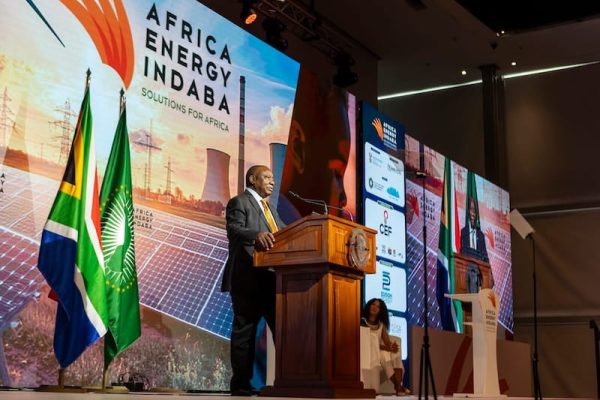
- As Africa seeks to overcome chronic energy deficits and drive industrialisation, the Africa Energy Indaba 2027 will serve as the premier platform where stakeholders translate AfCFTA’s opportunities into concrete projects, partnerships, and policy action.
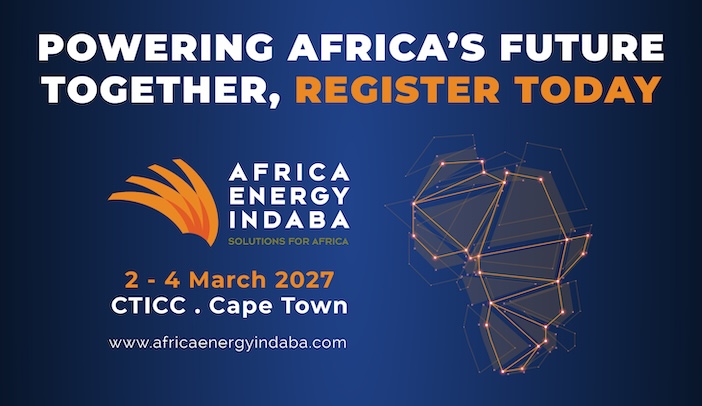
- The 19th edition of the Africa Energy Indaba 2027, set to take place from 2–4 March 2027 at the Cape Town International Convention Centre (CTICC), Cape Town, South Africa.
Cape Town International Convention Centre
Under the theme “African Energy – Pathways to Prosperity: Connectedness and Cooperation”, the 19th edition of Africa’s flagship energy event will examine how deeper regional integration under AfCFTA can deliver affordable, reliable, and sustainable energy to power economic growth across the continent. Africa currently faces a massive energy access gap, with hundreds of millions lacking electricity, while the continent’s vast renewable potential remains largely untapped. AfCFTA changes this equation by reducing tariffs and non-tariff barriers, enabling surplus power from hydro-rich nations such as Ethiopia, DRC, and Uganda to reach deficit markets, and fostering cross-border infrastructure development.
Key projected impacts of AfCFTA on the energy sector include:
- Increased Intra-African Energy Trade — Tariff liberalisation alone could boost intra-African exports of energy and mining products by 5–11% (US$4.5–9 billion). Electricity trade is expected to see particularly strong gains as regional power pools and interconnectors expand.
- Major Investment Inflows — Full implementation could drive cumulative investments of approximately US$22.4 billion in electricity generation, transmission, and distribution between 2025 and 2040, with around 80% directed toward renewables. Broader FDI into Africa could rise significantly under harmonised investment rules.
- Energy Transition Acceleration — AfCFTA supports the creation of regional value chains in green technologies, including solar, wind, batteries, and critical minerals essential for the global energy shift. It also lowers energy costs for manufacturers, enabling competitive industrialisation.
- Enhanced Regional Cooperation — The agreement complements the African Single Electricity Market (AfSEM) and strengthens power pools, gas infrastructure, and shared storage solutions, turning fragmented national systems into a more resilient continental network.
“AfCFTA is not just a trade agreement — it is a catalyst for energy security and prosperity,” said a senior organiser of the Africa Energy Indaba. “By fostering connectedness and cooperation, we can convert Africa’s enormous renewable resources and strategic mineral endowments into bankable projects that deliver jobs, industrial growth, and universal energy access.”
The Africa Energy Indaba 2027 will feature high-level ministerial sessions, technical workshops, project showcases, and an extensive exhibition where solution providers in renewables, grid modernisation, storage, gas-to-power, EVs, and financing will engage directly with utilities, developers, investors, and policymakers.
Delegates can expect practical discussions on:
- Developing cross-border energy corridors and interconnectors
- Harmonising regulations to unlock AfCFTA-driven energy trade
- Financing mechanisms for large-scale renewable and transmission projects
- Building local content and green skills to support a just energy transition
- Turning AfCFTA opportunities into actionable, investment-ready initiatives
With global supply chains facing uncertainty and demand for diversified, sustainable energy solutions rising, the Indaba positions itself as the decisive gathering where Africa’s energy future is shaped through collaboration.
Who should attend?
Energy ministers, utility executives, project developers, investors, technology providers, EPC contractors, financiers, and regulators committed to advancing Africa’s energy pathways to prosperity.
Registration for the conference and exhibition visitor access is now open. Exhibition stands are limited and booking rapidly.
For programme details, speaker updates, registration, and exhibition enquiries, visit: https://africaenergyindaba.com/
Author: Bryan Groenendaal