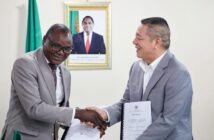
- The World Bank and the Government of Tunisia have finalized a US$430 million financing agreement to support the modernization of Tunisia’s energy sector through the Tunisia Energy Reliability, Efficiency, and Governance Improvement Program (TEREG).
- The five-year program, which includes US$30 million in concessional financing, aims to help Tunisia deliver a sustainable, reliable, and affordable electricity supply by accelerating renewable energy deployment, enhancing the performance of the national electricity utility STEG, and improving overall sector governance.
Aligned with Tunisia’s updated Energy Transition Strategy, TEREG is designed to strengthen STEG’s operational and financial performance, attract private investment, and reduce the carbon intensity of power generation while ensuring reliable electricity access for households and businesses. The program supports ambitious reforms to expand renewable energy, boost energy efficiency, and modernize the electricity sector.
“By fostering renewable energy development, TEREG will strengthen Tunisia’s position in clean energy, creating economic opportunities and ensuring long-term energy security,” said Alexandre Arrobbio, World Bank Country Manager for Tunisia. “This project reflects our strong partnership with Tunisia and supports its sustainable development goals. It builds on our long-standing engagement in Tunisia’s energy sector and complements ongoing initiatives such as the Tunisia-Italy Electricity Integration Project (ELMED), the Energy Sector Improvement Project, and advisory services from the International Finance Corporation and the Multilateral Investment Guarantee Agency, aligning with Tunisia’s Country Partnership Framework and its commitments under the Paris Agreement.”
The TEREG program is expected to help Tunisia mobilize US$2.8 billion in private investment to add 2.8 gigawatts of new solar and wind capacity by 2028 and create more than 30,000 jobs, primarily during the construction phase of renewable projects. It is also projected to reduce electricity supply costs by 23 percent, improve STEG’s cost recovery from 60 to 80 percent, and cut subsidies by TND 2.045 billion from the state budget.
“This is the first project to benefit from the World Bank’s Framework for Financial Incentives, receiving rewards for its size and long-term benefits in recognition of its impact on reducing greenhouse gas emissions,” said Amira Klibi, Senior Energy Specialist at the World Bank and Task Team Leader for the project. “The program’s reforms—such as reducing technical and commercial losses and increasing the share of renewables—are expected to deliver lasting improvements in the operational and financial performance of the sector, making electricity more affordable and reliable for households and businesses across Tunisia.”
Author: Bryan Groenendaal