- OUTA warns that legislation alone cannot restore collapsed municipal water services.
- Calls for independent water regulator to prevent conflict of interest.
- Accountability must extend to political office bearers, not only officials.
South Africa’s proposed Water Services Amendment Bill represents a significant attempt to stabilise and reform the country’s struggling municipal water and sanitation sector. However, the Organisation Undoing Tax Abuse (OUTA) has cautioned that new legislation will not resolve what it describes as a deep rooted political and governance failure.
In a formal submission to Parliament, OUTA acknowledged the scale and intent of the Bill, which aims to professionalise water services, strengthen compliance and introduce consequences for persistent non-performance. The organisation supports reform but argues that the crisis is not caused by a lack of legal frameworks.
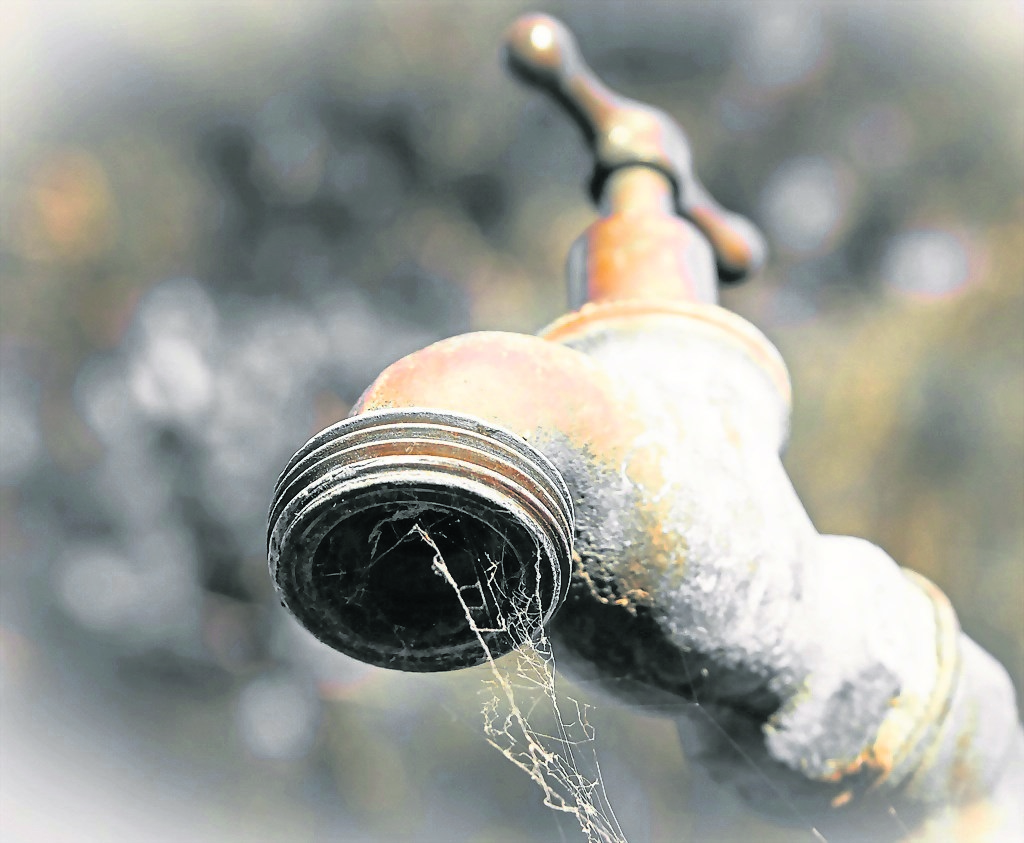
Communities across South Africa continue to experience failing treatment plants, sewage spills into rivers and deteriorating infrastructure. While the economic and environmental impacts are significant, the human cost remains most visible in areas where water does not run when taps are opened.
According to Julius Kleynhans, Executive Manager at OUTA, South Africa already has a modern legislative framework governing water services. The problem, he says, lies in the absence of consistent consequence management and political will.
Municipalities that function effectively are doing so within existing laws. Failures elsewhere are linked to weak political oversight, inappropriate appointments, chronic under maintenance, financial mismanagement and a longstanding absence of accountability.
OUTA has also raised concerns about the concentration of licensing, regulatory and enforcement powers within the Department of Water and Sanitation, particularly in instances where the Department may act as both regulator and service provider. This, the organisation argues, creates a structural conflict of interest in which the regulator effectively becomes both player and referee.
Without strong safeguards, this model risks politicisation, inconsistent decision making and potential constitutional conflict with municipal executive authority. OUTA has reiterated its call for the establishment of an independent water regulator to ensure impartial oversight and credible enforcement across the sector.
The organisation welcomed proposed governance reforms for water boards, including clearer fiduciary duties and alignment with Public Finance Management Act and King IV principles. However, it warned that governance reform alone will not deliver results without financial sustainability, predictable infrastructure investment and improved alignment between water boards and municipalities.
OUTA further supports the introduction of criminal liability for directors and municipal managers found guilty of negligence or wilful misconduct. It argues that accountability must extend to political office bearers who approve budgets, divert funding away from water infrastructure or fail in their oversight responsibilities.
With many municipalities in severe distress, OUTA agrees that intervention is justified. However, it cautions that unless political interference is addressed and consequences are enforced consistently, the Water Services Amendment Bill risks becoming another well drafted reform that fails at implementation stage.
Author: Bryan Groenendaal