- The World Meteorological Organisation says the Earth’s climate is more out of balance than ever, with record heat trapped by greenhouse gases.
- Forecasts suggest a strong El Niño forming in the second half of 2026, threatening extreme weather, food insecurity, and economic disruption across Africa.
- Oceans absorb over 90% of excess heat, accelerating glacier melt, sea-level rise, and climate-related disasters.
The United Nations’ weather agency, the World Meteorological Organisation (WMO), has issued a stark warning that the planet’s climate is more unstable than at any time in recorded history. Rising greenhouse gas emissions are driving a record accumulation of heat energy that the Earth cannot release, creating an unprecedented energy imbalance.
The WMO forecasts a warming El Niño phase in the second half of 2026. Scientists warn that this natural climate event, layered on top of human-driven warming, could push global temperatures to new records through 2027. UN Secretary-General António Guterres described the situation as “flashing red,” with every key climate indicator signaling that the planet is being pushed beyond its limits.
Despite a temporary La Niña cooling, 2025 was approximately 1.43°C above pre-industrial levels, making it one of the three hottest years on record. The period from 2015 to 2025 marks the warmest 11 years ever documented. Between 2005 and 2025, the Earth’s energy imbalance grew by about 11 zettajoules per year, roughly 18 times the total human energy use, with more than 90% absorbed by the oceans. This is accelerating glacier melt and sea-level rise.
Rising temperatures are intensifying extreme weather events. Record-breaking early-season heat in the southwest US, exceeding 40°C, is being linked directly to climate change. WMO also highlights the economic and health toll, noting that natural disasters now cost more than €2 billion annually—a figure that could increase tenfold if emissions are not curtailed.
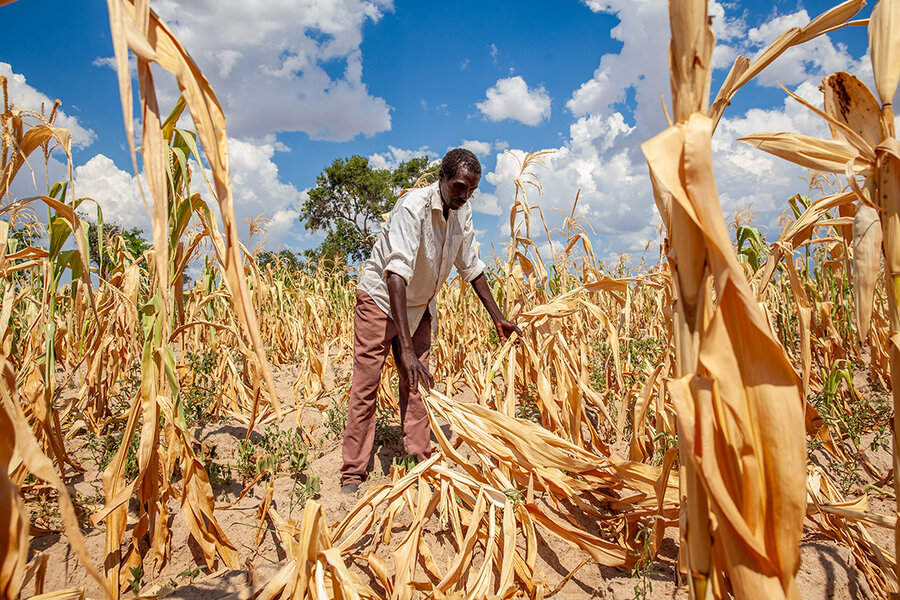
In Africa, El Niño is expected to disrupt rainfall patterns with severe regional impacts. Southern Africa, including South Africa, Zimbabwe, Zambia, and Malawi, faces drier-than-normal conditions, heightening risks of crop failures, water shortages, and livestock losses. East Africa and the Horn, including Kenya, Ethiopia, Somalia, and Tanzania, may see heavier rains, increasing the likelihood of flash floods, landslides, and infrastructure damage. West Africa could experience hotter and drier conditions, threatening cocoa production in Ghana and Côte d’Ivoire, while Equatorial Africa is projected to face above-normal warmth, exacerbating heat-related health risks.
El Niño is expected to affect crop yields on roughly 25% of global croplands. In Africa, where many rely on rain-fed agriculture, this could drive sharp food price increases and widespread malnutrition. Shifting weather patterns also heighten the risk of disease outbreaks, including cholera, malaria, dengue, and yellow fever. Coastal regions are at further risk, with El Niño contributing to significant spikes in sea levels that threaten cities like Lagos and Dar es Salaam.
The WMO’s warning underscores the urgent need for governments, energy companies, and infrastructure planners across Africa to anticipate climate shocks and strengthen resilience strategies as global temperatures continue to climb.
Author: Bryan Groenendaal