- Government clears large scale wind and solar projects to cut energy deficit.
- Storage enabled solar and major wind developments to strengthen energy security.
Tunisia has approved more than 2.3 GW of new renewable energy projects scheduled for development in 2026, marking a significant step in the country’s efforts to expand clean power generation and reduce reliance on energy imports.
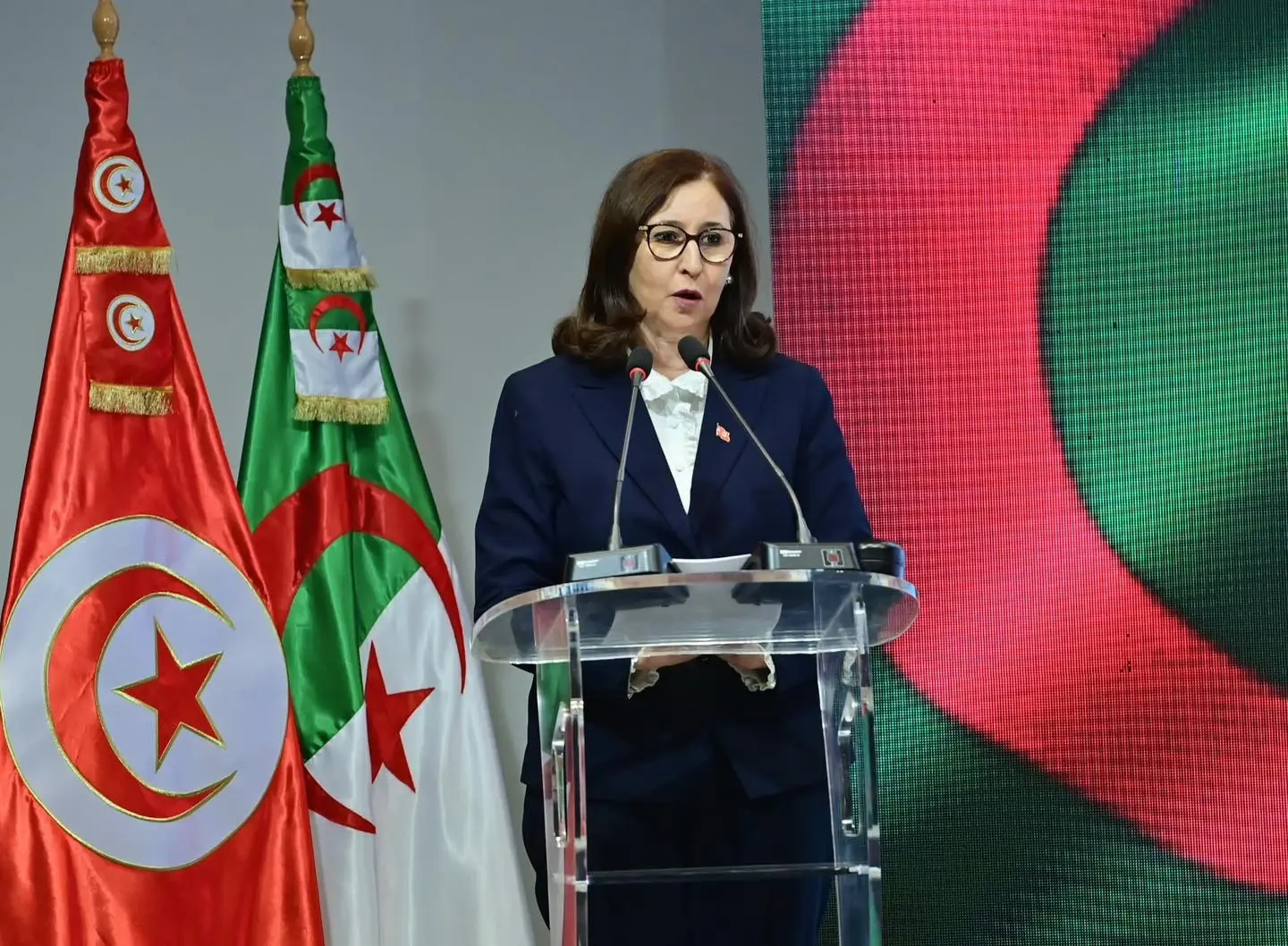
The approvals were granted by the High Committee for Private Electricity Generation, chaired by Prime Minister Sara Zaafarani Zenzari. The committee cleared tenders for 2 GW of wind power capacity and a 350 MW solar photovoltaic project as part of the national renewable energy programme.
Planned wind developments include 600 MW in Tabaga in the Kebili governorate, 400 MW in Jebel Abderrahmane in Nabeul, and 200 MW in El Guettar in Gafsa. Additional wind sites are planned in Zaghouan, Medenine, and Kasserine, subject to the completion of wind resource measurements.
On the solar side, the government approved a 350 MW photovoltaic plant in Bazma in Kebili. The project will be designed with battery storage capabilities to improve grid stability and energy availability. Officials also approved a 77.25 MW wind farm in Zaghouan, expected to generate around 290 GWh of electricity annually, as well as two 100 MW solar plants in Tataouine and Gabes.
The latest approvals build on recent progress in Tunisia’s renewable energy sector. Earlier this month, the country commissioned its largest renewable energy project to date, a 120 MWp solar plant developed by AMEA Power in Kairouan. Trial operations have also begun for two 50 MW solar plants in Mazouna and Tozeur, which are expected to enter commercial operation by the end of 2025.
Prime Minister Zenzari said accelerating renewable energy development is essential for achieving Tunisia’s target of generating 35 percent of its electricity from renewable sources by 2030. She highlighted the role of clean energy in strengthening national energy security, reducing the cost of energy imports, and making better use of Tunisia’s strong solar and wind resources.
For energy developers, investors, and technology providers, the latest round of approvals signals growing opportunities in Tunisia’s utility scale renewable energy market as the country scales up its clean energy transition.
Author: Bryan Groenendaal