- Solar photovoltaic (PV) technology is set to remain the world’s most cost-competitive source of power generation through 2025, according to new analysis from Wood Mackenzie.
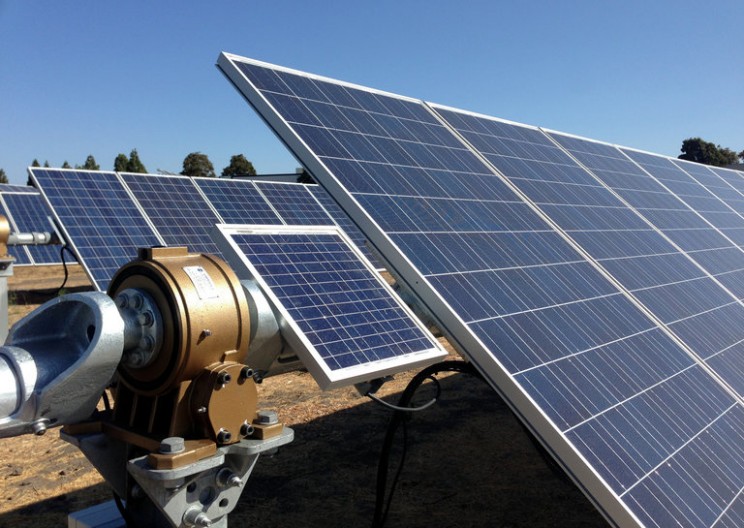
- The firm’s latest Levelised Cost of Electricity (LCOE) report shows that single-axis tracker PV systems in the Middle East and Africa lead globally, with costs as low as US$37 per megawatt hour (MWh).
Wood Mackenzie attributes the continued cost advantage to ongoing improvements in module efficiency and a stabilising global supply chain. “Across all regions, renewable technologies demonstrate clear cost advantages over conventional generation,” said Ahmed Jameel Abdullah, Senior Research Analyst at Wood Mackenzie. “We expect continued cost reductions through technological improvements, supply chain optimisation, and economies of scale, reinforcing renewables’ position as the dominant power generation technology globally.”
The reports cover five regions — Europe, North America, Latin America, Asia Pacific, and the Middle East and Africa — and highlight the sustained decline in renewable energy costs across all markets.
Middle East and Africa Outlook
Across the Middle East and Africa, LCOEs for both wind and solar declined by 6% to 10% year-on-year in 2025. Utility-scale solar PV continues to act as the region’s price benchmark, driven by exceptional solar resources and strong net capacity factors, particularly in Saudi Arabia and the United Arab Emirates (UAE).
Wood Mackenzie’s projections indicate that single-axis tracker PV systems will maintain a clear cost advantage, with prices expected to converge at around US$17/MWh by 2060. In contrast, onshore wind costs are expected to stabilise near US$30/MWh over the same period.
The firm also notes that utility-scale battery storage prices in the Middle East continue to decline, with turnkey costs in Saudi Arabia and the UAE projected to fall by 7% to 9% by 2034.
“The global energy transition is accelerating at an unprecedented pace,” Abdullah added. “Solar PV and onshore wind have become the dominant low-cost options worldwide, while hybrid systems and battery storage are rapidly closing the competitiveness gap.”
Overall, the findings underscore solar PV’s continued dominance as the most affordable renewable technology, particularly in regions benefiting from high solar irradiance and maturing renewable infrastructure.
Author: Bryan Groenendaal