- Seven Tiger Brands manufacturing sites are now generating solar power across South Africa.
- Company targets sourcing 31% of its electricity from renewable energy by 2030.
- New wheeling agreement could see Gauteng facilities receive about 60% of their electricity from renewable sources by 2028.
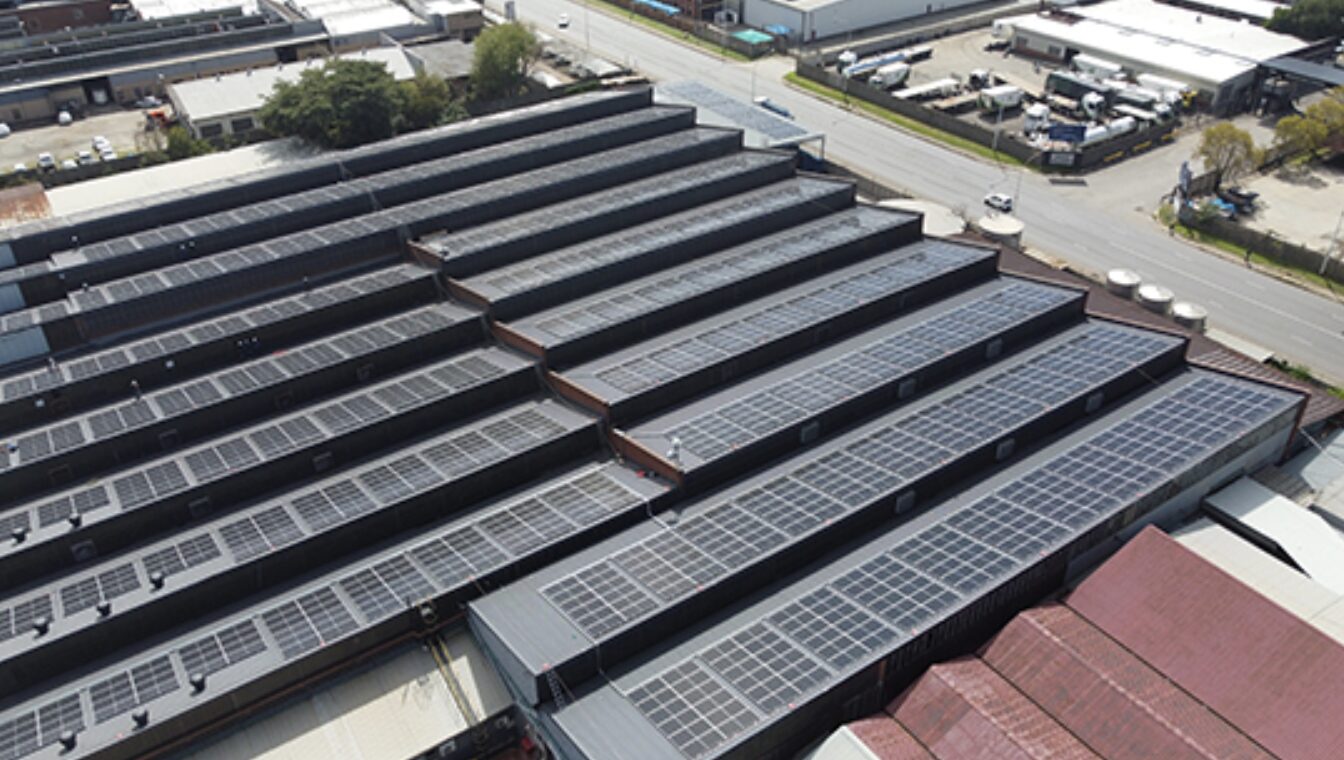
Tiger Brands has reached a significant milestone in its energy transition strategy, with solar power now operational at seven manufacturing facilities across South Africa, strengthening the company’s renewable energy capacity while reducing its reliance on conventional electricity sources.
The installations form part of a multi-million rand investment programme focused on integrating renewable energy solutions across the food producer’s manufacturing network. The operational solar systems are located at sites in the Free State, Gauteng, North West and KwaZulu Natal, where they are supplying clean electricity directly to production activities.
The latest project to come online is at Tiger Brands’ Culinary manufacturing facility in Boksburg, Gauteng. The site began receiving solar generated electricity in May following the signing of a solar power purchase agreement with Solar Africa for a 1.9 MWh installation.
The Boksburg facility manufactures several of the company’s flagship consumer brands, including All Gold Tomato Sauce, Crosse & Blackwell Mayonnaise and KOO Baked Beans.
The solar rollout forms part of Tiger Brands’ broader sustainability strategy, which aims to source 31% of its electrical energy requirements from renewable sources by 2030. The company is also targeting a 30% reduction in carbon emissions and a 30% improvement in energy efficiency over the same period.
“Our investment in renewable energy is about building a more resilient and sustainable manufacturing footprint while supporting South Africa’s transition to a lower carbon economy,” said Praveen Balgobind, Chief Manufacturing Officer at Tiger Brands.
According to Balgobind, solar energy is already helping several manufacturing facilities reduce their dependence on traditional electricity supply while improving operational efficiency. He added that the current projects represent only one component of a broader renewable energy strategy that will continue to expand in the years ahead.
Tiger Brands plans to extend renewable energy generation to additional manufacturing facilities as part of its long term decarbonisation roadmap. By 2030, the company expects renewable energy technologies, including onsite solar generation, to be deployed across a substantial portion of its manufacturing network.
Alongside renewable energy investments, the company is implementing a range of energy efficiency measures across its operations. These include site specific energy assessments, enhanced measurement and metering systems, and targeted interventions designed to lower overall energy consumption.
“We are avoiding a blanket approach in favour of site specific assessments. Our goal is to deploy tailored innovations and initiatives that address the unique needs of each location while systematically eliminating energy inefficiencies,” said Balgobind.
Tiger Brands is also pursuing offsite renewable energy procurement through electricity wheeling. Earlier this year, the company signed an electricity wheeling agreement with renewable energy supplier Apollo Africa, enabling renewable electricity generated elsewhere to be transmitted through South Africa’s national grid to Tiger Brands facilities in Gauteng from 2028.
Under the agreement, manufacturing sites supplied through the Ekurhuleni Municipality are expected to source approximately 60% of their electricity requirements from renewable energy by 2028.
The combination of onsite solar generation, wheeled renewable electricity and ongoing efficiency improvements forms a central pillar of Tiger Brands’ strategy to reduce greenhouse gas emissions, improve energy security and enhance the sustainability of its manufacturing operations.
Tiger Brands’ 2030 environmental stewardship targets include reducing water and energy intensity by 30%, cutting carbon emissions by 30%, sourcing 31% of electricity from renewable energy, achieving zero waste to landfill across all sites, reducing production food waste by 50%, ensuring 80% of plastic packaging is recyclable or compostable, and achieving 25% recycled content in PET packaging.
Author: Bryan Groenendaal