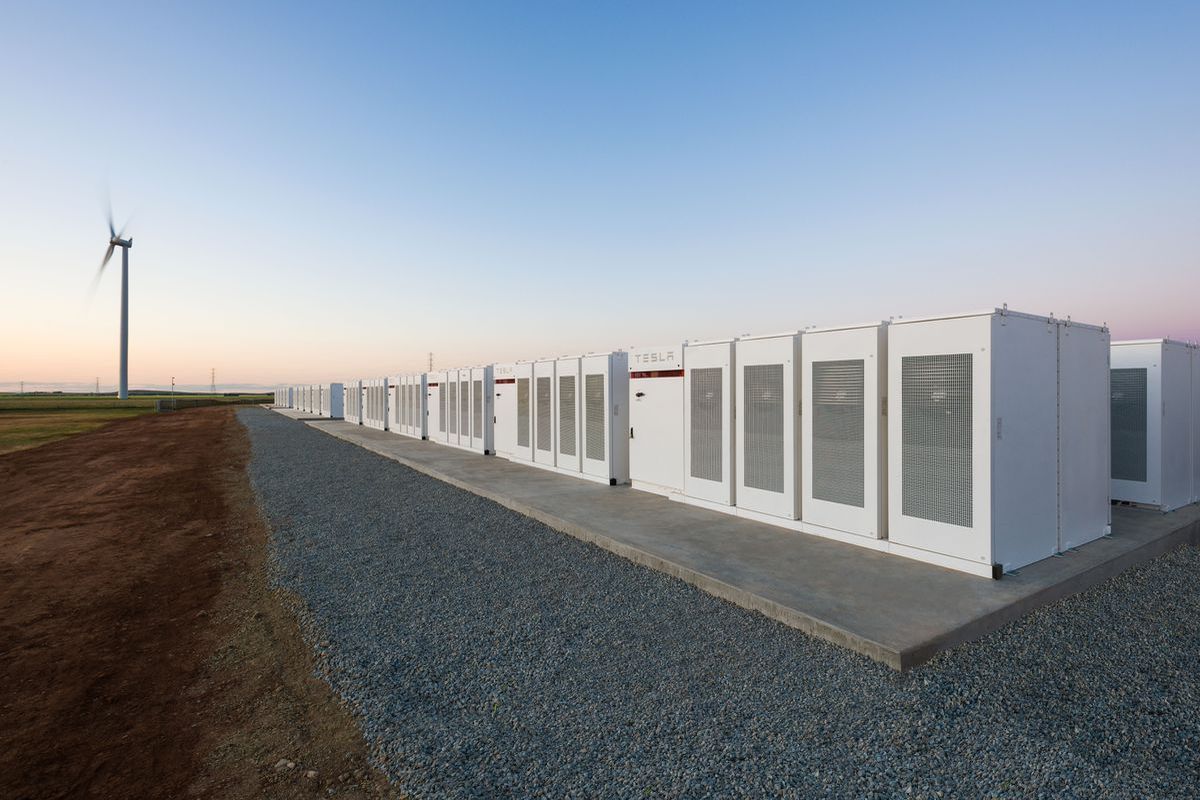
- Tesla retained its top spot for the second year-in-a-row as lead producer in the battery energy storage system (BESS) integrator market with a 15% market share in 2024, according to Wood Mackenzie’s Global battery energy storage system integrator ranking 2025 report.
While Tesla maintained its crown, Chinese competitor Sungrow significantly narrowed the gap, holding onto second place with 14% market share – reducing Tesla’s lead from 4 percentage points in 2023 to just 1 percentage point in 2024. CRRC rounded out the top three with 8% market share, maintaining the same podium positions for the second straight year.
The report reveals stark regional disparities in market dynamics. Chinese BESS integrators saw their European market share surge by 67% year-over-year, with four of the top 10 European players now headquartered in China. Conversely, Chinese companies’ North American market share declined by over 30%, falling from 23% to 16%, primarily due to escalating US-China geopolitical tensions and increased US trade protectionism.
“Competition among established BESS integrators remains incredibly intense,” said Kevin Shang, principal research analyst, energy storage technology and supply chain for Wood Mackenzie. “Seven of the top 10 vendors last year struggled to expand their market share, remaining either unchanged or declining.”
Regional market leadership shifts
In North America, Tesla held its top spot for the third consecutive year, capturing 39% of the market and distancing itself from competitors. Sungrow retained its second-place rank but fell from 17% to 10% market share in 2024. Powin rounded out the top three for North America. The North American market became less concentrated, with the top five players’ combined share falling 17 percentage points to 73%.
European markets contrasted with North America, as Chinese-based firms, Sungrow in particular, surged, with their market share climbing 67% year-over-year. Sungrow led the market, jumping from 10% in 2023 to 21% in 2024. The top three players are rounded out by Nidec and Tesla. The European market has become increasingly fragmented, with the top five players holding 70% market share, down 16 percentage points from the previous year.
In Asia, CRRC maintained its top position, while Sungrow jumped from fourth to second. Envision rounded out the top three. Chinese companies cemented their dominance across the region, capturing over 90% of total market share.
Emerging Middle East opportunity
The Middle East has emerged as a significant opportunity, with Chinese integrators Sungrow, BYD, and Huawei dominating the nascent market. The region is forecast to install 31 GW/115 GWh of energy storage capacity by 2034, driven by decarbonisation targets and growing power demand.
Seven of the global top 10 BESS integrators are now headquartered in China, reflecting the country’s growing influence in the sector. However, intense domestic competition and oversupply have forced Chinese companies to expand aggressively into overseas markets, particularly Europe and the Middle East.

Reporting metrics:
Wood Mackenzie ranks vendors by the number of shipments in megawatt-hour (MWh). Only shipments with revenue recognised in the reporting year are counted towards the market share.
“The global BESS integrator landscape is becoming increasingly complex, with regional trade policies and geopolitical tensions reshaping competitive dynamics,” said Kevin Shang, Principal Research Analyst at Wood Mackenzie. “While Tesla maintains its global leadership, the rapid rise of Chinese integrators in Europe and their dominance in emerging markets like the Middle East signals a fundamental shift in the industry. Success will increasingly depend on companies’ ability to navigate diverse regulatory environments, adapt to local market requirements, and maintain competitive cost structures across multiple regions.”
Author: Bryan Groenendaal
Source: Woodmac