- The Department of Electricity and Energy has outlined its proposal to repurpose the Integrated National Electrification Programme (INEP) as part of efforts to achieve South Africa’s goal of universal electricity access by 2030.
- The plan seeks to electrify approximately 1.6 million remaining households at an estimated cost of R75 billion, building on the significant progress already made since the programme’s launch in 2001/02.
Over the past two decades, Eskom and municipalities have used about R110 billion in government grants through INEP to connect more than 8.4 million households, increasing the national electrification rate to over 94%. According to the 2022 Census, access to electricity in South Africa has improved dramatically, with 94.7% of households now connected. However, Deputy Director-General Thabo Kekana told Parliament’s Portfolio Committee on Electricity and Energy that the pace of new connections continues to lag behind the growing demand, leaving an estimated 1.6 million households without electricity — and as many as three million if illegal connections are taken into account.
Kekana said the remaining connections were “technically challenging and costly,” often involving remote and sparsely populated areas. He added that the existing grant-based model would be unable to deliver the roughly 300,000 new grid connections needed annually to meet the 2030 target, given that Eskom currently connects about 167,000 households per year and some 200 municipalities collectively connect others using an annual National Treasury allocation of about R4 billion.
The department is developing a new funding and delivery model in partnership with the Development Bank of Southern Africa (DBSA), with plans to establish a project management office at the bank. Drawing lessons from the Independent Power Producer (IPP) Office, the new structure is expected to attract private capital and improve transparency in project delivery. One proposal involves leveraging the existing R4 billion annual grant allocation to create a blended finance instrument that could attract additional investment, potentially including funds from the Just Energy Transition Partnership. While the specifics of how such investments would be recovered remain unclear, Kekana emphasised that the department would work with the DBSA and private sector to mobilise the capital required over the next five years.
For the current financial year, R3.9 billion has been allocated to INEP, including R247 million earmarked for the national rollout of solar home systems targeting remote and underserved indigent households. The department is also reviewing the national electricity pricing policy to ensure affordability for low-income communities. Proposals under consideration include increasing the free basic electricity allowance from 50 kWh to 200 kWh per month, introducing tiered tariffs that lower costs for low-usage households, and exploring flat-rate or subsidised tariffs for rural and off-grid areas.
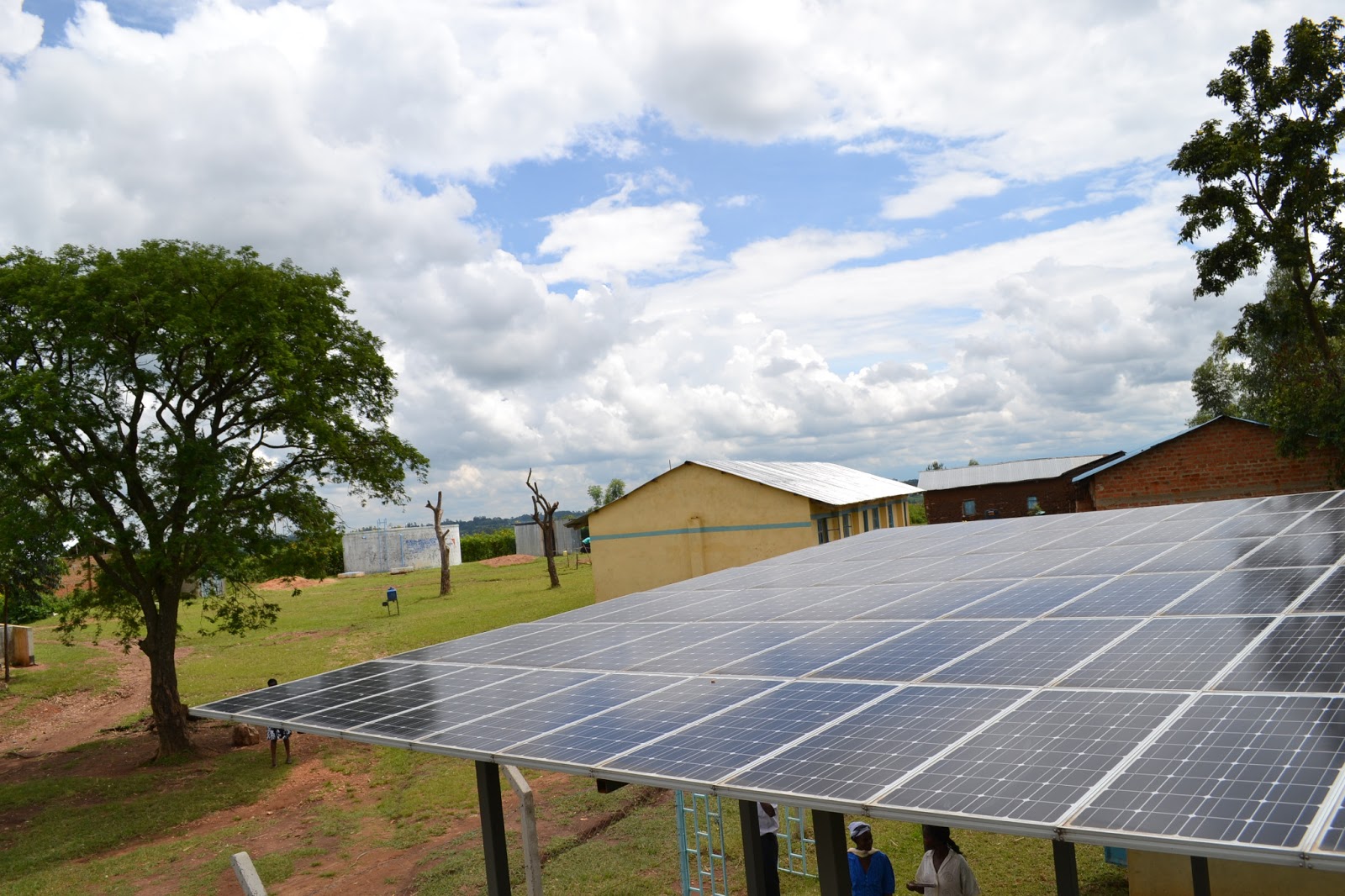
In collaboration with the South African National Energy Development Institute (Sanedi), the department has developed a hybrid electrification model combining traditional grid connections with decentralised systems such as solar-powered microgrids. Sanedi’s Dr Karen Surridge said the decision to use grid connections or microgrids would depend on factors such as cost, distance from existing infrastructure, population density, geography, and energy demand. The microgrid solutions being considered include small standalone solar-battery systems for basic lighting and phone charging in remote households, larger systems for rural communities that can support refrigeration and small appliances, and full microgrids capable of powering households and small businesses.
Describing access to electricity as a “basic right,” Surridge said the repurposed programme should be prioritised, noting that modern technologies now make universal access feasible. Committee Chairperson Nonkosi Mvana welcomed the department’s commitment to expanding access and emphasised that Parliament would continue to monitor progress closely. “We appreciate the presentation, but it is not the end of the story. We will continue to engage the department and monitor progress until all the remaining households are connected to electricity,” she said.
Author: Bryan Groenendaal