- Regular servicing every two years can extend system lifespan and maintain optimal efficiency.
- Routine cleaning and inspection reduce performance losses linked to dust and debris build up.
- Accredited electricians play a critical role in safety compliance and early fault detection.
Maintaining rooftop solar PV systems is emerging as a key priority for asset owners seeking to maximise energy yield and protect long term returns. Industry guidance highlights that consistent care, including periodic cleaning and professional servicing, can significantly enhance system performance while ensuring safety compliance.
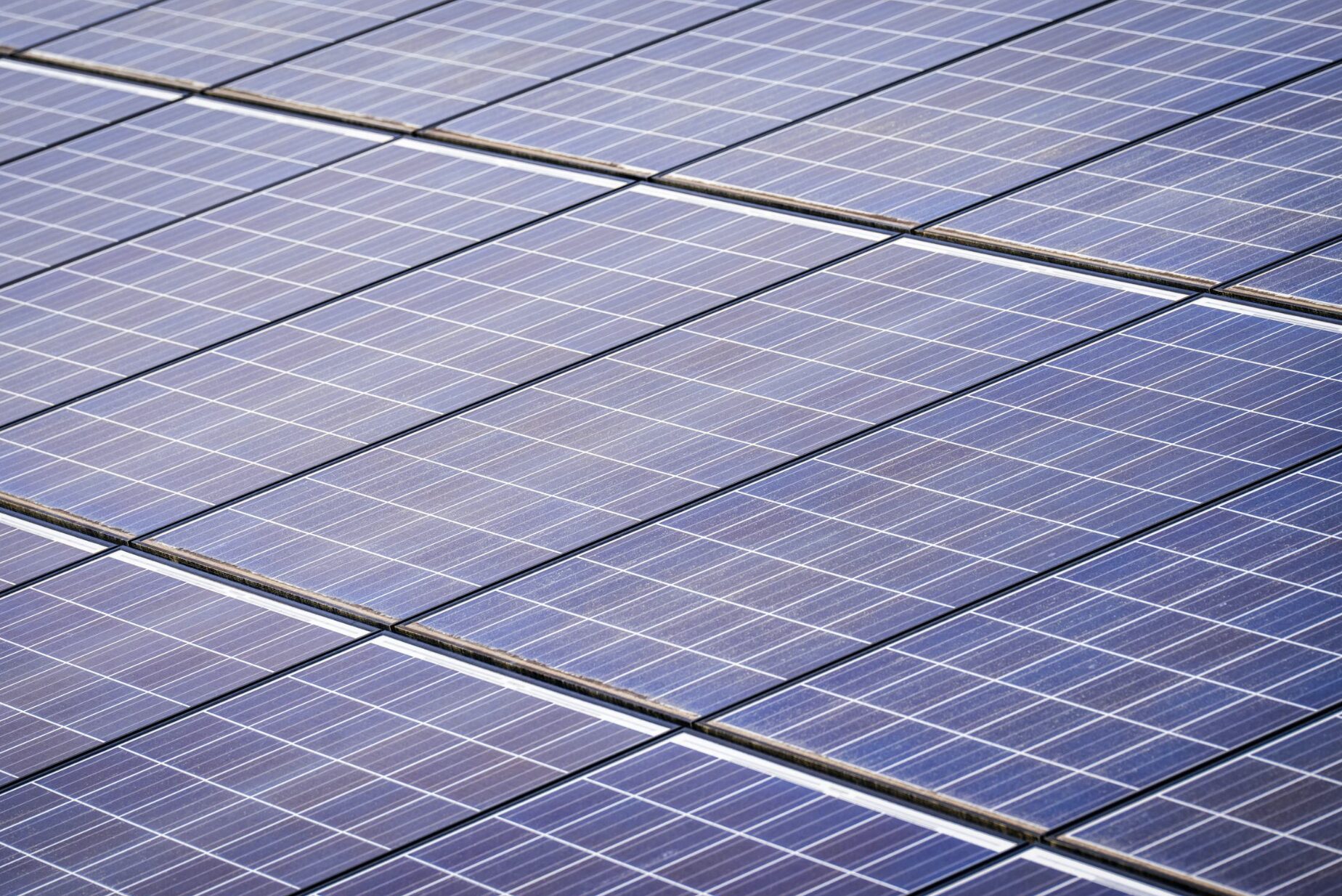
Solar panels are engineered to withstand outdoor conditions, but accumulated dust, dirt and debris can reduce energy output by limiting sunlight absorption. For low rise installations, basic cleaning using a soft bristled broom or light water spray can restore efficiency. However, operators are advised to avoid high pressure equipment, which may damage panel surfaces. Also avoid using dishwashing liquid to clean your solar panels, it damages the anti-reflective coating on the glass.
Flat roof installations may require more frequent cleaning due to water pooling, which can leave residue and further impact performance. Where panels are difficult to access or heavily soiled, professional cleaning services are recommended. These providers are expected to follow strict safety protocols and avoid the use of harsh chemicals that could degrade panel integrity or void warranties.
Maintenance
Beyond cleaning, scheduled servicing remains central to system reliability. Experts recommend inspections at least every two years by a qualified and licenced electrician. These assessments go beyond surface maintenance, incorporating electrical testing, cabling checks and detailed visual inspections to identify defects such as cracks, discolouration or component wear.
Early detection of faults enables timely intervention, reducing the risk of system failure and supporting potential warranty claims. Service reports also provide valuable performance data, allowing asset owners to track efficiency trends over time.
Monitoring
In addition to professional servicing, system owners can conduct basic interim checks. Monitoring inverter performance is particularly important, as restricted airflow caused by dust or debris can lead to overheating and reduced equipment lifespan. Keeping ventilation areas clean and observing system alerts can help identify issues before they escalate.
Annual anti islanding tests are also required in some jurisdictions to ensure inverters disconnect safely from the grid during outages. This prevents electricity from being fed into the network during blackouts, protecting maintenance personnel working on grid infrastructure.
As distributed solar continues to scale across residential and commercial segments in countries in Africa, proactive maintenance strategies are becoming essential. With relatively low effort and cost, regular upkeep can safeguard system efficiency, extend asset life and ensure compliance with evolving grid safety standards.
Author: Bryan Groenendaal