- SA H2 Fund commits up to US$4 million in development funding for Gauteng green methanol facility.
- Project will convert 90,000 tonnes of sewage sludge into 14,300 tonnes of green methanol annually.
- Facility expected to cut nearly 119,000 tonnes of CO₂ emissions each year and create 360 jobs.
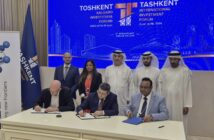
Climate Investor Three, through its affiliate SA H2 Fund, has signed a Development Funding Agreement with Green eFuels Producers to support the development of South Africa’s first sewage sludge to green methanol production facility in Gauteng.
The blended finance facility, managed by Climate Fund Managers in partnership with Invest International, will support the project through its development phase as South Africa accelerates efforts to build a green hydrogen economy and expand low carbon fuel production.
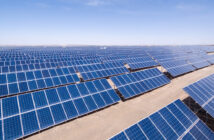
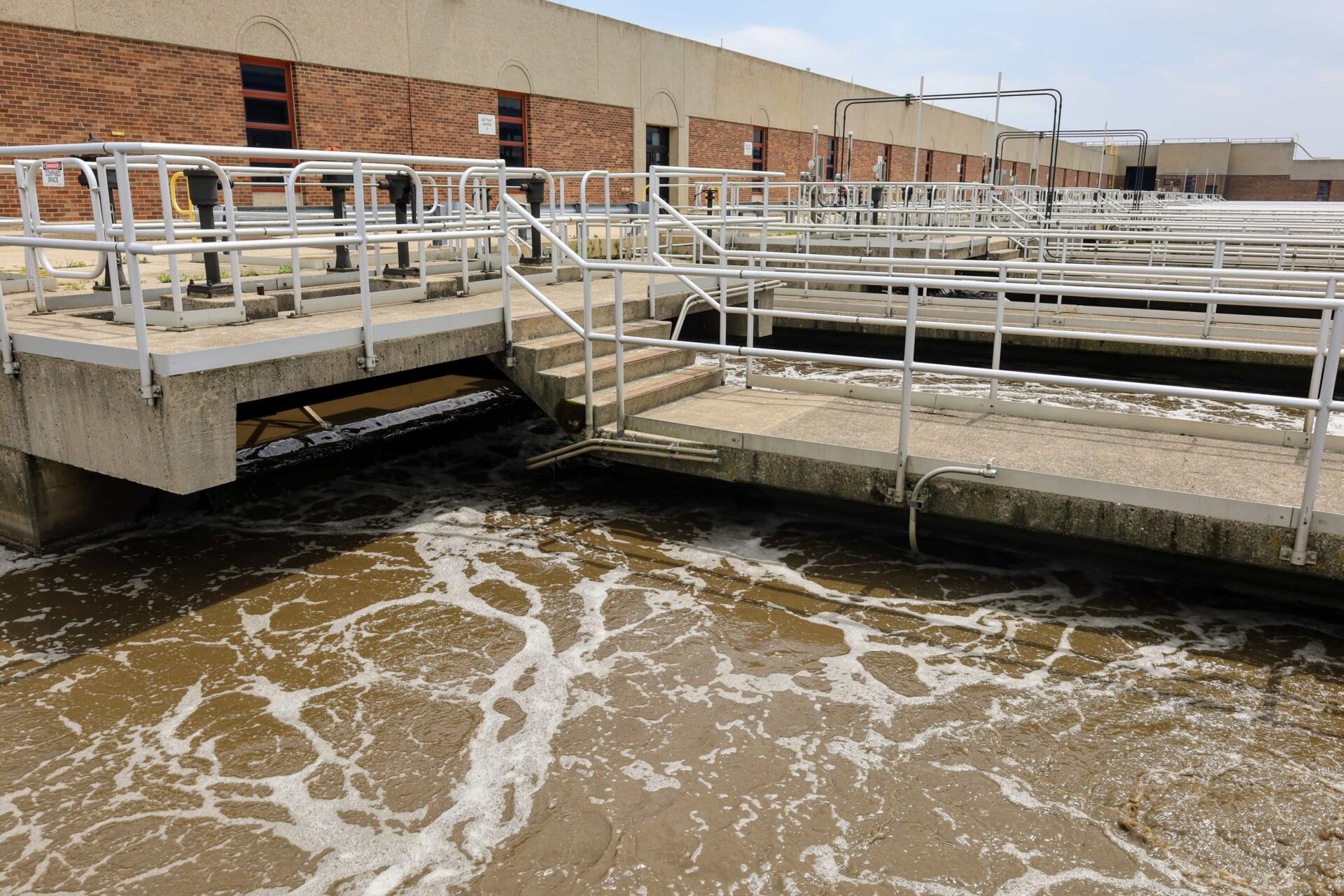
The project will process around 90,000 tonnes of municipal sewage sludge annually sourced from the Sebokeng Wastewater Treatment Works. Renewable energy from a 50 MW co located solar plant and additional wind power secured through South Africa’s wheeling framework will power a 10 MW electrolyser used to produce green hydrogen.
The hydrogen will then be used to produce approximately 14,300 tonnes of green methanol per year, creating a circular waste to fuel solution aimed at reducing emissions from hard to abate sectors.
Once operational, the facility is expected to avoid approximately 118,950 tonnes of CO₂ equivalent emissions annually based on projected production volumes and preliminary lifecycle assessment modelling. The project is also expected to create up to 300 construction jobs and 60 permanent operational positions.
Climate Investor Three and SA H2 Fund have committed up to US$4 million in development funding to advance technical studies, engineering design, environmental and social impact assessments, permitting and commercial structuring activities ahead of financial close.
The agreement also secures the fund’s right to participate in equity funding of up to US$26 million. Financial close is targeted for the second half of 2027, with commercial operations expected to begin in 2029.
Wastewater treatment facilities across South Africa continue to face growing challenges in managing sewage sludge sustainably. The project aims to address this issue by converting waste into green methanol, a low carbon fuel increasingly being adopted in shipping, aviation and power generation.
Unlike conventional methanol produced from fossil fuels, green methanol is manufactured using renewable energy and sustainable carbon sources such as biogenic waste and captured carbon dioxide.
In addition to fuel production, the project will return between 50,000 and 60,000 cubic metres of industrial grade water annually to the local water utility, supporting water security and circular economy objectives in the Vaal region.
The development will also include a community development programme focused on skills development and socio-economic upliftment.
Mphokolo Makara said the project demonstrates how energy transition investments can create practical industrial solutions while supporting local economic development.
“This project demonstrates the effects of energy transition for industrial operations in the real economy by turning everyday waste into a valuable low carbon fuel,” he said.
“By transforming sewage into a productive resource, it addresses a key waste management challenge while supporting local jobs and strengthening South Africa’s industrial base through a just transition.”
The project aligns with South Africa’s Hydrogen Society Roadmap, Nationally Determined Contributions and wider decarbonisation targets. It also lays the foundation for a national Green Methanol Corridor aimed at scaling green fuel infrastructure across the country.
The investment marks SA H2 Fund’s second development funding commitment in South Africa following its investment in the Hive Hydrogen Coega green ammonia project in the Eastern Cape in 2025.
It also represents the first external institutional investment in Green eFuels Producers as the company advances plans to deploy scalable green methanol infrastructure across South Africa.
Author: Bryan Groenendaal