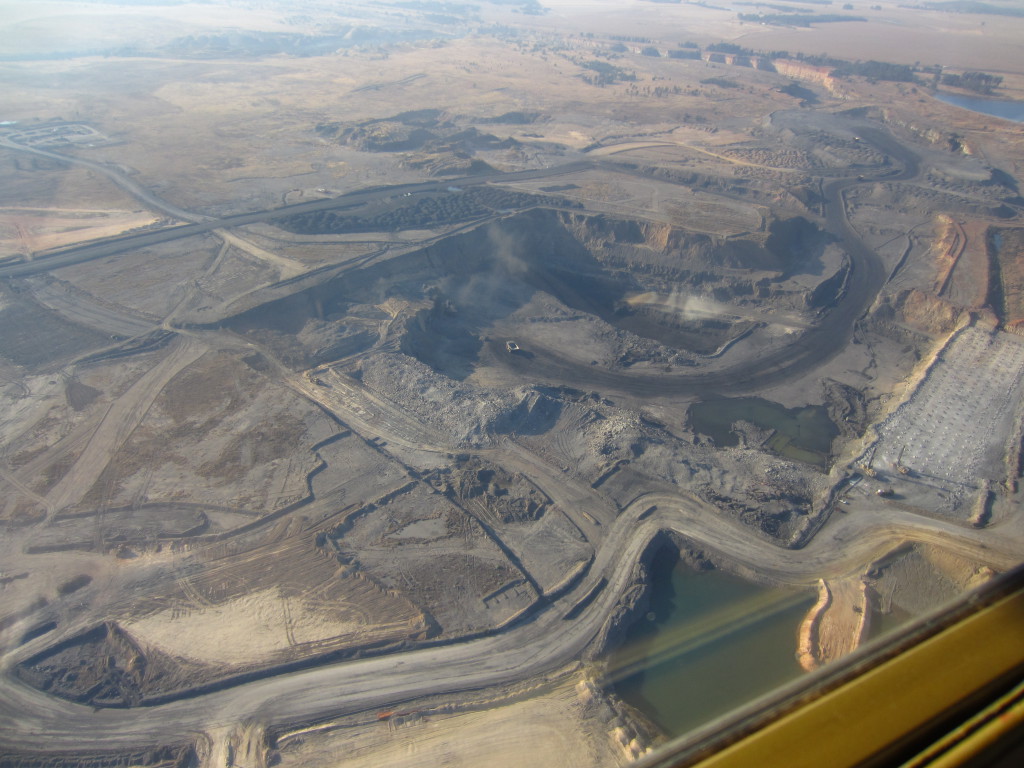
Over the past 18 months the #PowerTracker team has spent time on the ground in Mpumalanga, investigating and interrogating the unfolding renewables revolution in a province long synonymous with coal mining and power generation. The shift towards renewables in South Africa’s energy capital continues to gain momentum, but in order to understand the journey better #PowerTracker journalistic investigations and data need to incorporate other provinces.
This was one of the key messages that emerged during a webinar hosted by the Oxpeckers’ #PowerTracker team on September 3 2024. “Understanding the current state of the Just Energy Transition [JET] across South Africa is crucial, especially in terms of the perceptions and experiences of coal-dependent communities,” one of the attendees said.
The webinar brought together journalists, researchers and government authorities to share insights and answer the question: What’s happening in South Africa’s energy capital?

Steady increase
According to the pioneering #PowerTracker data-driven mapping tool, there has been a steady increase in the number of renewable projects being implemented in Mpumalanga, with a notable spike in 2023 and several coming online in 2024. Even more projects are expected next year.
Data from the projects mapped so far by #PowerTracker shows that more than 26,000MW of energy would be added to the national grid if all of these projects were to come online. Currently, approximately 42,000MW of the nation’s electricity is generated by coal-fired power stations. While coal will continue to provide the majority of the nation’s power, the share from renewables is expected to grow steadily.
About R140-billion is needed to decommission and repurpose all 12 coal-fired power stations that are owned by Eskom in the province. However, Eskom announced this year that further plans to decommission its Camden, Grootvlei and Hendrina power stations, which were due to be decommissioned in 2025, have been paused until 2030.
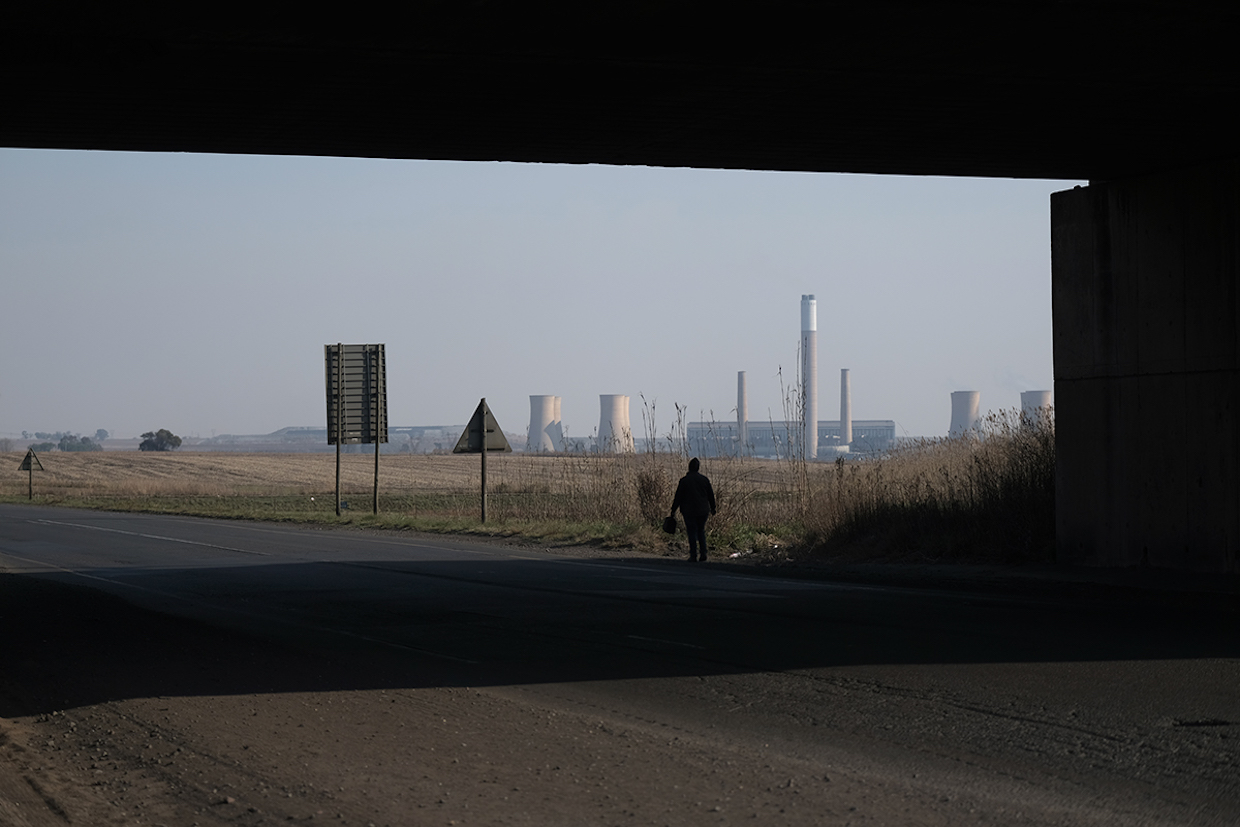
Tracking the transition: There is a continued need to monitor and track the shift to renewable energy, in Mpumalanga and beyond. Photo: Dianah Chiyangwa
Significant change
Having published close to 40 investigations on renewable energy across Sub-Saharan Africa over the past two years, we have reported evidence of significant change on the ground. A major focus this year has been investigating new green technologies, as well as any energy pathways that are being introduced as part of the JET.
Shortly after our April 2024 investigation into a carbon capture pilot project situated close to several coal mines and power stations, developers reached a milestone when the 1,800m drill was completed – a crucial component for the project’s development. The article sparked debate around whether carbon capture and storage is truly a green solution.
In July, we reported on an uptake in wind farms across Mpumalanga, including a R25-billion wind farm project by Seriti Green. Following our investigation, the first phase of the project was launched, the 155MW Ummbila Emoyeni facility.
This investigation and its follow-ups once again demonstrated the need for #PowerTracker, a “one-stop-shop” for information on renewables, to expand beyond the province. For us to be able to report on the full picture, we need to interrogate and update the available data in this fast-moving space.
The most recent impact for #PowerTracker was the September announcement of the European Union’s pledge to give South Africa two grants worth approximately $35-million to accelerate its green hydrogen (GH2) plans.
This came three months after our investigation into ambitious GH2 development plans – in particular, a project by Hydrogène De France, which predicts that their mega GH2 plant could mitigate up to half of Eskom’s load-shedding.
Another innovation was to investigate the integration of battery and energy storage solutions needed for renewable energy technologies. We found that although Mpumalanga has a wealth of critical minerals needed for green energy storage, there is a heavy focus on exporting these minerals, meaning that the province is currently seeing little to no benefits.
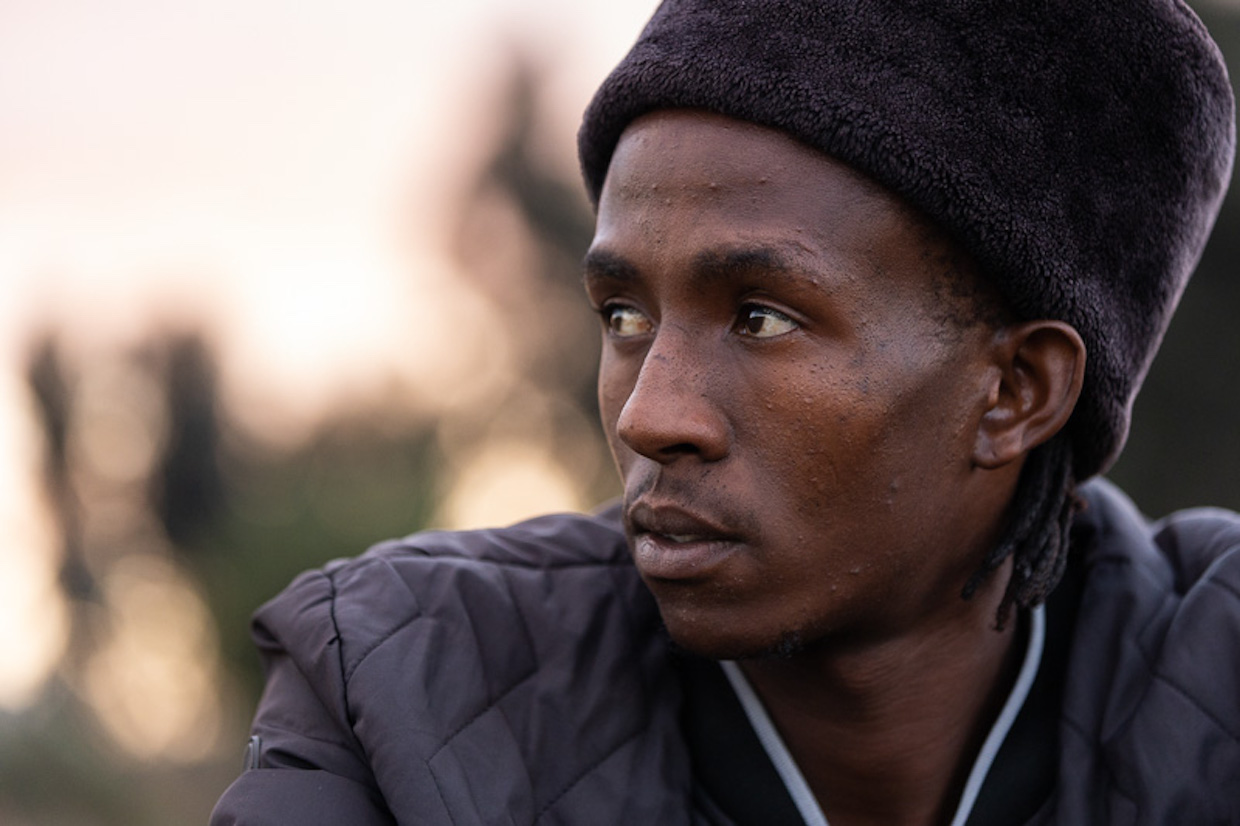
Job insecurity: Many Mpumalanga residents, who rely on coal for their livelihoods, say ‘All we know is that we are going to lose our jobs’. Pictured here is Middelburg resident Emanuel Marutle. Photo: Ashraf Hendricks
Human cost
We also investigated the human cost of the energy transition. A challenge identified by #PowerTracker journalists is the general lack of consultations with communities about the JET Implementation Plan.
“People haven’t seen consultations and that puts them in a situation to say, do we accept this energy transition or not?” said Thabo Molelekwa, an Oxpeckers associate journalist who has spent time with Mpumalanga communities throughout the past year and a half.
His investigations unravelled the complex social dynamics at play as communities grapple with the shiftaway from coal-dependent economies. “All of those people in the dark complain about not knowing what is going to happen with the transition because nobody has come to them and talked to them,” Molelekwa said at the webinar.
JET financing
The webinar took place just over two months before the 29th Conference of the Parties to the UN Framework Convention on Climate Change (COP29), which many are calling the “climate finance COP”.
Our webinar panellists included climate researcher Katrina Lehmann-Grube, of the Southern Centre for Inequality Studies at Wits University, and Neil Cole, the financing manager for the Presidency’s Project Management Unit. Their takes on climate finance contributions and needs, transparency, equality and access to both funds and information are available on our YouTube recording of the webinar here.
One of the #PowerTracker project’s core mandates is to track the flow of money in the JET. From early 2023, we have offered regular updates of the original $8.5-billion that was pledged at COP26 and found that by September last year, South Africa had received less than 1% of the total amount needed for the energy transition.
Our exposé about how JET funding is being undermined by indebted municipalities in Mpumalanga saw multiple stakeholders convening in an attempt to overcome the hurdles in September 2024 (Financing municipal progress for Mpumalanga’s energy transition).
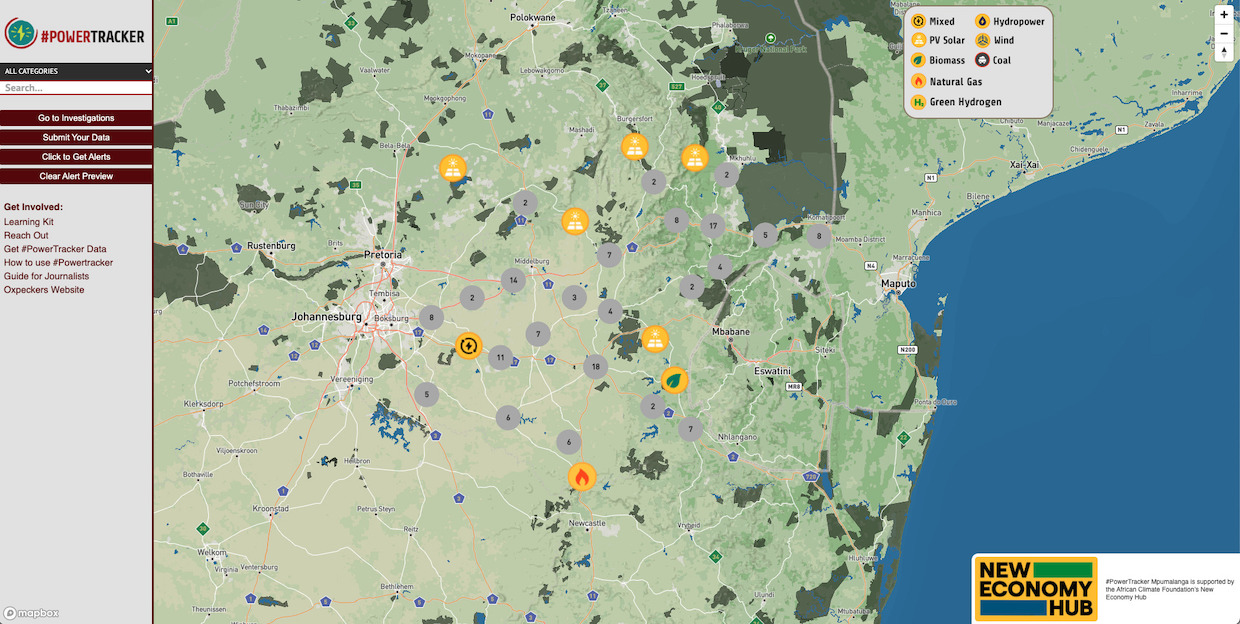
National growth: #PowerTracker journalists will forge ahead with the expansion of the platform, incorporating data from other provinces across South Africa. Screenshot provided
Looking to the future
The webinar highlighted the critical role of investigative journalism in navigating the complexities of the energy transition. By combining data analysis, mapping technologies and on-the-ground reporting, #PowerTracker is shedding light on both the progress and the pitfalls of South Africa’s JET journey.
“The tracker could be an invaluable resource for staying updated on developments and understanding the realities faced by communities on the ground,” one of the attendees, a community activist, said. “Engaging with it more could provide crucial insights that can be shared with the communities we support.”
Looking ahead, the team plans to expand its coverage, delving deeper into the socio-economic impacts of the transition and exploring innovative renewable energy initiatives across the country. Watch this space for nation-wide information on the renewables revolution that will continue to shape our understanding of what a just transition looks like in practice.
Authors: Andiswa Matikinca and Roxanne Joseph
The Oxpeckers #PowerTracker Mpumalanga project is supported by the African Climate Foundation’s New Economy Hub.
This article was first published by Oxpeckers and is republished under the Creative Commons Attribution-ShareAlike 4.0 International License. Link to the original article HERE
Disclaimer: The articles and videos expressed in this publication are those of the authors. They do not purport to reflect the opinions or views of Green Building Africa, our staff or our advertisers. The designations employed in this publication and the presentation of material therein do not imply the expression of any opinion whatsoever on the part Green Building Africa concerning the legal status of any country, area or territory or of its authorities.