- ProMarks, an international engineering company specialized in the energy sector and Trafigura, a market leader in the global commodities industry, have today signed a Memorandum of Understanding (MOU) with the Government of Angola to conduct a technical and economic viability study and to develop a Public Private Partnership model for a major regional power transmission and supply project.
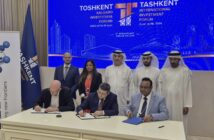
The signing ceremony was held in Luanda last week in the presence of government representatives from Angola, alongside other diplomatic guests and representatives from the private sector.
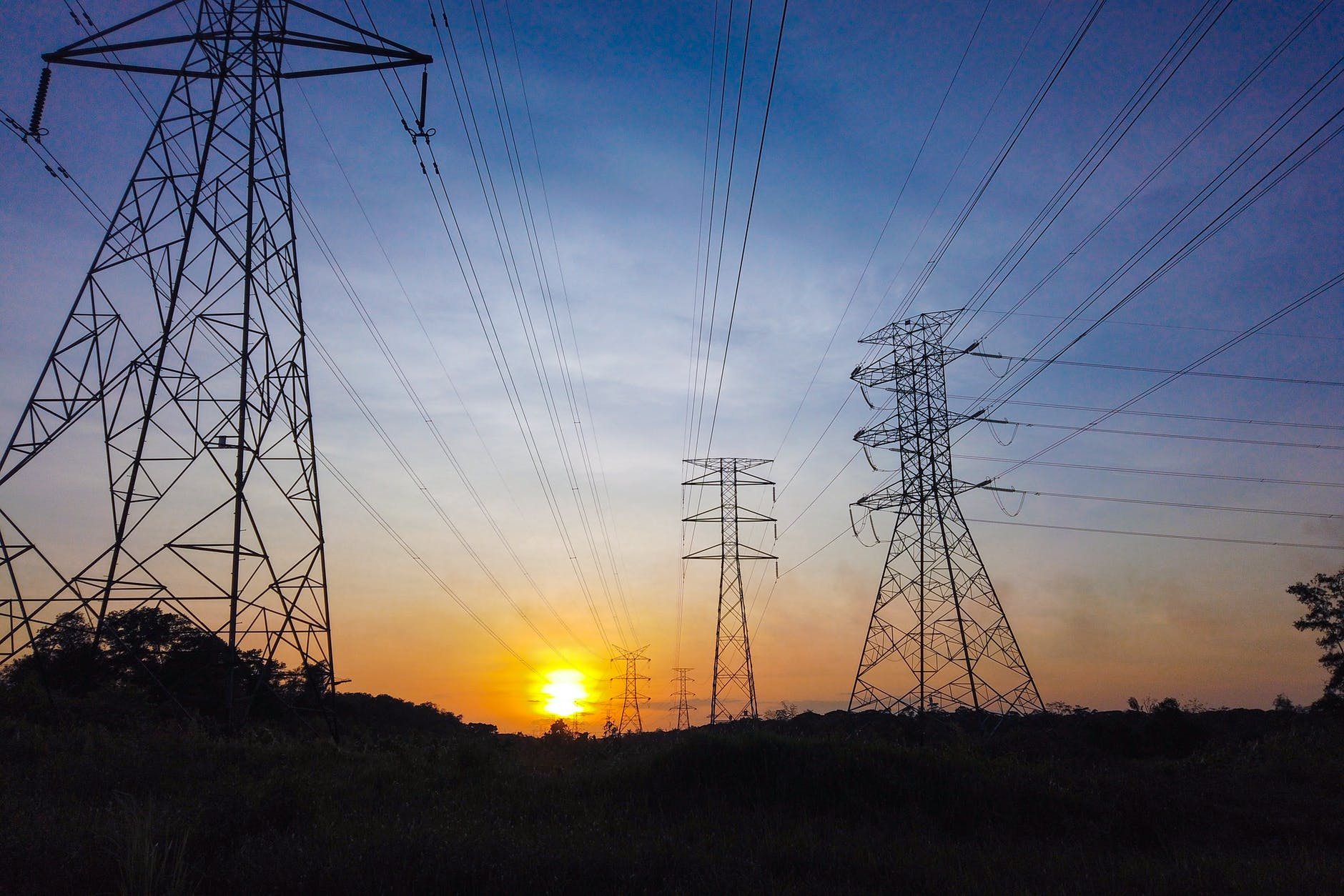
The project under consideration is to build and operate a high-voltage electricity “interconnector” (a HVDC transmission line) to take surplus green electricity produced by hydro-electric dams located in the north of Angola to the DRC Copperbelt and Zambia, integrating with the Southern Africa Power Pool (SAPP).
The renewable electricity would be purchased from Angola’s National Electricity Transmission Network, with the energy sold to customers such as global mining companies in the Copperbelt and throughout countries in the SADC.
The Minister of Energy and Water for Angola emphasized the importance of this project for the regional integration of Southern Africa and for the economic and social development of the countries involved. “Angola, fortunately, has a surplus of energy that it can make available to SADC countries, namely Zambia and the Democratic Republic of Congo. The private promoters of the project will ensure its materialisation and enable this interconnection, so that together we can contribute unequivocally to the creation of wealth and growth of our economies, through the commercialization of clean energy. Furthermore, in this way we will be providing a cheaper and non-polluting source of energy, reducing emissions into the atmosphere and defending the sustainability of the planet,” said João Baptista Borges.
The joint venture that will be formed between ProMarks and Trafigura would develop, finance, construct and operate the electricity “interconnector”. The project is intended to be financed through a combination of equity capital and third-party debt. Planning, approvals and construction would take around four years after the final investment decision is made.
Trafigura is interested in investing in and co-developing the project which would be run as a public-private partnership on a long-term basis. As part of the consortium for the Lobito Atlantic Railway that is already helping to bring vital goods and resources into the region and supporting business development and commercial activity along the route, the company is well placed to work with its existing customer base to conclude long term energy supply agreements.
The three parties now intend to complete viability studies as set out in the MOU to define the steps for developing the project.
Author: Bryan Groenendaal