- Global energy investment is projected to reach US$3.4 trillion in 2026 despite mounting geopolitical uncertainty.
- Electricity infrastructure, renewables and nuclear continue to dominate spending as countries seek greater energy security.
- Oil investment is expected to decline for a third consecutive year while gas and coal spending rises.
The escalating conflict in the Middle East and disruptions to shipping flows through the Strait of Hormuz are forcing governments and energy companies to rethink long term investment strategies, according to the International Energy Agency’s latest World Energy Investment report.
The International Energy Agency (IEA) warns that the current crisis is rapidly reshaping global energy security priorities, with countries accelerating efforts to diversify energy sources, strengthen domestic supply chains and reduce reliance on vulnerable trade routes. The report describes the present situation as the second major global energy crisis in five years following the disruption caused by Russia’s invasion of Ukraine in 2022.
IEA Executive Director Fatih Birol said the scale of the crisis could have consequences similar to the oil shocks of the 1970s, triggering structural changes across global energy markets.
Birol said both producer and consumer nations are intensifying efforts to diversify trade routes and energy supplies through new pipelines, expanded infrastructure and greater use of domestic energy resources. These include renewables, nuclear, natural gas and, in some regions, coal, alongside broader investment in electricity systems, electrification and energy efficiency.
Global energy investment is expected to reach US$3.4 trillion in 2026, representing a modest increase from the previous year. Around US$2.2 trillion is forecast to be directed toward grids, storage, low emissions fuels, nuclear, renewables, efficiency and electrification, while oil, gas and coal investment is projected to total approximately US$1.2 trillion.
Despite elevated crude oil prices, upstream oil investment is expected to fall below US$500 billion in 2026, marking a third consecutive annual decline. The IEA said uncertainty around the duration of the current price spike, long project development timelines, supply chain challenges and constrained offshore rig availability are limiting spending growth outside the Middle East.
In contrast, natural gas investment is forecast to climb to US$330 billion, the highest level in a decade, supported by major LNG export developments in the United States and Qatar.
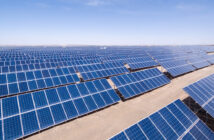
Renewable energy continues to attract significant capital despite slower annual growth rates following several years of rapid expansion. Investment in renewable power projects is expected to reach US$665 billion in 2026, including US$365 billion for solar alone. Low emissions technologies are projected to account for more than 70% of global power generation investment.
Nuclear energy investment is also continuing its recovery, exceeding US$80 billion annually, with almost 80 GW of new nuclear capacity currently under construction across 15 countries.
Coal investment is projected to rise to US$180 billion in 2026, the highest level since 2012, driven largely by China, which accounts for nearly 70% of global coal supply spending. The report noted that several Asian economies impacted by the current crisis may extend the operating life of existing coal fired power stations to strengthen energy security.
Electricity related investment remains the dominant trend across the global energy sector. Spending on electricity supply and infrastructure is expected to approach US$1.6 trillion in 2026 and rise to nearly US$2 trillion when end use electrification is included.
Grid investment alone is forecast to reach almost US$550 billion, representing growth of nearly 20% year on year, while battery storage investment is expected to exceed US$100 billion.
The rapid expansion of data centres and artificial intelligence is also emerging as a major driver of electricity demand and energy infrastructure investment, particularly in the United States. Orders for new gas fired power plants reached a 25 year high in 2025, partly driven by rising power requirements from data centres.
The IEA said strong turbine demand in the United States and the Middle East is beginning to constrain equipment availability for other global markets, potentially delaying new power generation projects elsewhere.
The report also warned that the conflict is increasing financing risks for future energy developments. Volatility in global financial markets is slowing investment decisions and raising long term borrowing costs, particularly for capital intensive projects in emerging and developing economies where financing conditions are already more challenging.
At the same time, governments are placing renewed emphasis on energy efficiency. The IEA estimates that around US$350 billion is invested globally in efficiency improvements each year, with at least 20 countries already introducing new policies in response to the current crisis.
Explore the full report HERE
Author: Bryan Groenendaal