- Japan’s MOE provides grant support of up to 2 billion yen (US$13.5 million) for the Gabès solar project.
- The 130 MW plant will sell power to Tunisia’s national utility, STEG, and feature battery-ready design for future storage integration.
- The project aligns with Tunisia’s target of 35% renewables in the electricity mix by 2030.
Japan’s Ministry of the Environment has selected a 130 MW photovoltaic solar project in the Gabès region of southeastern Tunisia for financial backing under the Joint Credit Mechanism (JCM). The initiative is a collaboration between Japanese conglomerate Marubeni Corporation and French renewable energy developer Voltalia.
The electricity generated by the plant will be sold to the Tunisian Company of Electricity and Gas (STEG). Japan will provide a grant of up to 2 billion yen, equivalent to US$13.5 million or 37 million Tunisian dinars, to cover part of the initial investment costs.
The JCM is a bilateral program designed to accelerate the deployment of advanced low-carbon technologies. In exchange for financial support, Japan receives international carbon credits to contribute toward its climate targets under Article 6 of the Paris Agreement.
For Tunisia, the project supports the country’s objective of raising the share of renewables in its electricity mix to 35% by 2030. Renewables currently account for only 3.8% of national electricity production. This project is the fourth solar initiative in Tunisia backed by the JCM, following earlier developments in Sidi Bouzid and Tozeur.
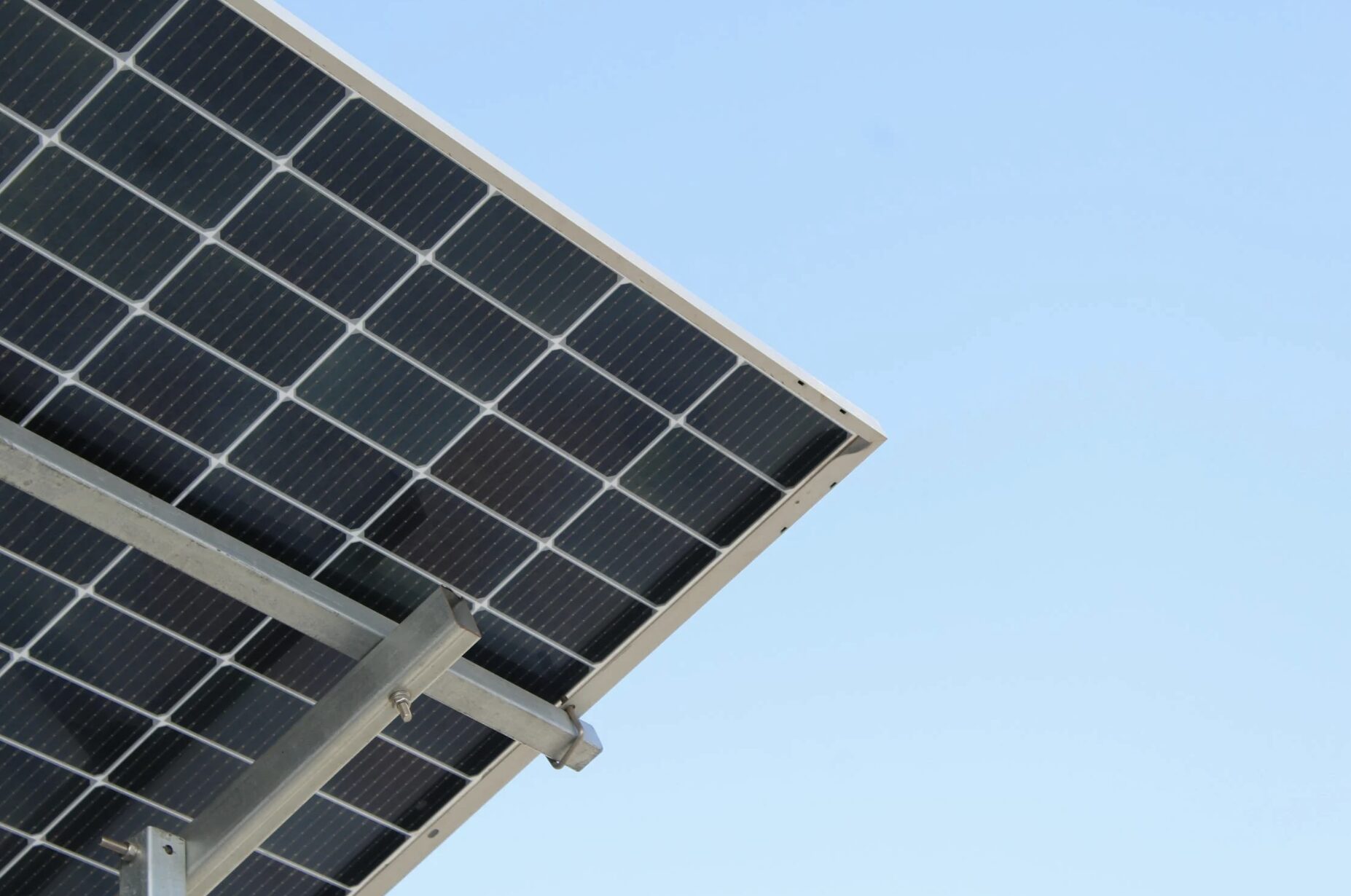
Technically, the plant will use high-efficiency bifacial modules and is designed with provisions to integrate Battery Energy Storage Systems in the future, allowing for greater flexibility and grid stability.
Author: Bryan Groenendaal